Pest Control for Food Storage Warehouses in Kuwait
Food storage warehouses require a different pest control approach from ordinary storage facilities because the problem may begin inside a bag of grains, a flour package, or a shipment that arrives carrying pest activity that is not clearly visible from the outside. For that reason, pest control for food storage warehouses in Kuwait should not depend only on spraying floors and aisles. It should begin by inspecting the goods themselves, receiving areas, package condition, stock arrangement, and the spaces beneath pallets and between shelves. Some stored-product pests can remain inside dry food products for a period before being noticed, so early detection, isolation of suspicious shipments, and traceability are more important than indiscriminate pesticide use around unaffected food products.
Pest Control for Food Storage Warehouses in Kuwait
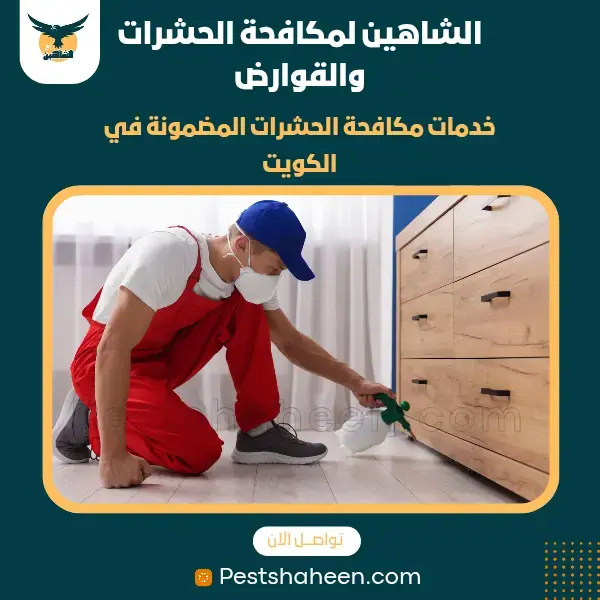
Pest control for food storage warehouses in Kuwait begins with understanding what is being stored and which products are more vulnerable to infestation. Rice, flour, grains, pulses, nuts, dried fruits, and other dry products should not all be handled in exactly the same way because an insect developing inside a stored product is different from a cockroach moving around a doorway or utility area. For that reason, the first decision should be to identify the type and location of activity before any treatment is carried out.
One of the most important areas to inspect is receiving. A shipment enters the warehouse in bags, cartons, or other packaging, and the problem may already be limited to a small number of units before they are mixed with existing stock. If holes, insects, or unusual signs appear around particular packages, it is better to isolate the suspicious group and review shipment information instead of distributing it across the shelves and then trying to trace the source later.
Stock arrangement also plays a major role. When bags and packages are stacked in a way that prevents access to walls and floors, detecting pest activity becomes more difficult. Clear aisles and sufficient space for inspection help identify residues, insects, or damaged packages before the problem spreads.
Pesticides should also never be applied directly over food products or packaging without confirming that the method is permitted for that use. Pest control in food facilities must protect stored products from contamination and separate food from chemicals used during control operations.
In a practical situation, a warehouse manager may notice small insects around three bags from the same shipment while the rest of the stock shows no signs. The more precise response would be to isolate that group, inspect nearby bags, and review the receiving date instead of spraying the entire warehouse as though every section were infested.
• When insects appear around a specific group of bags the shipment should be isolated and nearby packages and receiving dates reviewed before treatment is expanded so the entire warehouse is not treated because of an infestation that may be limited to one batch
• Arranging products on pallets and shelves in a way that allows access to floors and walls and lower storage spaces makes early pest detection easier and prevents overcrowding from hiding insects or damaged packages for long periods
• Any pest control product used inside a food warehouse must be applied in a way that protects food and packaging from unintended exposure and follows the product instructions instead of being sprayed randomly over stored goods
Pest Control Company for Food Warehouses
Choosing a pest control company for food warehouses requires more attention to the inspection process than to the idea of spraying itself. A suitable company should not simply ask about warehouse size and immediately recommend comprehensive spraying. It should first understand the types of food stored, the packaging methods, the number of storage areas, shipment schedules, where insects have appeared, and whether the report is connected to one product or several locations.
It is important for the technician to distinguish between a stored-product pest developing inside a food item and an insect that entered from outside. If insects appear inside flour bags, for example, the treatment plan needs to include evaluation of the goods, shipment, and surrounding stock. If cockroaches appear around a utility room, the inspection should instead focus on moisture, openings, and surrounding areas rather than assuming the flour itself is the source.
The company should also understand that food stock is sensitive to unorganized pesticide use. Chemicals and pest control methods inside food facilities require procedures that prevent contamination of products or storage surfaces. A formal pest management and routine monitoring program is an important part of managing food warehouses.
For example, a company may operate a large warehouse with five aisles while activity appears only at the end of one aisle near returned or damaged goods. A good pest control company would not automatically assume the entire warehouse is infested. It would inspect that area, review the source of the returned goods, and assess nearby locations because damaged or returned products may require particular attention during inspection.
Another important point to ask about before agreeing to service is documentation. It is better to have records showing the location of activity, pest type, action taken, and recommendations required from warehouse management so the situation can be compared during future visits rather than relying only on a general impression.
You can contact Shaheen Pest Control to inquire about services for food storage warehouses in Kuwait and explain the type of stock, storage method, and where the problem has appeared before defining the appropriate service scope.
• A suitable food warehouse pest control company should distinguish between an infestation originating inside a stored product and pest activity entering through doors or utility areas because accurate diagnosis completely changes where inspection and treatment should focus
• Before treatment begins it is important to explain the types of food products and storage areas and any suspicious shipments so one general procedure is not applied to stock that has different levels and types of risk
• A report that records the activity location and pest species and treatment and required recommendation gives warehouse management an opportunity to monitor the result and identify whether the problem returns to the same point instead of relying on a spraying visit without clear data
Grain Weevil Control in Food Warehouses
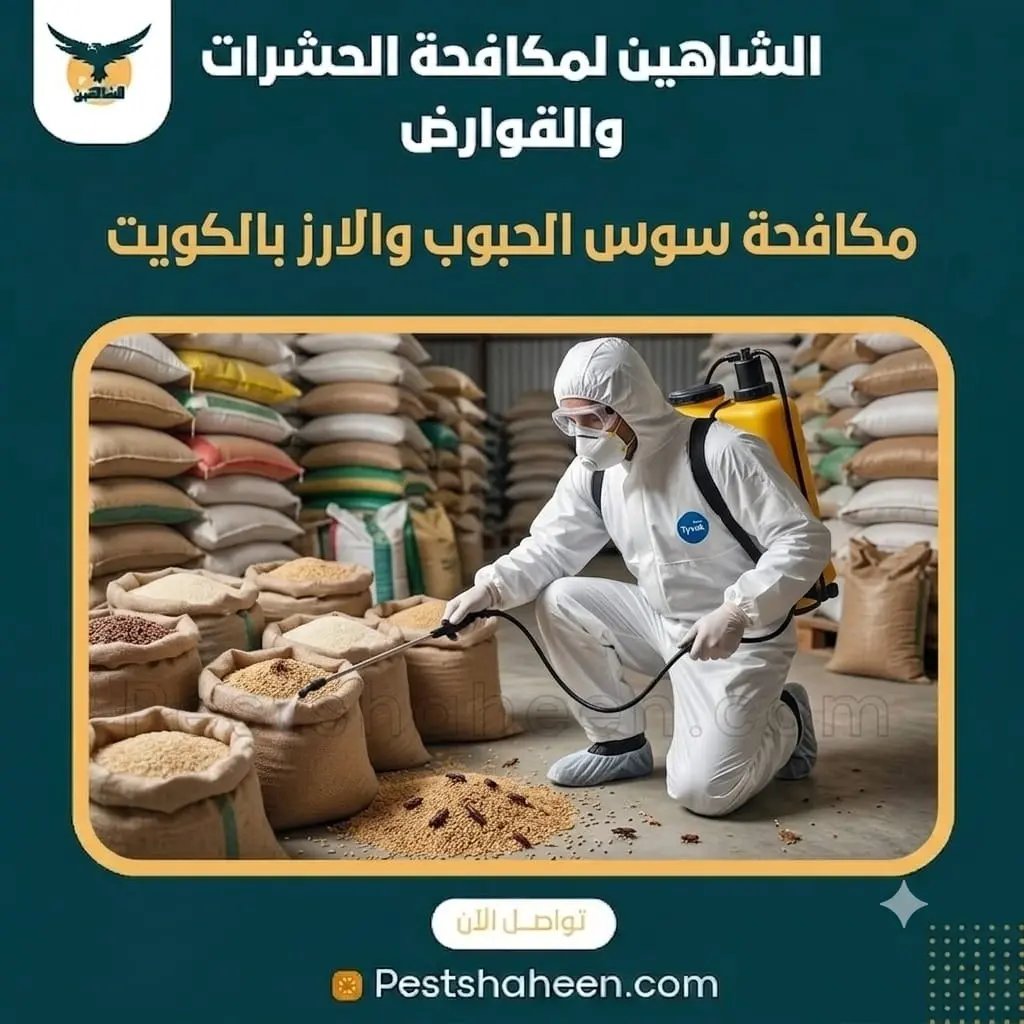
Grain weevil control in food warehouses should begin by confirming the insect species because the word "weevil" is often used generally to describe several different small insects found in grains and dry products. Seeing an insect inside a bag of rice or grains is therefore not enough by itself to identify the species or choose the correct treatment.
If insects are found inside a package or bag, the important step is not simply to remove the insects that are visible. The suspicious product should be isolated, packages from the same shipment should be examined, and nearby stock should be reviewed. Some stored-product pests are directly associated with the food itself and may have been present before the shipment reached the warehouse or may become visible later when storage conditions support their development.
One common mistake is opening an infested bag in the middle of the warehouse or sifting the grain and immediately returning it to use as though removing visible insects is sufficient. Activity inside the product itself requires the condition of the food to be evaluated according to the facility's food safety procedures, and the product should not automatically be mixed with unaffected materials.
Shipment data is also extremely important. Recording the supplier, receiving date, and batch or lot number when available helps trace the problem and determine whether it is connected to a specific group instead of isolating larger quantities than necessary.
In a realistic situation, activity may appear inside two bags from a group received on the same day. Instead of simply spraying the warehouse floor, distribution of the same batch should be paused, samples from it should be inspected, and the storage area reviewed. If other shipments remain unaffected, that information helps narrow the problem instead of treating all grain stock as infested.
• Finding insects inside grains requires isolation of the package and review of products from the same shipment instead of simply removing visible insects because the activity source may be inside the food rather than on the warehouse floor
• Recording the supplier and receiving date and batch number when available helps trace cases and define the inspection scope more accurately instead of isolating large amounts of stock without a clear connection between products
• Grains suspected of infestation should not be mixed with unaffected stock or automatically returned to use after sifting and should instead be evaluated according to the facility's established food safety procedures before an appropriate decision is made
Pest Control in Rice and Flour Warehouses
Pest control in rice and flour warehouses requires careful stock monitoring because the infestation may sometimes be associated with the product itself rather than the warehouse generally. Rice and flour are often stored in large quantities inside bags stacked on pallets, which can make inspection of rear or lower packages difficult when the warehouse is overcrowded and does not allow access to all sides.
If insects appear around rice bags, for example, the shipment and receiving date should be identified, and nearby bags should be inspected before they are moved. If activity appears around spilled flour beneath one pallet, the area should be cleaned and the packages examined to determine whether the source is only external residue or whether some bags themselves are affected.
One mistake is leaving spilled flour on the floor for long periods because small quantities gradually accumulate and make the area more difficult to inspect. Torn or poorly sealed bags should also be isolated and reviewed instead of simply being patched and immediately returned to unaffected stock.
Stock rotation plays a major role as well. Using older shipments first according to the facility's inventory system reduces the chance of bags remaining untouched for long periods without inspection. The clearer the receiving records are, the easier it becomes to identify whether complaints are associated with a particular date or a group from one supplier.
In a practical example, an employee may notice small insects beneath an older pallet of rice positioned behind newer shipments. Instead of spraying the entire area, the group should be removed in an organized manner, the bags inspected individually, and the floor and wall reviewed before new stock is placed there.
• Storing rice and flour bags in a way that allows access to the sides and lower areas helps detect infestation earlier and prevents older packages from remaining hidden behind newer shipments for long periods
• Spilled flour and torn bags require immediate attention because leaving them in the warehouse makes inspection more difficult and creates an additional source that may hide signs useful for locating the activity
• Connecting each shipment with its receiving date and supplier and storage location helps management define the scope of the problem accurately when insects appear in one group instead of suspecting all stock
Stored Food Beetle Control
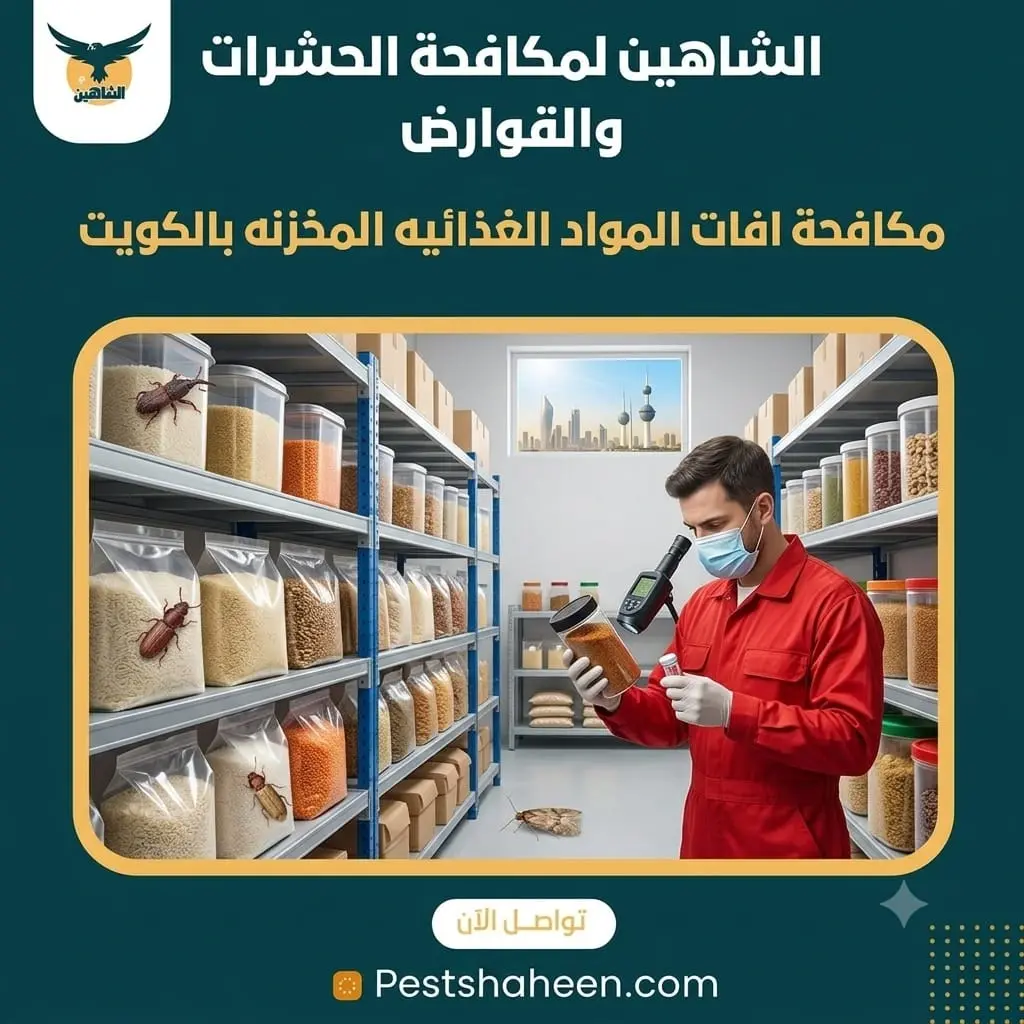
Stored food beetle control requires first identifying where the insect is present and whether activity is inside a package or around it. The term beetles covers different species, some of which are associated with stored dry foods while others may appear in warehouses from different sources. Accurate identification is therefore important before deciding to spray or discard a quantity of stock.
If small beetles appear around a particular product such as grains, nuts, or other dry materials, the package should be examined externally and internally when appropriate, and products from the same shipment should be reviewed. Finding insects inside the package points more strongly toward the stock itself, while activity limited to a door or wall may require inspection of another source.
Suspicious packages should not be opened in the main storage area because this may spread insects or residues onto nearby surfaces. It is better to move them through an organized isolation procedure to a suitable inspection area if the facility setup allows.
Materials stored for long periods should also be reviewed carefully. Some infestations become visible only after time in storage, so slow-moving stock requires a different level of monitoring from products that enter and leave quickly.
Cleaning after affected products are removed is important because residues of grains and powders inside shelving corners or beneath pallets may hide insects or stages of their life cycle. Simply removing the visibly affected package may not be enough if the area is not cleaned and inspected.
Pesticides should not be used directly inside food or on open packages unless the product is specifically intended and permitted for that use according to its instructions and the facility's procedures. Protecting food from unnecessary exposure should remain the priority.
• Beetles found inside a food package require review of the batch and surrounding products because the problem may be connected to the stored food itself rather than the warehouse floor or walls
• Opening suspicious packages inside the main storage area may increase pest spread so organized isolation and inspection is preferable to emptying the product beside unaffected stock
• Cleaning shelves and areas beneath storage after affected packages are removed is necessary so small residues do not remain and conceal new activity or make it difficult to evaluate the treatment result
Pest Control in Dry Food Warehouses
Pest control in dry food warehouses requires a system connecting receiving, storage, stock rotation, and inspection because dry products may remain inside warehouses longer than fresh foods. The longer products stay without movement, the more important organized monitoring becomes.
A warehouse may contain rice, flour, sugar, pulses, nuts, spices, and packaged foods, and each product group may use different packaging. Inspection should therefore not be identical for all materials. Large bags require attention to edges and lower sections, while cartons require inspection of package condition and spaces between rows.
Older stock that remains at the back because new deliveries are placed in front also deserves attention. If the arrangement does not support using older stock first, some packages may remain untouched for months without anyone noticing changes in their condition.
Maintaining a dry storage environment suitable for the products is also important. Any leak or unusual moisture needs prompt attention because it may damage packaging and food materials and make inspection and cleaning more difficult.
Rather than depending on a spraying visit every so often, management should maintain an observation record showing which shelf or aisle had activity, the type of food present, and the shipment date. This information helps determine whether an infestation is connected to one product, one area, or a particular storage pattern.
A realistic example would be activity appearing repeatedly in slow-moving stock at the back of the warehouse. In that case, improving stock rotation and access to that area may be just as important as treatment itself.
• Dry food warehouses need a clear stock rotation system so older shipments do not remain behind newer ones without movement or inspection for long periods that make early infestation more difficult to detect
• Differences in packaging for rice and flour and sugar and pulses mean inspection should match the type of product and how it is stored instead of relying only on a general look through the aisles
• Recording the aisle and shelf and product type and shipment date whenever activity is found helps identify recurring patterns and provides management with better information for deciding whether to isolate stock or expand inspection
Pest Inspection in Grain Stock
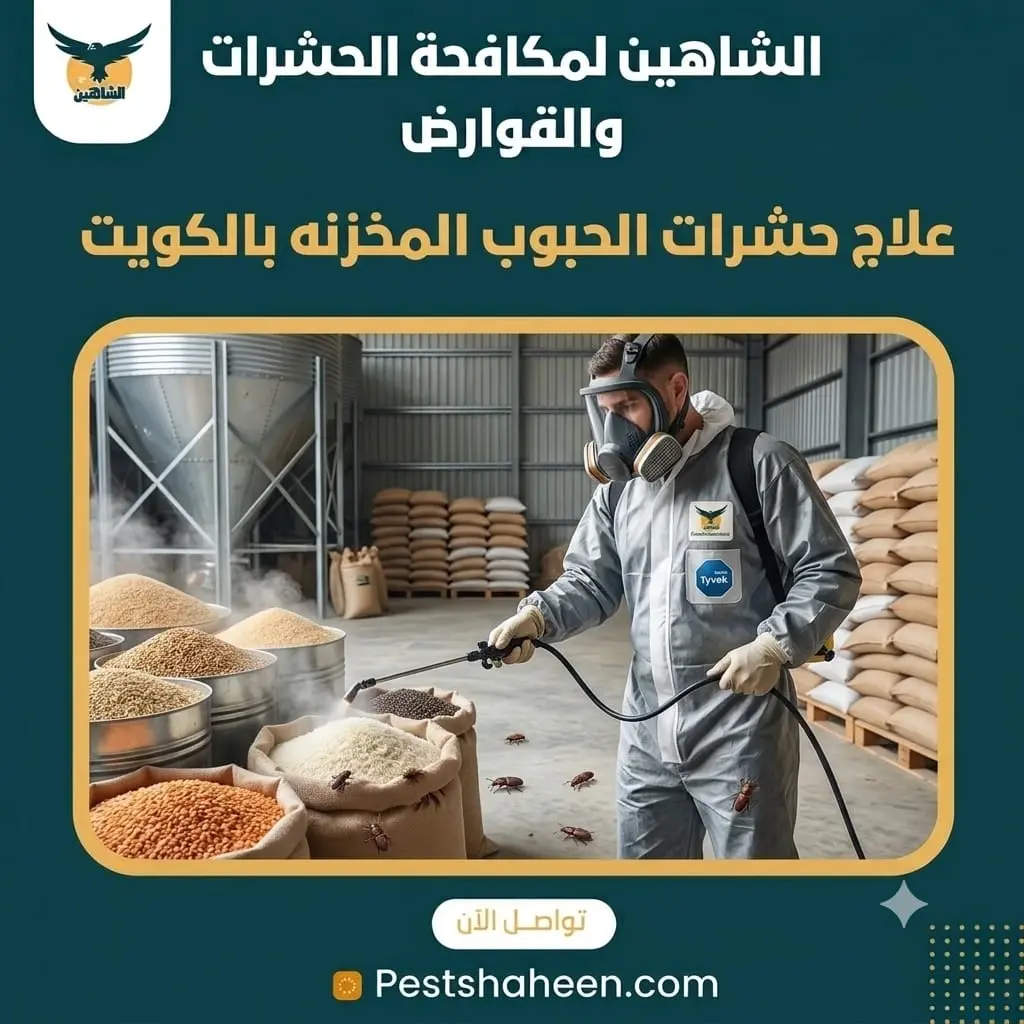
Pest inspection in grain stock needs to follow organized steps because opening every bag in the warehouse is not practical and may cause unnecessary damage or mixing. Inspection should instead be based on indicators such as the shipment, storage location, package condition, visible insects, holes, or unusual residues.
Inspection begins with bags around which the problem was observed and then gradually expands to nearby materials if the findings justify it. The package surface, closure areas, floor beneath it, and spaces between pallets should all be reviewed.
If insects are found inside a particular bag, that bag should be isolated and other bags from the same batch reviewed rather than mixing it with the stock or emptying it into a shared container. This approach keeps the boundaries of the problem clear.
It is also important to distinguish an old dead insect from continuing activity. Recent signs should therefore be sought and compared with earlier inspection records when they are available.
Supplier and shipment information can also be extremely useful. If the same problem appears more than once in closely related deliveries from the same source, that information deserves to be recorded and reviewed as part of receiving procedures.
In larger warehouses, samples from particular shipments may be selected for deeper inspection based on risk factors instead of opening the entire quantity. The goal is to use information to locate the problem without damaging stock or disrupting operations.
• Grain inspection should begin with shipments and locations showing actual signs and expand according to the findings so large amounts of stock are not opened without a clear reason
• Any bag containing insects should be isolated from the rest of the batch during evaluation so suspicious material does not mix with unaffected stock and the infestation scope remains clear
• Keeping supplier information and receiving dates and batch numbers when available helps connect recurring cases and ensures inspection decisions are based on actual records rather than assumptions
Pest Control in Provision Storage Warehouses
Pest control in provision storage warehouses requires attention to product variety because one warehouse may contain rice, sugar, flour, pulses, canned goods, and packaged products at the same time. Each category is stored differently, which means an infestation will not necessarily affect the entire warehouse in the same way.
If insects appear around one type of dry product, attention should first focus on that product and nearby shipments. All product categories should not be moved or sprayed simply because one limited group has a problem.
Receiving areas are especially important because provisions often arrive in large quantities and sometimes from several suppliers. Having a procedure for checking packaging condition and damaged units before they enter storage helps identify some problems before the goods reach the shelves.
Product arrangement should also allow access rather than only maximize storage capacity. An overcrowded warehouse makes it more difficult to see walls and floors or notice activity between rows.
One mistake is keeping returned or damaged goods among ordinary stock until a decision is made about them. It is better to place them in a separate identified area because open or damaged packages require a different level of monitoring.
If insects appear near cans or fully sealed products, it should not automatically be assumed that the food inside the package is the source. The outer carton, floor, and surrounding area should be inspected before the product itself is judged.
• Product variety inside one provision warehouse requires clear stock separation so any activity can be connected to the affected product or shipment instead of treating all goods as though they have the same infestation risk
• Inspecting damaged packages during receiving helps prevent a suspicious shipment from entering deep storage areas and reduces the need to re-sort large quantities after distribution
• Returned or open or damaged products should have a separate area away from unaffected stock so they can be assessed without increasing the chance of mixing a problem with materials ready for distribution
Food Warehouse Pest Control Prices

The price of pest control for food storage warehouses varies according to warehouse size, stock type, the number of storage areas, pest species, infestation extent, and the number of visits required. There is no single figure that applies to every warehouse because a small facility with a limited infestation inside one shipment is different from a large warehouse with several sections and repeated activity in more than one area.
The nature of the problem also changes the cost. Treating a pest limited to part of a grain stock is different from a monitoring program covering cockroaches, rodents, stored-product pests, receiving areas, and loading zones.
The quantity and organization of stock also play a role. A warehouse with clear aisles is easier to inspect and access than an overcrowded facility where some shipments must be moved or rearranged before the area can be assessed.
If the service includes follow-up visits, reports, and routine inspection, its scope is different from a one-time visit for a specific case. For that reason, it is better to ask exactly what is included in the quotation instead of focusing only on the final amount.
Before requesting a price, it is useful to explain the warehouse size, types of food stored, number of shelves or aisles, where activity appeared, and whether the problem is connected to a particular shipment. This information allows the assessment to reflect the actual situation more closely.
A fixed price should not be promised without knowing the site because the cost depends on the actual scope of work and the procedures needed to protect food products during treatment.
• Pest control pricing is affected by warehouse size and stock type and infestation scope and number of visits so evaluating the actual situation is more useful than depending on a general price that does not reflect the required work
• An organized warehouse is easier to inspect and access while overcrowding may increase preparation and inspection time which becomes a practical factor in defining the service scope
• Comparing quotations should include inspection and follow-up and reports and covered areas and stock protection requirements so a cheaper offer is not selected when it excludes important steps
Pest Control in Food Packaging Storage Areas
Pest control in food packaging storage areas requires a different focus because the package itself may be intact while insects are present on external cartons, pallets, or spaces between rows. In other situations, the sign may be inside the package, which completely changes the response.
If cockroaches or other insects appear around sealed cartons, the floor, wall, carton edges, and loading areas should be inspected before assuming that the product itself has been affected. If an insect is found inside a sealed food package or if the packaging is damaged, the product should be isolated and the rest of the batch evaluated according to the facility's quality and food safety procedures.
Packaging warehouses should also be arranged so leaks or damage can be noticed quickly. Wet or torn cardboard should not remain among ordinary stock without review because damaged packaging makes inspection more difficult and may expose products to unsuitable storage conditions.
Food packages themselves should not be sprayed indiscriminately. If treatment is required around the storage area, application points and methods should be selected in a way that protects food products and surfaces from unintended exposure.
It is useful to record activity by aisle or group together with the shipment date. If the problem repeatedly occurs in the same storage location even when products change, the cause is more likely to be associated with that area. If it follows one particular shipment, the information directs inspection toward the incoming goods.
After treatment, the area should be cleaned and packages rearranged in a way that makes walls and floors easier to monitor instead of rebuilding the same overcrowded arrangement that concealed the problem originally.
• Finding insects on outer cartons does not automatically mean the food inside the package is infested and the surrounding storage area and packaging condition should be inspected before a decision is made about the product
• Damaged or wet packages should be isolated and evaluated because they differ from unaffected stock and should not simply be returned to the row after their outer surface is cleaned
• Recording shipment location and date helps distinguish between a problem moving with one product and a problem associated with the storage area itself and makes follow-up more accurate
Conclusion
Pest control for food storage warehouses in Kuwait requires a plan that begins with the stock itself before spraying is considered. Grains, flour, rice, and other dry products may be affected by pests associated with the shipment or storage conditions, which makes package inspection, isolation of suspicious products, stock rotation, and cleaning beneath shelving essential steps.
The major difference between a food warehouse and other storage facilities is that every treatment must protect food from contamination and avoid indiscriminate pesticide application over products or packaging. The clearer the stock arrangement and the more accurate shipment records are, the easier it becomes to identify the source of an infestation and limit its scope.
You can contact Shaheen Pest Control to inquire about services for food storage warehouses in Kuwait and explain the type of stock, warehouse size, and where insects have appeared. The strongest plan is one that identifies the source, protects unaffected food products, and follows up on results instead of treating the entire warehouse as though every section has the same level of infestation.
Frequently Asked Questions
Does finding insects in one bag of grain mean the entire warehouse is infested?
No. The problem may be connected to a particular shipment or group. The package should be isolated and the rest of the batch and nearby stock inspected before the infestation is generalized to the whole warehouse.
Can rice and flour bags be sprayed directly with pesticide?
Pesticides should not be applied randomly over food or packaging. Any treatment should follow the product instructions and the nature of the storage area while protecting food materials from unintended exposure.
Is sifting grain affected by weevils enough to make it usable?
No. Finding insects inside grain requires the material to be isolated and evaluated according to the facility's food safety procedures instead of simply removing visible insects and returning it to stock.
How can an infestation be discovered before it spreads?
Through inspection of shipments during receiving, review of damaged packaging, organized aisles, stock rotation, monitoring of older products, and recording any sign appearing on or around stored bags.
Does older stock require more inspection?
Yes. Products that remain undisturbed for long periods receive less daily observation and may therefore require additional monitoring so an infestation does not remain hidden behind newer shipments.
What should we do if insects appear after a new shipment arrives?
The suspicious shipment should be isolated, its packages inspected, the supplier and receiving date recorded, and the storage area reviewed before the shipment is distributed through the rest of the warehouse.
Are all small insects found in flour considered weevils?
No. Stored-product pests include different species, which is why identifying the insect is important before selecting a control method or making a decision about the product.
How much does pest control for a food storage warehouse cost?
There is no fixed price because the cost depends on warehouse size, stock type, pest species, infestation scope, number of visits, and the services included.
Does the entire food warehouse need to be emptied during pest control?
Not always. The decision depends on the pest type, extent of the infestation, and treatment method. Some situations may require isolating only one section or shipment rather than emptying the entire facility.
What is the most important step for preventing stored-product pests from returning?
There is no single step that is enough by itself. The strongest results come from inspecting incoming shipments, organizing storage, rotating stock, removing spills, isolating suspicious products, and continuously monitoring areas where pest activity has previously appeared.
 Contact Us on WhatsApp