Professional Pest Control for Central Kitchens in Kuwait
Central kitchens operate at a completely different pace from ordinary restaurants because they receive large quantities of raw materials, prepare meals through several production stages, and manage refrigeration, storage, packing, and transportation within the same day. For that reason, pest control for central kitchens in Kuwait needs to be connected to the production process itself rather than simply reacting to an insect appearing in one corner. The problem may begin in the receiving area, arrive with cartons, develop because of moisture around washing sections, or be associated with food residues beneath fixed equipment. The correct plan starts by inspecting movement routes inside the kitchen, identifying the pest species and its source, and then selecting a treatment suitable for each area without exposing food, utensils, or preparation lines to pest control materials unnecessarily.
Pest Control for Central Kitchens in Kuwait
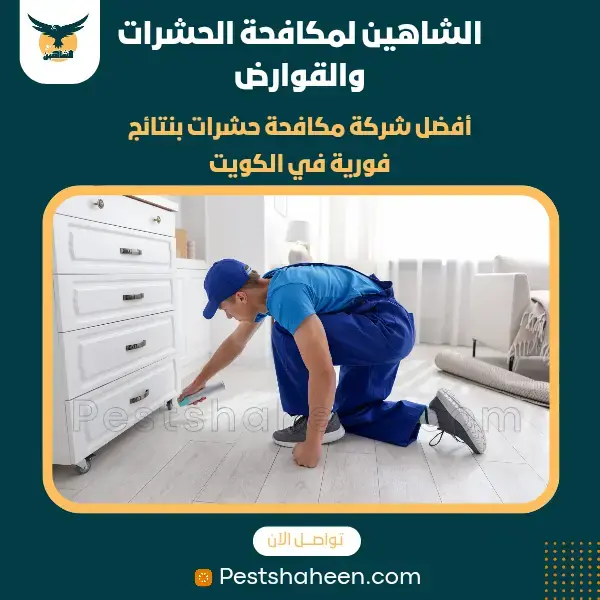
Pest control for central kitchens in Kuwait requires understanding how food moves from the moment it enters the facility until it leaves as a finished meal because the risk point may occur at any stage of the process. A central kitchen usually includes a receiving area, dry storage rooms, refrigerators, preliminary preparation sections, cooking areas, cooling, packaging, washing facilities, and waste handling zones. Each area has different conditions in terms of temperature, moisture, staff movement, and material flow.
If cockroaches appear near the washing area, for example, it is not correct to assume immediately that the entire kitchen is affected. The inspection should begin with drains, areas behind equipment, moisture sources, and spaces that are difficult to access during normal operations. If flying insects appear around the vegetable preparation area, attention should be given to plant residues, waste disposal methods, door conditions, and nearby receiving areas.
One important issue in central kitchens is that production pressure may make some sections difficult to stop. For that reason, inspection and pest control work should be coordinated with the operations manager so the affected location can be treated without unnecessarily interrupting other production lines that are not connected to the problem.
In a practical situation, a supervisor may notice insect activity only after the evening shift has ended. In that case, recording the time and exact location of the observation can be useful, followed by reviewing the latest cleaning cycle, the way waste was removed, and the condition of equipment after production stopped. This information can help determine whether the pest activity is linked to a particular period or to a permanent source inside the facility.
Any food materials suspected of contamination should also be isolated and should not be considered safe simply because the outside of the package has been cleaned when there are signs that require further assessment.
• Dividing the central kitchen into clear operational zones helps identify the source of pests according to the nature of each production stage instead of using the same control method in receiving and storage and cooking and packaging areas
• Recording the time and location of pest activity and the condition of the area when the observation occurred gives the pest control team practical information that can connect activity with cleaning and moisture and material movement instead of treating the complaint as an isolated incident
• Maintaining production continuity is achieved by treating the affected area within a defined scope while protecting food and utensils and avoiding the unnecessary shutdown of production lines that are not directly related to the problem
Central Kitchen Pest Control Company
Choosing a central kitchen pest control company requires evaluating how the company works before focusing on price or response speed because the facility produces large quantities of food and an unorganized procedure may affect more than one production line at the same time.
A suitable company begins by asking about the kitchen layout, the number of shifts, the type of raw materials, delivery schedules, and the locations of storage, washing, packaging, and waste handling areas. These details are important because the same insect species may have a different cause depending on where it appears. A cockroach near refrigeration equipment should not be treated in the same way as a stored-product pest found inside dry ingredients.
It is also useful to have a responsible person from kitchen management accompany the inspection and explain material movement routes and the areas that are difficult to stop during production. This coordination helps the technician organize the inspection without entering a sensitive area while meals are being prepared or requesting that a section be cleared when it does not actually require treatment.
The company also needs to explain what falls within its service scope and what requires intervention from the maintenance team. If a gap around water connections or a leak beneath heavy equipment is discovered, pest treatment alone may not be enough. It should be clear whether the problem requires mechanical or structural repair alongside pest control procedures.
One mistake is relying on a company that promises the problem will be permanently eliminated after a single visit before inspecting the facility. Central kitchens are large and complex environments, and the result depends on the type of pest, level of activity, building condition, and whether recommendations are implemented after treatment.
You can contact Shaheen Pest Control to inquire about services for central kitchens in Kuwait and explain the size of the facility, the operating system, and the areas where the problem has appeared before agreeing on the service scope.
• A suitable company should understand the operational sequence inside the kitchen and identify sensitive areas before treatment so inspections and control procedures can be organized without interrupting production or exposing food and equipment to unsuitable materials
• Having a kitchen representative present during the inspection helps explain operating hours and material locations and staff movement and prevents treatment decisions from being made without understanding how the area is actually used every day
• It should be clear from the beginning whether repairs to leaks and openings and structural defects are the responsibility of the pest control company or require a separate maintenance team so the causes of infestation do not remain after treatment has been completed
Central Kitchen Spraying Company in Kuwait
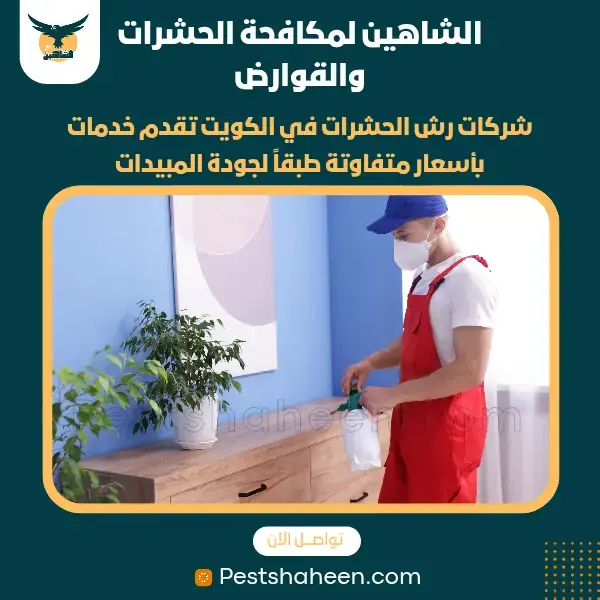
Searching for a central kitchen spraying company in Kuwait does not mean that spraying every department is the correct solution because spraying is only one pest control method and should be used only when it is suitable for the pest species and the targeted location. A central kitchen contains preparation surfaces, cooking equipment, refrigerators, utensils, raw ingredients, and finished products, so any pesticide application must be limited to permitted locations and carried out according to the product instructions.
Before spraying begins, the affected area should be identified and protected from exposed food and equipment that could come into contact with the material being applied. If treatment is being carried out near electrical equipment or refrigeration systems, spray should not be directed inside openings or onto electrical connections because this may damage the equipment or create an unnecessary contamination risk.
The timing of treatment is also important. Some central kitchens operate over several shifts and may not have a long closure period. In that situation, a suitable time should be chosen that allows the targeted area to be cleared and gives enough time for ventilation, cleaning, and the required waiting period before operations resume.
For example, if cockroaches repeatedly appear around a particular drain after washing has finished, it makes little sense to spray the entire cooking area. The better approach is to inspect the drain and its surroundings, determine whether activity is connected to moisture or organic residues, and then select a targeted treatment for that location.
If the problem continues after spraying, the automatic response should not be to increase the amount of pesticide or repeat the same treatment. The area should be inspected again to determine whether it was cleaned properly and whether a leak, opening, or food source is still present.
A professional company should also give kitchen management clear instructions before and after treatment so the team knows when materials need to be removed, which surfaces require cleaning, and when the area can safely return to operation instead of relying on unwritten estimates.
• Central kitchen spraying should target only the location that actually requires treatment after the pest species and activity source have been identified so unaffected production areas are not unnecessarily exposed to pesticides
• Protecting food and utensils and equipment before treatment is essential because successful pest control should never come at the expense of food safety or the cleanliness of surfaces used to prepare meals
• Continued pest activity after spraying requires reassessment of the source and review of moisture and drains and cracks and waste movement instead of repeating the same application and increasing pesticide use without a new diagnosis
Cockroach Control in Central Kitchens
Cockroach control in central kitchens requires more than simply looking for the insect that can be seen because cockroaches often take advantage of warm and humid areas and locations containing food residues or narrow spaces around equipment. Central kitchens contain many appliances, water lines, refrigeration systems, and drains, which makes identifying the activity source more important than applying pesticide quickly.
If the operations team notices small cockroaches around a refrigeration unit or near the washing line, the inspection should begin with rear spaces, areas beneath equipment, the condition of utility connections, and sources of moisture. Water accumulation or a small leak beneath a machine may create suitable conditions for cockroaches even when the visible floor is cleaned regularly.
In some central kitchens, the problem appears inside a utility room or a rear corridor rather than in the food preparation area itself. In that case, the activity location should be connected to movement routes inside the facility because cockroaches may travel through gaps and service lines and later appear in another department. For that reason, the inspection should look at the relationship between the affected area and surrounding facilities instead of treating each location as completely separate.
A common mistake is for employees to use quick insect sprays whenever they see a cockroach. This may temporarily hide the activity but does not address the source and may drive insects into more difficult hiding places. It is better to have a clear reporting procedure and prevent the random use of pest control products inside a food production facility.
Organizing cartons and packaging materials is also important because keeping them stacked for long periods near production areas may create additional hiding places. Removing unnecessary materials and arranging storage areas can reduce difficult-to-inspect locations.
After treatment, the same locations should be checked again and compared with their earlier condition. If activity continues in the same area, the cause should be reassessed rather than automatically repeating the same procedure.
• Cockroaches appearing around refrigeration units or washing areas require inspection of water sources and rear spaces and gaps around equipment because the problem may be associated with concealed moisture rather than only the visible area
• Preventing workers from using random insect sprays when cockroaches are seen helps protect the production environment and allows the pest control team to understand the real activity pattern rather than dealing with the effects of unorganized treatment
• Removing excess cartons and organizing storage areas and rear corridors reduces hiding places and makes inspection and monitoring easier inside a large kitchen with continuous movement of materials and equipment
Fly Control in Central Kitchens
Fly control in central kitchens varies according to the type of flying insect and its source because large flies entering through a loading door are different from smaller insects appearing around vegetables, drains, or organic residues. The correct approach begins by identifying where the insects are gathering and when they appear instead of simply spraying flying insects.
If flies appear near the vegetable receiving area, doors, incoming boxes, and the condition of materials should be checked before they enter the kitchen. If activity is concentrated around the washing area, it may be associated with drains, organic buildup inside them, or standing water.
Waste areas are among the most important locations to include in a central kitchen inspection because large quantities of food waste are often generated throughout the day. If waste containers are left open or removal is delayed, the area may become a strong attractant even when cooking sections themselves are clean.
The way external doors are protected should also be reviewed because keeping them open for long periods during loading and unloading increases the chance of flying insects entering. This is often an operational issue rather than a reason to apply additional pesticide, so the solution may involve organizing door use or improving entry protection.
One mistake is installing electric insect zappers directly above food preparation surfaces or close to exposed products because certain devices may scatter insect fragments nearby. The device type and installation location should be selected so they do not increase contamination risk.
A practical example would be when the team notices that fly activity increases when waste is removed after the end of a shift. The correct response is to evaluate waste cart routes, the condition of doors and containers, and cleaning schedules instead of spraying the production area during the day without connecting the activity to its source.
• Identifying the type of fly and where it gathers helps determine whether the problem is related to vegetables or drains or waste or external doors instead of using the same control method for every flying insect
• Waste handling areas need suitable containers and regular cleaning and organized removal schedules because a continuing external or rear-area source can allow insects to return even after production areas are treated
• Flying insect control devices must be positioned carefully away from exposed food and preparation areas so the control method itself does not become an additional contamination source
Pest Control Contract for Central Kitchens
A pest control contract for central kitchens is suitable for facilities with continuous production that require organized monitoring instead of waiting for a major infestation to appear each time. A useful contract should be based on kitchen layout, operating intensity, and the level of risk in each department rather than simply specifying a fixed number of visits during the year.
Before signing the agreement, covered areas should be clearly identified, including receiving, dry storage, refrigeration, preparation, cooking, cooling, packaging, washing, and waste handling areas. If loading yards or external storage rooms exist, the contract should state clearly whether they are included.
The pest categories included in the contract should also be defined because some problems such as cockroaches and flies may be included in a standard program while stored-product pests or rodents may require additional procedures depending on the agreement.
Reports after every visit are especially important in a central kitchen because management needs to know what was inspected, what problems were found, and whether recommendations were issued to maintenance or cleaning teams. A report that only states that spraying was completed provides little operational value and does not help management address the cause.
A clear procedure should also exist for complaints that appear between scheduled visits. If significant activity occurs inside a preparation area in the middle of the month, management should know how to contact the provider and whether the additional visit is included in the contract or carries a separate charge.
Over time, the program should be evaluated using complaint frequency, activity locations, and the results of corrective actions. If the same drain repeatedly causes a problem during every visit, the plan should be changed and the cause addressed rather than simply recording the same observation every month.
• The contract should identify every department inside the central kitchen and every pest category included in the service so management knows exactly what is inspected and treated without relying on unwritten assumptions
• Regular reports help connect problems with operating areas and identify recommendations required from cleaning and maintenance teams rather than allowing observations to remain only as verbal comments after each visit
• Having a clear procedure for urgent pest reports between scheduled visits makes the response to new infestations faster and more organized and prevents management from waiting for the next appointment while a problem continues inside a sensitive area
Pest Control in Meal Preparation Areas

Pest control in meal preparation areas requires the highest level of caution because these locations contain cutting tables, exposed ingredients, utensils, and equipment used directly in food preparation. Any treatment should therefore begin by protecting food and tools and identifying the exact target area before any pest control material is used.
If an insect appears near a preparation table, this does not necessarily mean the table is the source. The insect may have come from a crack in the wall, beneath nearby equipment, or from a drain. The entire surrounding environment should be inspected before a treatment method is selected.
Cutting and preliminary preparation areas often experience rapid activity and large amounts of waste during the shift. If residues are not removed regularly, small quantities may remain beneath tables or inside corners and provide a continuing food source for pests.
The way clean utensils are stored after washing is also important. Clean equipment should be protected from pest activity and from pest control materials applied in nearby areas.
If treatment is carried out, exposed food should be removed, surfaces protected, and clear instructions followed regarding when the area can be used again. The preparation team should not resume meal production simply because the technician has finished applying the treatment.
One mistake is treating the entire meal preparation area because one insect was seen at one edge. It is better to divide the area, define the actual scope of treatment, and continue inspecting the rest of the department without unnecessarily exposing it to pest control products.
• Any pest activity near preparation tables requires inspection of the surrounding area and gaps and drains instead of assuming that the work surface itself is the source of the problem
• Small cutting residues that fall beneath tables or behind equipment need regular removal because they may provide a continuing food source even when visible work surfaces appear clean
• Reopening a preparation area after treatment should only take place after the required cleaning and waiting instructions have been completed so surfaces and utensils are not used before they are actually ready
Pest Inspection in Central Kitchens
Pest inspection in central kitchens is not a quick walkthrough where the technician simply checks whether a visible cockroach is present. A proper inspection reviews evidence, high-risk areas, and their relationship with the movement of materials, water, waste, and equipment throughout the facility.
The inspection begins in receiving areas because certain pests may enter with boxes or incoming materials. It then continues through dry storage, refrigeration, preparation and washing areas, packaging storage, and rear corridors.
The signs being examined vary according to the pest involved. They may include droppings, movement traces, live or dead insects, damaged packaging, or repeated activity around particular drains.
It is important to record the exact location of each observation rather than simply writing that insects were found somewhere in the kitchen. Identifying the room, machine, drain, or area allows the findings to be compared during future visits.
The inspection should also review cracks, doors, and gaps around utility lines because some problems continue returning through the same point even after the visible pests have been treated.
Employee complaints can also provide useful information because staff members spend long hours inside the facility and may notice activity at times when the technician is not present. However, every report still needs to be verified before deciding on treatment.
At the end of the inspection, the findings should be converted into a clear action plan with priorities, identifying which issues require pest treatment and which require cleaning, maintenance, or operational changes.
• An organized inspection begins in receiving and follows the production route so each observation can be connected to the stage where it appears instead of checking unrelated sections without understanding how they connect
• Recording exact activity locations makes it possible to compare one visit with another and determine whether the problem is improving or moving or continuing at the same point
• Employee observations are an important source of information but they should be verified through inspection so the response is based on actual evidence rather than a brief impression or sighting
Central Kitchen Pest Control Prices
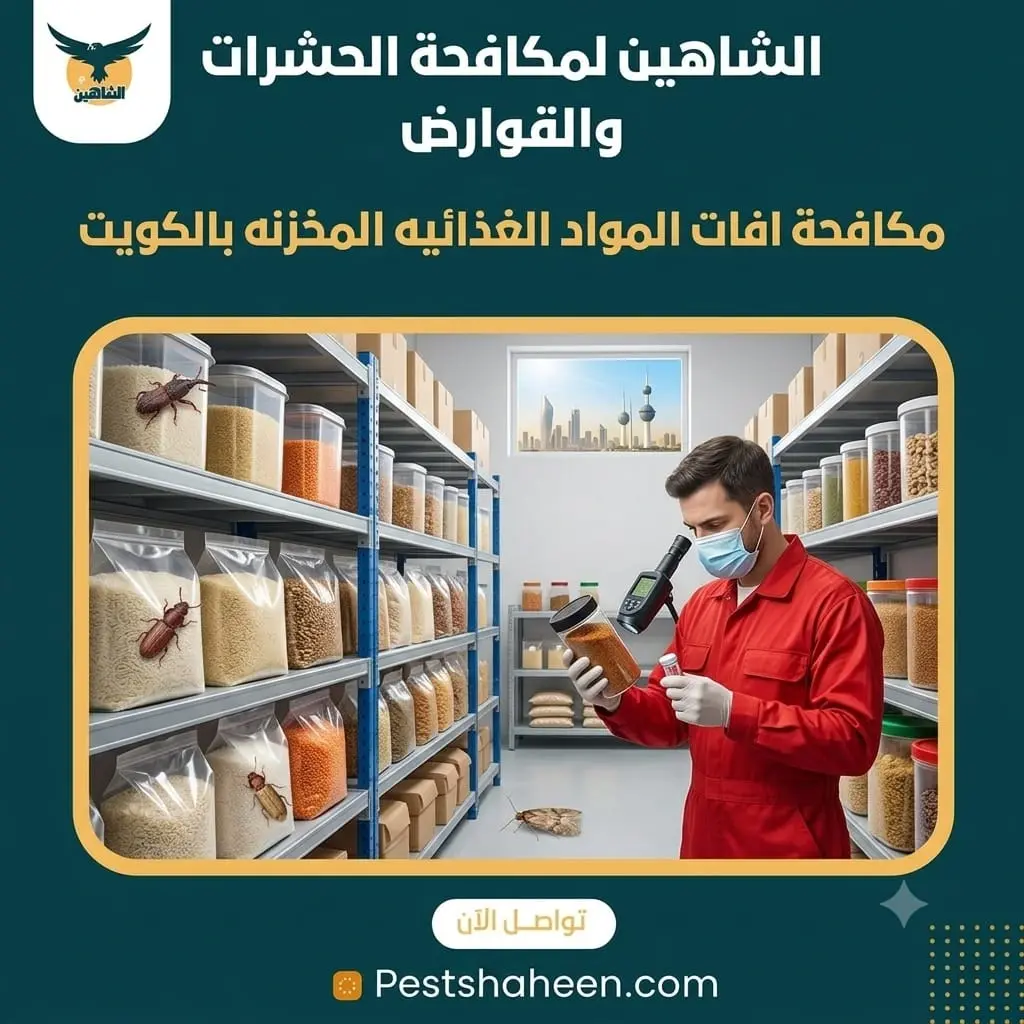
Central kitchen pest control prices vary according to the size of the facility, the number of production sections, the type of pests involved, the activity level, and the number of visits required. A small kitchen serving one location will not have the same requirements as a large central kitchen preparing thousands of meals across several shifts.
The size of the premises is not the only factor. A smaller kitchen may have a complex infestation that requires more follow-up than a larger facility with an organized preventive program.
The pest species involved also affects the cost. Treating cockroach activity inside a utility section is different from providing a comprehensive program covering flies, rodents, and stored-product pests with routine inspections of several storage rooms.
When requesting a price, it is better to explain the number of production sections and storage rooms, the shift system, the current pest problem, and whether the required service is a single visit or an ongoing contract.
The final amount should not be the only point of comparison because some offers include reports, follow-up visits, and response to new complaints while others may include only pesticide application.
Management should also ask which services are excluded from the price, such as maintenance repairs, structural sealing, or visits outside the agreed schedule.
• Pricing is affected by kitchen size and operational complexity and pest species and the number of visits so a quotation should be based on clear information about the facility
• Comparing offers should focus on service scope and follow-up and reports and complaint response rather than only the final price because differences in these details can significantly change the value of the service
• Understanding excluded services from the beginning helps management plan its budget and prevents unexpected additional costs during implementation
Pest Control Program for Food Production Kitchens
A pest control program for food production kitchens is stronger when it is integrated with daily operations instead of being treated as a separate activity that takes place occasionally. The program should include inspection, monitoring, cleaning, maintenance, waste handling, complaint recording, and follow-up.
The first step is identifying areas according to risk level. Food preparation and exposed-food zones require a higher priority, while certain corridors or non-food storage areas may have a different level of risk.
Monitoring points, inspection schedules, and recording procedures should then be defined. The objective is for management to understand what changes from one month to another rather than simply knowing whether the technician attended.
The program also requires cooperation between several teams. Cleaning staff are responsible for reaching designated locations and completing required cleaning, maintenance personnel address leaks and openings, and operations staff report any activity that appears during a shift.
The program should be reviewed whenever working conditions change. Adding a new production line, expanding a storage area, or changing the waste location may create new risk points that need to be included in the plan.
A good program does not measure success by the number of spraying visits but by lower pest activity, fewer complaints, correction of recurring causes, and improved ability to detect a problem early.
• The routine program should identify risk zones and monitoring points and recording methods so management has a clear picture of pest conditions inside the facility over time
• Cooperation between cleaning and maintenance and operations teams and the pest control company is important because every team controls part of the solution and treatment cannot succeed if moisture sources or openings or waste problems remain unresolved
• Any change in kitchen design or production lines or material movement requires an update to the program so the pest control plan continues to reflect the way the facility actually operates
Conclusion
Pest control for central kitchens in Kuwait requires a plan connected to production itself because every stage from receiving to packaging may present different risks. Cockroach control requires inspection of moisture sources and equipment, while fly control requires attention to waste, doors, drains, and receiving areas.
The strongest solution is not frequent spraying but the combination of inspection, cleaning, maintenance, follow-up, and organized cooperation between kitchen departments. The more clearly observations are recorded, the easier it becomes to identify the source of the problem and review the result of treatment.
You can contact Shaheen Pest Control to inquire about services for central kitchens in Kuwait and explain the size of the facility, the shift system, and the nature of the current pest problem. The most suitable plan is one that protects food safety and production continuity while addressing the pest source instead of focusing only on the visible insect.
Frequently Asked Questions
Does the entire central kitchen need to stop operating during pest control?
Not necessarily. Some situations can be handled by isolating only a specific area. The decision depends on the type of treatment, its location, and the required safety measures.
Is spraying the best solution for every pest inside the kitchen?
No. Some situations require treatment of a moisture source, cleaning of a drain, sealing of an opening, or the use of a targeted control method instead of wide-area spraying.
Which areas require the most inspection inside a central kitchen?
Receiving areas, storage rooms, refrigeration zones, washing and preparation sections, drains, waste areas, and utility entrances are among the most important locations depending on the type of pest problem.
Does cockroach activity near a drain mean the infestation comes from the drainage system?
Not always, but the drain and its surroundings should be inspected because moisture and organic matter may contribute to the activity. The source needs to be confirmed before treatment is selected.
How can flies be reduced inside a central kitchen?
By organizing waste handling, cleaning drains, reducing the amount of time external doors remain open, reviewing attraction sources, and using suitable control methods in appropriate locations.
Can pest control be carried out after the shift ends?
Yes, as long as enough time is available to complete the treatment and required ventilation and cleaning and waiting periods before the next shift begins.
How much does central kitchen pest control cost?
The cost varies according to the size of the facility, the number of departments, pest species, infestation level, number of visits, and services included.
What is the benefit of a pest control contract for a central kitchen?
A contract organizes inspection, monitoring, reporting, and response to complaints and allows management to monitor pest activity instead of waiting until the problem becomes more serious.
Is cleaning alone enough to prevent pests?
Cleaning is essential but it is not the only factor because openings, leaks, stock, doors, and drains may also contribute to pest activity and need to be addressed.
When should the pest control program be reassessed?
The program should be reviewed if activity repeatedly returns in the same area, a new pest appears, or the kitchen layout, production lines, or material movement patterns change.
 Contact Us on WhatsApp