Ant Control in Kuwait Kitchens Without Contaminating Food
Ants in the kitchen need to be handled more carefully than in almost any other part of the home because the kitchen contains exposed food, cabinets, utensils, and preparation surfaces that are used every day. That is why ant control in kitchens in Kuwait should not be based on simply spraying wherever worker ants are visible. It starts with identifying the trail, finding out where the ants are entering and disappearing, and understanding which food or moisture source is attracting them. At Al Shaheen, we focus on protecting food and utensils first, then treating cracks, voids, and suitable entry points according to the infestation. The aim is to control the ants at the source without turning the kitchen into an area filled with unnecessary pesticide applications.
Ant Control in Kitchens in Kuwait
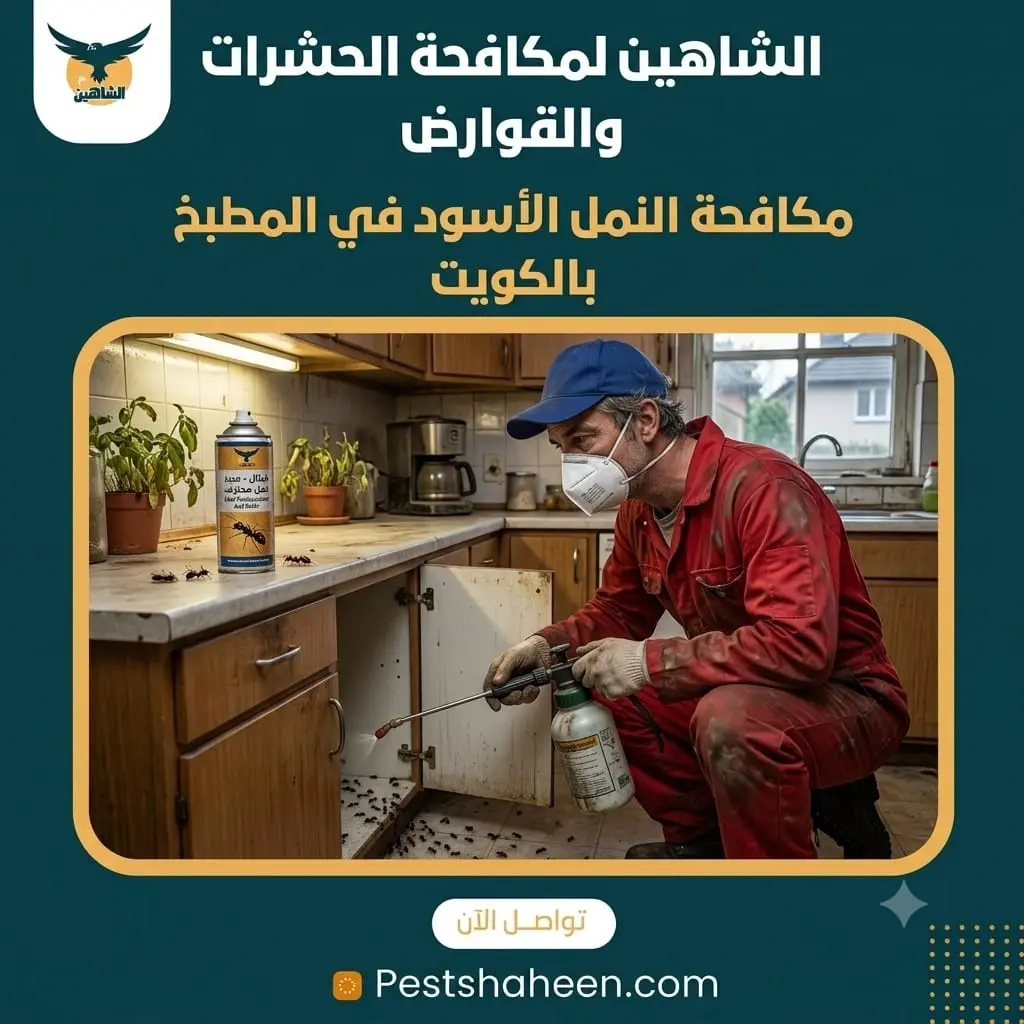
Successful ant control in kitchens in Kuwait begins with understanding that the place where worker ants are seen is not necessarily where the infestation starts. A trail may appear around a sugar container on the kitchen counter while the ants are actually entering through a small gap behind a cabinet. Ants may also appear close to the sink while the true route begins around a pipe opening inside the wall. If only the visible area is sprayed, the number of ants may drop for a short time, but the colony can continue sending new workers through the same route or a nearby one.
In the kitchen, we focus on three main elements: food, moisture, and movement routes. The food source does not have to be large. A few crumbs under the oven, a drop of juice along the edge of a cabinet, or food particles behind the refrigerator can be enough to keep activity going. Moisture is just as important. A small wet area beneath the sink or around a pipe may remain attractive to ants even if food is stored properly.
Before any treatment is applied, we observe the direction of movement. Are the ants coming from one fixed point? Do they return to the same place after reaching food? Does the trail change after cleaning? Are they more active at night or after cooking? These details can tell us far more about the infestation than simply counting how many ants are visible.
At Al Shaheen, the kitchen is treated first as a sensitive food area and only then as a pest control zone. That means treatment points are selected carefully, food and utensils are kept away from the work area, and surfaces that do not need treatment are left untouched.
-
The ant trail is followed before it is completely removed so the relationship between the entry point and food source can be understood instead of treating only the visible part of the problem
-
Food preparation areas are kept separate from treatment points so countertops utensils and food remain outside any unnecessary application
-
Moisture around sinks and plumbing is checked because a steady water source can keep the kitchen attractive to ants even after food residue has been reduced
-
Success is measured by the disappearance of recurring trails and the absence of replacement routes rather than by the number of workers killed during the first visit
Getting Rid of Kitchen Ants
Getting rid of kitchen ants starts by breaking the link between the colony and the kitchen as a dependable source of food or water. Worker ants often return to the same resources they have already discovered, so if sugar, grease, crumbs, or moisture remain available, the colony may continue sending new workers even after a large number of visible ants have been killed.
The first practical step is to organize food storage in a way that reduces attraction. Sugar, sweets, grains, nuts, and dry foods should be kept in sealed containers instead of open bags. Cooking residue and crumbs should be cleaned from cabinet edges and beneath appliances. Waste bins also need regular cleaning and emptying, especially when they contain damp food waste that can become a reliable feeding point.
However, cleaning alone does not mean the colony has been eliminated. A kitchen can be extremely clean and still have regular ant activity if workers are using a fixed route through a structural void or from outside the property. This is where inspection helps separate the attraction source from the actual infestation source.
One common mistake is using several different products over a very short period. A homeowner may spray in the morning, use powder in the evening, and apply a strong cleaner the following day. This can change the movement pattern without affecting the colony and make the infestation harder to read.
At Al Shaheen, we prefer one clear treatment plan followed by monitoring. If the trail gradually decreases, that can be a useful sign. If activity shifts somewhere else, we investigate why instead of simply adding another product.
-
Sugary foods and dry goods are stored in sealed containers so the kitchen no longer offers workers an easy and reliable food source
-
Hidden areas beneath appliances and around cabinet edges are cleaned because food residue in these locations can maintain activity even when visible surfaces look spotless
-
Several treatments are not switched rapidly because constantly changing odors and routes can make it harder to identify the infestation source
-
Successful kitchen ant control means the established trails disappear and no nearby replacement route develops after treatment
Treating Ants Inside Kitchen Cabinets
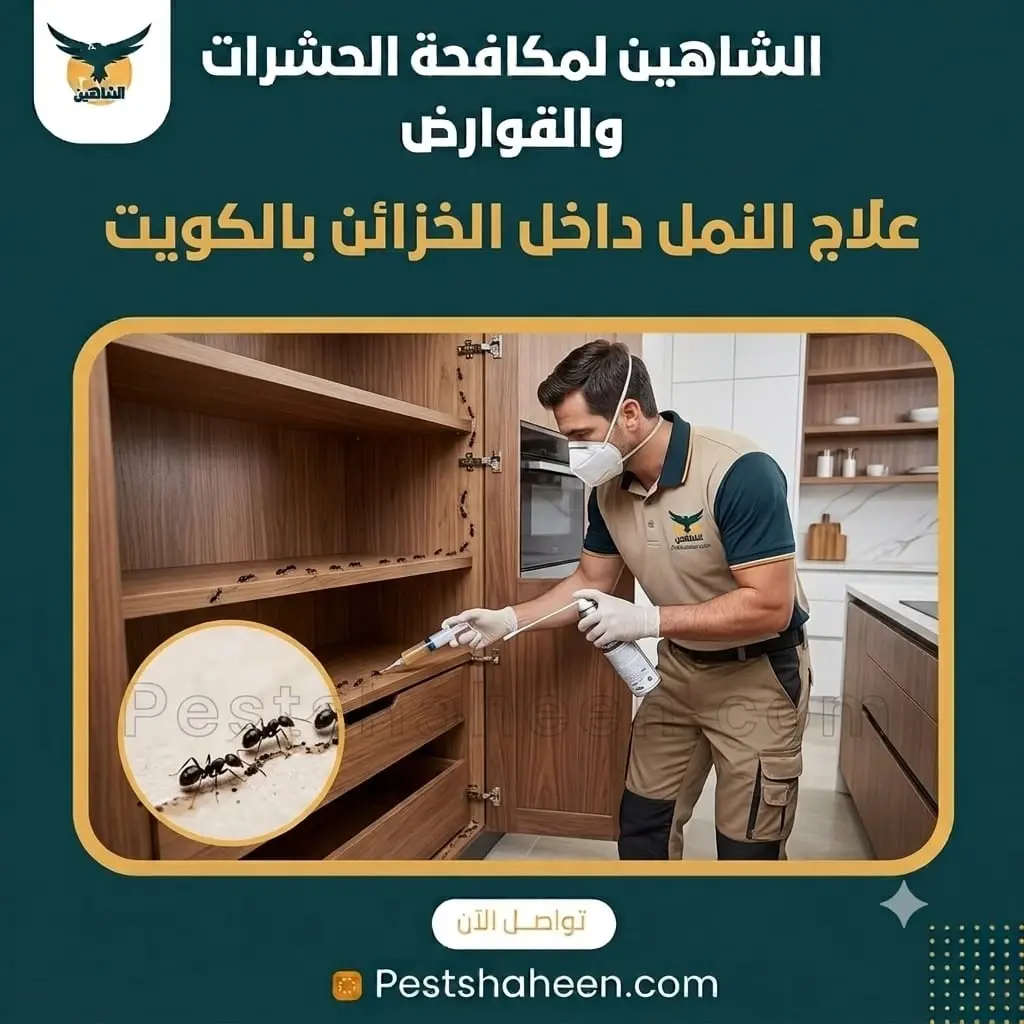
Treating ants inside kitchen cabinets requires extra care because cabinets contain food, plates, glasses, and everyday kitchen items in an enclosed space. Any treatment that is not carefully targeted can reach areas that do not need to be treated. For this reason, the first step is to identify the affected cabinet or section and then empty it or protect its contents according to the treatment scope.
Once the area is clear, the next step is to find the actual movement point. Sometimes worker ants appear on a shelf containing sugar or dates while the real entry point is behind the back panel. In other cases, the ants emerge from a gap between two cabinets or from a space around a pipe or service line.
This distinction matters because the place where ants gather around food is not always the location that requires the main treatment. If the shelf itself is treated while the hidden gap behind it is ignored, activity may decrease temporarily and then reappear on another shelf when the food source changes.
Cabinets that remain full for long periods can also collect crumbs, open packages, or old paper bags that provide ants with both food and sheltered spaces. Part of the treatment therefore involves reorganizing storage so the same attraction does not return after the service.
At Al Shaheen, we try to keep the treatment area limited to locations genuinely connected to the infestation instead of treating every cabinet as though it were affected. If activity is limited to one cabinet, there is no reason to empty the entire kitchen without evidence.
After treatment, the required cleaning instructions are followed before food and utensils are returned, and containers are checked to make sure they are properly sealed.
-
The affected section is emptied or its contents are protected before treatment so food and utensils remain outside the application area
-
Entry points behind shelves and around cabinet joints are inspected because the place where ants gather around food may not be the source
-
Only cabinets connected to the infestation are treated so the service does not become unnecessary broad spraying inside the entire kitchen
-
Food is returned only after the required cleaning steps have been completed and containers are arranged in a way that reduces the chance of renewed attraction
Ant Control Around Food
Ant control around food requires a clear separation between the place attracting worker ants and the place where treatment should be applied. If ants gather around bread, sugar, or fruit, that does not mean the product should be applied next to the food. The correct first step is to remove or cover the food and then follow the route back to the point the ants used before reaching it.
Worker ants often travel along fixed edges, such as wall lines, beneath kitchen units, or through spaces behind appliances. Once the route is understood, treatment can be placed away from the food itself. This makes the service more precise and reduces the need for pesticide use in areas used daily for food preparation.
Some attraction sources are easy to overlook. A dried drop of honey on the side of a container, juice residue under a coffee machine, pet food, waste bins, or grease near the oven may be enough to maintain a regular ant trail. A proper kitchen inspection therefore pays attention to small details that can easily be missed during normal cleaning.
It is also better not to leave several food sources exposed while monitoring the infestation because multiple feeding points can cause the workers to divide into several routes and make the main trail harder to identify.
At Al Shaheen, the focus is on stopping ants before they reach the food rather than treating the food area itself. The aim is to interrupt the route and remove attraction without turning the preparation area into a treatment zone.
-
Exposed food is removed or covered before any treatment begins so food products remain outside the work area
-
The route used by workers before they reach food is traced so treatment can be placed at a safer and more relevant point
-
Sugar juice and grease residue are cleaned even when the amount is small because they can maintain regular daily activity
-
Food storage practices are improved after treatment so the same attraction source does not recreate the trail
Small Ants in the Kitchen
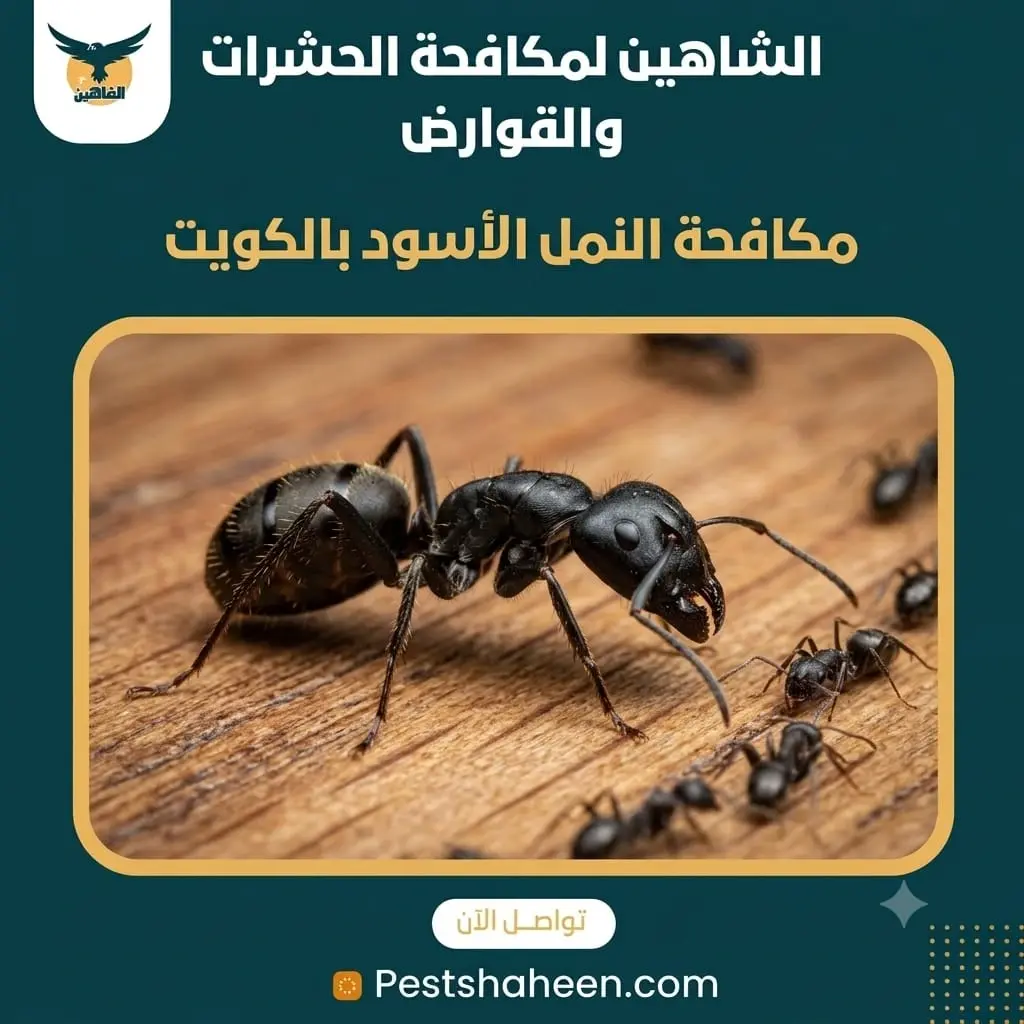
Finding small ants in the kitchen is not enough on its own to identify the species or choose the right treatment. Several ant species can appear similar in size and color, so a more reliable assessment looks at behavior, activity location, movement pattern, and the points where the workers disappear.
If ants appear only near an exterior door or window, the source may be outside the property. If they emerge from an internal cabinet far from any entrance, there may be a stronger possibility that they are using a hidden route inside the kitchen. Activity around water also provides different information from activity focused around sugar or grease.
The number of visible workers is not always a direct measure of infestation size either. A homeowner may only see five or ten ants, but if the same trail has returned every day for two weeks, that is a stable pattern worth investigating. On the other hand, a large number of ants appearing once after sweets were left exposed does not necessarily mean the infestation is equally widespread.
Timing also provides useful clues. If ants are more active when the kitchen is quiet, they may be using a stable route during periods of lower human activity. If activity increases after cooking, food availability may be playing a bigger role.
At Al Shaheen, treatment is not chosen from the appearance of the ant alone. We assess the environment, the trail, and several indicators before deciding where intervention is most useful.
-
The infestation is assessed from worker movement and disappearance points rather than relying only on size or color
-
Recurring activity points are recorded because a stable trail provides more information than one or two isolated sightings
-
Ant activity is compared with cooking cleaning and kitchen use to see whether movement is linked to a recurring source
-
Treatment is not selected simply from a description such as small and dark because behavior and route location provide better guidance
Ant Control Under the Kitchen Sink
The area beneath the sink is one of the most important places to inspect during ant control under the kitchen sink because it combines moisture, plumbing, gaps, and low-traffic spaces in one location. Even a very small leak that is difficult to notice can provide workers with a steady water source and make this area more attractive than the rest of the kitchen.
Before inspection, cleaning bottles, bags, and stored items are removed so the pipes, wall, and edges can be clearly seen. The area is then checked for dampness, leakage, or condensation. If persistent moisture is present, fixing the source becomes an important part of the plan because treating ants while leaving the water source untouched limits long-term effectiveness.
The movement pattern is then observed. Are workers emerging from a gap around a drainpipe? Are they coming from behind the cabinet? Are they travelling between the sink area and another wall? Each possibility points toward a different treatment location.
The area may also be only a passage and not the colony location itself. For this reason, finding ants beneath the sink does not automatically mean the nest is there. The aim is to understand how that area connects with the rest of the route.
At Al Shaheen, the space beneath the sink is treated as an important technical point, but not as an excuse to spray everything stored there. Treatment is directed toward relevant gaps and movement points while customer belongings remain outside the application area.
-
Moisture sources are checked first because even minor leakage or condensation can maintain ant activity after food sources have been reduced
-
The space beneath the sink is cleared so pipe openings gaps and movement routes can be seen during inspection
-
Treatment is directed toward relevant joints and passage points instead of spraying cleaning products or stored items
-
The moisture source is addressed alongside pest treatment so the area does not remain attractive after the ant trail begins to disappear
Treating Ant Trails in the Kitchen

Treating ant trails in the kitchen means using the visible line as valuable information rather than simply removing it as quickly as possible. The trail connects the feeding area with the point where worker ants return, so following the beginning and end can help narrow down the source of the infestation.
Before the trail is cleaned, the direction of movement is observed. We check whether workers are moving both ways, whether some are carrying food, and whether they all disappear into the same opening. If more than one trail leads back to the same part of the kitchen, that area becomes more important during diagnosis.
One mistake that reduces the value of this information is spraying the entire trail every time it appears. The ants may disappear quickly, but the opportunity to understand where they are heading disappears with them. If the colony remains active, another trail may appear later from a nearby point.
After treatment, we monitor how the trail changes. A gradual reduction in workers may be a positive sign depending on the method used. If the route shifts, this does not automatically mean the service has failed. It may indicate that the ants have changed their path after the original route was disturbed.
At Al Shaheen, changes in movement are treated as part of the continuing diagnosis. If a new trail appears, it is compared with the original pattern instead of being treated as a completely separate problem.
-
The beginning and end of the trail are observed before cleaning so important movement points are not lost
-
Daily recurring trails receive greater priority because they indicate a stable relationship between the colony and a food source
-
Any change in direction after treatment is recorded so it can be determined whether activity is decreasing or moving toward another entry point
-
The purpose of trail treatment is to reduce the connection between the colony and attraction source rather than simply remove workers from the countertop
Ant Control Behind Kitchen Appliances
Ant control behind kitchen appliances may require inspecting locations that are difficult to reach during normal cleaning, such as behind the refrigerator, oven, dishwasher, or other large appliances depending on the kitchen layout. These spaces can collect crumbs, grease, or moisture and may also contain electrical openings, water lines, or gaps between the appliance and the wall.
The goal is not to move every heavy appliance without a reason. However, if an ant trail repeatedly disappears behind a particular appliance or workers appear along one side of it, inspecting the area becomes justified. The appliance can then be moved carefully if it is safe to do so, allowing the wall, floor, edges, and service connections to be checked.
Behind a refrigerator, for example, small food particles can remain for long periods because the area is difficult to clean. Appliances connected to water can also have slight condensation or leakage nearby. For that reason, treatment is not only about applying pesticide. Any food or moisture source found should also be removed or corrected.
Electrical components must be considered carefully and should never be treated like ordinary surfaces. Any application is limited to appropriate locations and carried out according to the product and the surrounding area.
After the appliance is returned to its normal position, the area should be left free of food residue or moisture that could encourage the ants to return.
-
Areas behind appliances are inspected when there is clear evidence linking ant activity to the location rather than moving heavy appliances without a reason
-
Food residue and grease that normal cleaning cannot easily reach are removed because they can provide a continuing source of food
-
Plumbing and drainage around water-connected appliances are checked because moisture may be an important factor in continued activity
-
Electrical components are avoided and any treatment is directed only toward suitable locations connected to the ants' route
Getting Rid of an Ant Nest in the Kitchen
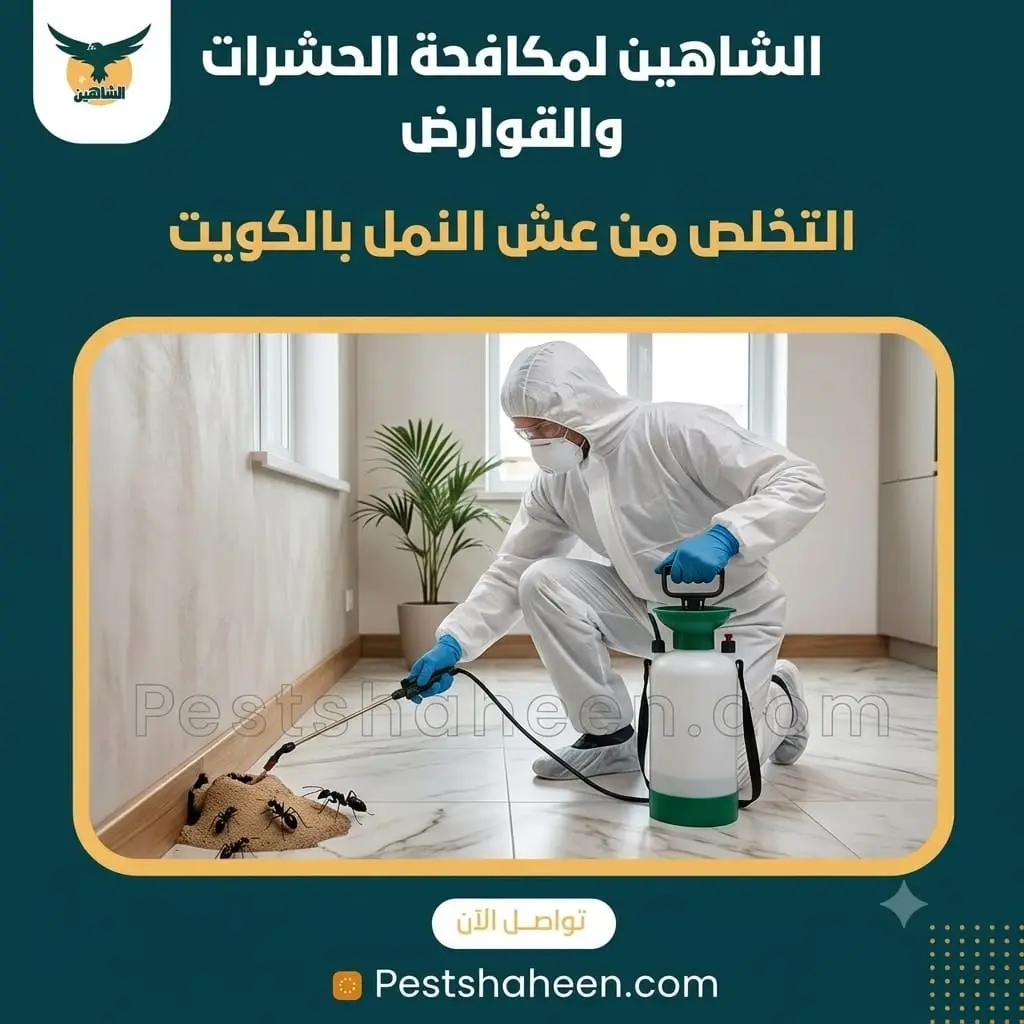
Getting rid of an ant nest in the kitchen does not mean that a wall must be opened or kitchen units dismantled until the colony can be seen. In many cases, the nest may be inside a structural void, beneath part of the floor, or even outside the kitchen while worker ants use one opening as their route into the room.
For that reason, trails are used to narrow down the possible source. If several trails return toward the same area behind kitchen units, that zone becomes a higher priority for inspection. However, it is not automatically treated as proof that the colony is directly behind the visible surface.
Treatment is then selected according to the nature of the infestation and the likely colony location. Some situations may benefit from a method designed to influence colony activity rather than only kill visible workers. In other cases, the true source may be outside the kitchen and the plan needs to include the entry point.
Follow-up is especially important. If worker numbers fall and the main trails disappear without replacement routes, this gives stronger evidence that the treatment is affecting the source. If the same trail continues with the same intensity, the source may need to be reassessed.
Opening walls or finishes should be considered only when there is strong evidence and a real reason to do so. Disruptive work based on guesswork can cause damage without bringing the treatment any closer to the colony.
-
Several trail directions are used to narrow down the likely colony area instead of guessing from the place where workers happen to gather
-
Kitchen units and walls are not opened without strong indicators because a trail may pass through an area far from the actual nest
-
The selected treatment is designed to reduce colony-related activity rather than simply kill ants moving across kitchen surfaces
-
Control is judged by the disappearance of the main trails and the absence of replacement routes in the area connected to the source
Kitchen Ant Control Company in Kuwait
Choosing a kitchen ant control company in Kuwait should depend on how the company protects the kitchen environment before talking about pesticide strength. A professional company understands that the kitchen is used for food preparation, so it first asks where the ants are active, how widespread the problem is, whether the trail is inside a cabinet, beneath the sink, or behind an appliance, and whether children or pets regularly use the area.
At Al Shaheen, the work area is defined before the customer is asked to prepare anything. If the infestation is limited to one cabinet, there is no reason to empty the entire kitchen. If activity extends between the sink, appliances, and cabinets, the customer is told exactly which areas need to be cleared before the technician arrives.
After inspection, the treatment method is selected according to the activity location. Not every case requires liquid spraying and not every infestation needs the same product. The important point is that treatment is kept away from exposed food and utensils and is applied only in appropriate areas.
A professional company should also remain clear after the technician leaves. The customer needs to know which surfaces can be cleaned, which treatment points should remain undisturbed, when food can be returned, and what changes in the trail should be monitored.
The real value of the service is in the clarity of the plan. When the customer understands why one location was treated and another was deliberately avoided, it becomes clear that the service is based on diagnosis rather than broad spraying.
At Al Shaheen, the best result means controlling the ants while allowing the kitchen to return to normal use in an organized way after the required instructions have been followed.
-
A professional company identifies food areas and sensitive surfaces before selecting treatment points so kitchen ant control does not become general spraying throughout the room
-
Only the affected area is prepared whenever possible instead of unnecessarily emptying every cabinet and moving every appliance when the infestation is localized
-
The treatment method and aftercare instructions are explained so the customer knows what to clean when to return items and how to monitor the trails
-
The strongest service combines accurate source control with minimal unnecessary exposure in a space used every day for food storage and preparation
Conclusion
Ant control in Kuwait kitchens without contaminating food requires more precision than general spraying because the kitchen combines pest activity with food, utensils, and surfaces that come into direct contact with meals every day. That is why the correct starting point is understanding the trail and identifying what is attracting the ants and where they disappear before choosing the treatment.
If activity is concentrated around the sink, moisture and plumbing should be assessed. If ants appear inside cabinets, the entry point should be identified and the contents protected. If they disappear behind appliances, food residue, moisture, and hidden gaps need to be checked. If workers gather around sugar, treatment should not be placed next to the sugar itself. The route that brought them there should be investigated instead.
At Al Shaheen, we focus on targeted treatment because using more pesticide inside a kitchen does not mean better control. The more accurately the treatment point is selected, the easier it is to reduce unnecessary application and keep food preparation areas outside the work zone.
The result we are looking for is not simply that the ants disappear immediately after treatment. The stronger result is when the trail itself stops returning, food or moisture sources are controlled, and the household can use the kitchen normally after following the required instructions.
If you notice ants inside a cabinet, beneath the sink, or behind an appliance, avoid spraying everything around the area. Move food away, note where the trail travels, and let the treatment focus on the source rather than the surfaces your family uses every day.
Frequently Asked Questions
Can ants be sprayed directly on the kitchen countertop?
It is generally better to avoid applying pesticide to food preparation surfaces unless there is a specific need and the product instructions allow it. Professional treatment focuses on cracks, gaps, and suitable movement points while keeping countertops and food-contact surfaces protected.
How do I get rid of ants inside a kitchen cabinet?
The affected section should first be emptied or its contents protected. The entry point or movement route is then identified and treated appropriately. Afterward, the required surfaces are cleaned and food and utensils are returned according to the service instructions.
Why do ants often appear under the kitchen sink?
The area under the sink combines plumbing, gaps, and moisture in one location. A small leak, condensation, or an opening around a pipe may provide both water and a stable movement route for worker ants.
Is ant gel better than spraying inside the kitchen?
There is no single method that is best for every case. Some infestations may respond better to gel or bait, while others may need localized treatment or work around an entry point. The correct choice depends on the movement pattern and the likely colony location.
Do I need to empty every kitchen cabinet before treatment?
Not always. If the infestation is limited, only the affected section may need to be prepared. If trails are present in several cabinets, a larger area may need to be cleared depending on the inspection and treatment plan.
When can I return food to the cabinets after treatment?
This depends on the treatment method, application area, and product instructions. The technician’s guidance should be followed, and any required surfaces should be cleaned before food and utensils are returned.
Does finding ants inside a cabinet mean the nest is there?
No. The cabinet may simply be a feeding area or movement route. The colony itself may be behind the unit, inside a wall void, beneath the floor, or even outside the kitchen.
Why do ants keep returning even though I clean the kitchen every day?
Cleaning reduces food sources, but it does not remove an established colony, an active entry point, or a hidden moisture source. Persistent trails usually need source investigation rather than more cleaning alone.
Does using more pesticide give faster results?
Not necessarily. The correct location and treatment method are more important than the amount used. Increasing pesticide use around food and everyday kitchen surfaces does not automatically improve the outcome.
How do I choose the right kitchen ant control company?
Choose a company that starts by identifying the trail and attraction source, protects food and utensils, explains the treatment area before application, and gives clear instructions for what to do before and after the service instead of simply spraying the entire kitchen.