Ant Gel Treatment in Kuwait: When Is It Right for Infestations
Not every ant problem needs spraying, and not every infestation is suitable for gel treatment. Ant gel treatment in Kuwait can be a useful option in certain situations, especially when there is clear worker activity, a stable trail, and a suitable place where bait can be applied away from exposed food, frequent cleaning, and areas that are constantly disturbed. The idea is not to kill the ant you see immediately. Instead, worker ants feed on the bait and continue moving within the colony’s normal activity, depending on the species and the situation. At Al Shaheen, we first determine whether gel is actually appropriate because its success depends on placement, ant activity, competing food sources, and avoiding other products that may disrupt the trail or repel workers from the bait.
Ant Gel Injection in Kuwait
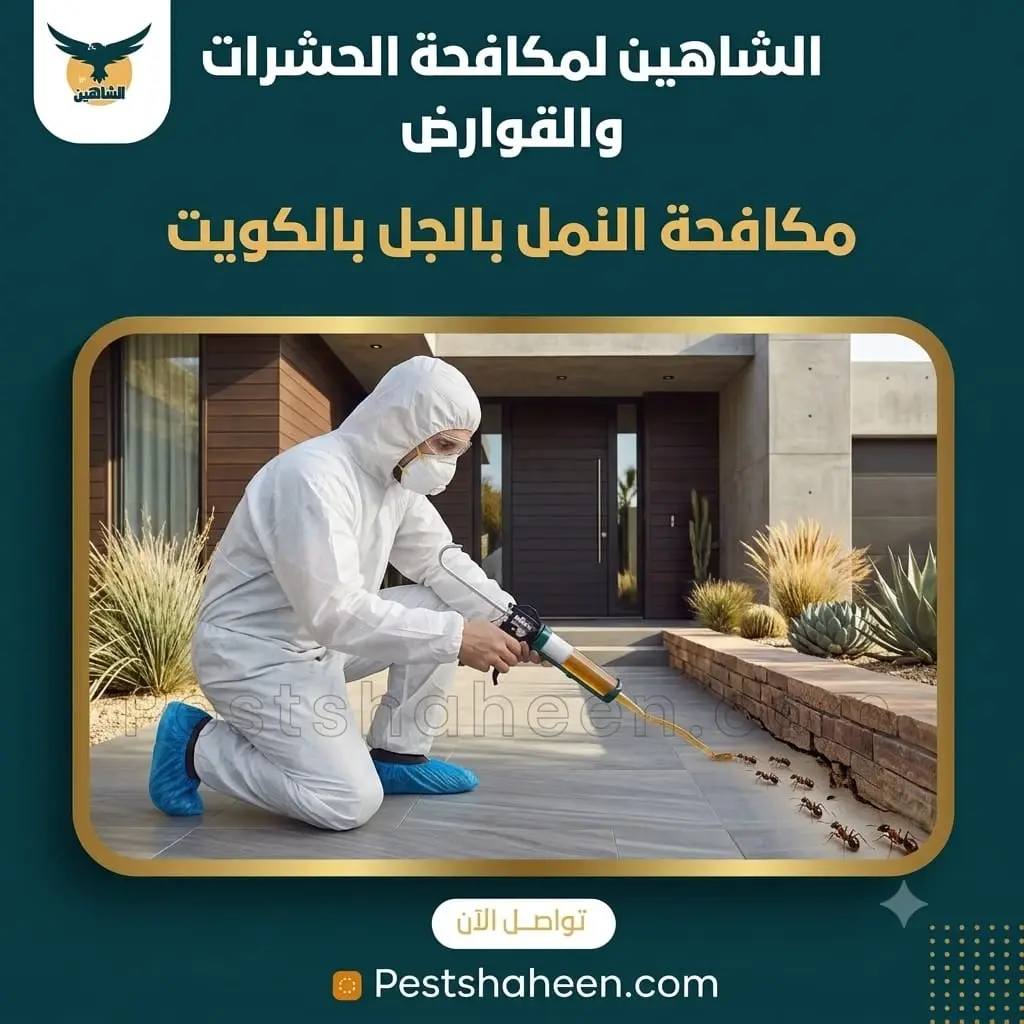
Professional ant gel injection in Kuwait does not mean placing a large amount of gel into every visible crack and waiting for the ants to disappear. Proper use begins by checking whether worker ants are actively feeding, whether their trail is stable, and whether the area allows bait to be placed in a suitable location away from exposed food, water, and frequent cleaning. If these conditions are not present, gel may be less effective than another method or may need to be used as only one part of a broader treatment plan.
The term injection is often used to describe placing small amounts of gel into selected cracks, joints, and protected points associated with ant movement, according to the product label and instructions. It does not mean injecting gel randomly deep inside walls or filling every opening in the kitchen or home. Each placement point should have a reason and should be connected to actual activity observed during inspection.
One situation we frequently see is a customer who has already used a strong household spray before the technician arrives and then asks for gel treatment on the same day. The problem is that spraying can change the ants’ direction or temporarily reduce activity, making it more difficult to assess whether the bait is being accepted. In another case, there may be several open food sources nearby that compete directly with the gel and reduce worker interest in the bait. This is why part of successful gel treatment starts before the gel is even applied.
At Al Shaheen, we use gel when there is a realistic opportunity for it to contribute to colony control rather than simply because the customer has heard that gel is always better than spraying. If activity is mainly outdoors, the trail is unstable, or the area is washed constantly, the treatment plan may need to be adjusted.
-
Gel points are selected according to active worker trails so the bait is placed where ants are actually moving rather than inside cracks that have no connection to the infestation
-
Bait is kept away from food-contact surfaces and kitchen utensils because gel should only be applied in suitable locations permitted by the product instructions
-
Recent use of household sprays or strong cleaning products is taken into account because these can change worker behavior and reduce bait acceptance
-
Gel is treated as one professional control tool within a wider plan rather than as a guaranteed solution for every ant species and every type of infestation
Ant Gel in Kuwait
Using ant gel in Kuwait depends heavily on understanding how bait works. Worker ants search for food sources and move between those sources and the colony. When the bait is suitable for the infestation and placed in an active location that workers accept, ants may feed on it and continue moving as part of their normal colony behavior rather than dying immediately after contact as they might with certain surface treatments.
This is one of the main differences between ant gel and direct spraying. Spraying usually targets ants present at the application point and may produce a rapid drop in visible activity, while gel relies more on bait acceptance and continued worker movement. For this reason, the speed at which ants disappear should not be treated as the only measure of success. A customer may still see workers moving after gel is placed and assume the treatment is not working, even though continued movement for a period of time can be normal depending on the product and treatment strategy.
Gel is not always the right option, however. If workers do not accept the bait, have access to a stronger competing food source, or keep changing their trail, the result may be limited. The treatment can also lose value if gel points are cleaned away too quickly or if repellent sprays are applied close to them.
At Al Shaheen, we pay attention to how workers respond after application and compare post-treatment activity with the original pattern. If bait acceptance is poor or the trail is not connected to the selected points, we reassess the reason instead of simply placing more gel in random locations.
-
Gel performance depends on worker acceptance and placement in a genuine activity point so movement is monitored instead of assuming the job is finished once the bait is applied
-
Fast worker death is not always an advantage with bait-based treatment because in some situations continued interaction with the bait forms part of the intended control strategy
-
Open food sources can compete with the gel so reducing access to sugar sweets crumbs and other food is an important part of the plan
-
If workers show little interest in the gel the activity pattern and application points are reviewed instead of adding more bait throughout the property without a clear reason
Ant Control with Gel
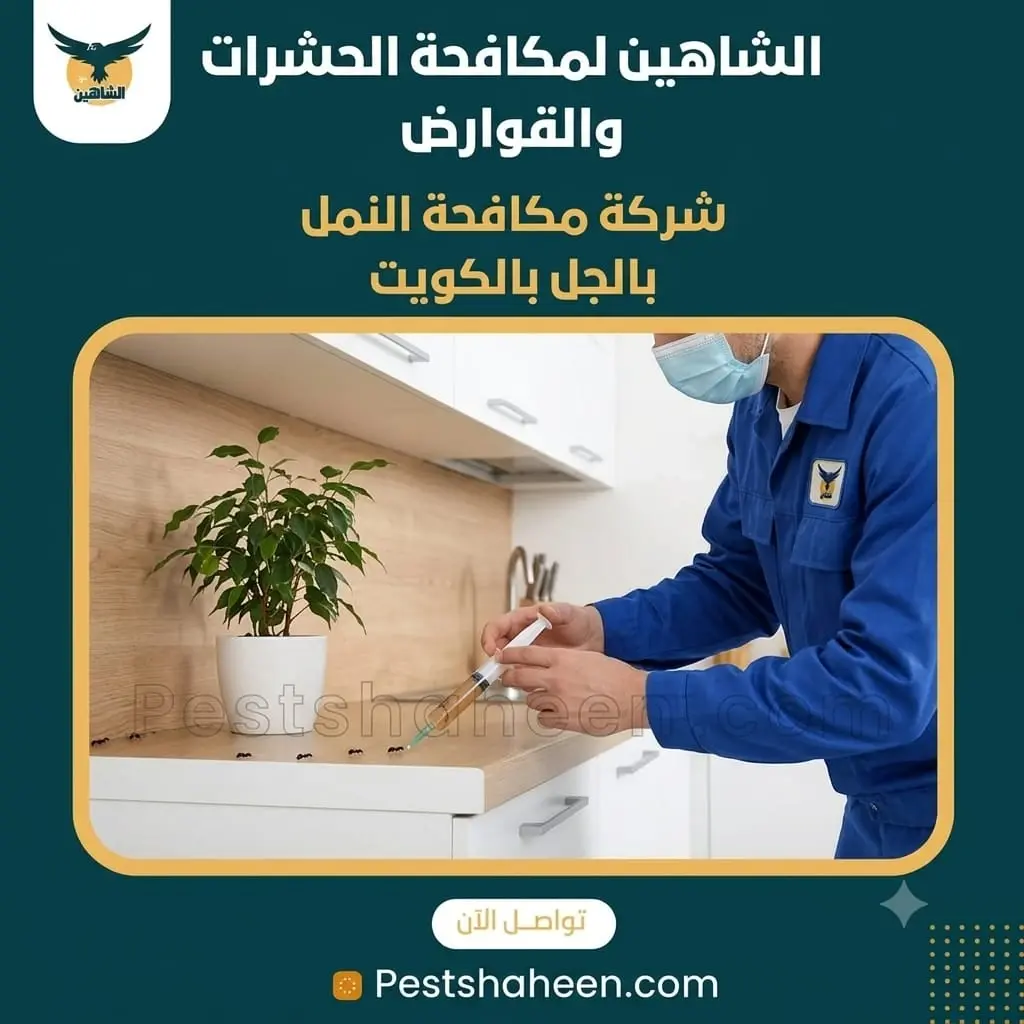
Ant control with gel uses a different approach from directly chasing and killing visible workers. Instead of focusing on every ant moving across the surface, the aim is to use feeding behavior and established trails to influence a deeper part of the infestation. This is one reason gel can be useful in some cases, particularly when the colony is believed to be inside a void or another area that cannot be reached directly.
This method also requires patience and monitoring. If a customer expects every ant to disappear within minutes, they may unintentionally disrupt the plan by spraying household pesticide over the trail or wiping the gel away. In such cases, the problem is not necessarily the product itself but what happens around the treatment afterward.
It is also important to remember that ant feeding preferences and behavior can vary depending on the species and environmental conditions. This means no single gel should be assumed to work equally well for every infestation. Product selection and use need to follow manufacturer instructions and be supported by a professional assessment of the activity.
In widespread infestations, gel may be one part of the plan without being the whole plan. There may also be outdoor entry points, moisture issues, or strong food sources that need to be addressed at the same time. Otherwise, the treatment relies heavily on bait while the surrounding environment continues encouraging activity.
-
Gel is used when worker feeding behavior and trail activity give the bait a realistic role in the treatment strategy
-
Repellent sprays are avoided around bait points because changing worker movement can reduce their ability to reach the gel
-
The treatment is given enough time to work according to the product instructions and professional plan rather than being judged only during the first few hours
-
In larger infestations gel is combined with management of food moisture and entry points instead of being relied on as the only control measure
Gel Bait for Ants
The idea behind gel bait for ants is that worker ants are attracted to a food-based bait containing an active ingredient in a product specifically designed for ant control. This formulation works differently from direct spraying, so it should not be treated as simply another version of the same type of pesticide.
The most important factor with bait is acceptance. If the ants do not feed on it, the gel will not provide the intended benefit regardless of how well-known the product is. This is why placement, competing food sources, and the condition of the gel after application all matter.
Bait points need to remain in suitable locations according to the product instructions and should not be exposed to constant water or cleaning. The gel also should not be placed on food preparation surfaces, inside food containers, or close to utensils.
Another common mistake is placing a large amount of gel in one location because more product is assumed to mean faster results. Professional use is based on product directions and carefully selected points rather than simply increasing quantity.
-
Bait is chosen from products intended and authorized for ant control instead of using random household substances as substitutes for professional gel
-
Gel points are placed in suitable locations connected to worker trails while remaining away from direct contact with food and utensils
-
Bait points are protected from repeated washing so the gel is not removed before it has had a chance to serve its intended purpose
-
Worker acceptance is monitored because simply having gel present does not help if ants ignore it or prefer another food source nearby
Ant Control Gel for Kitchens
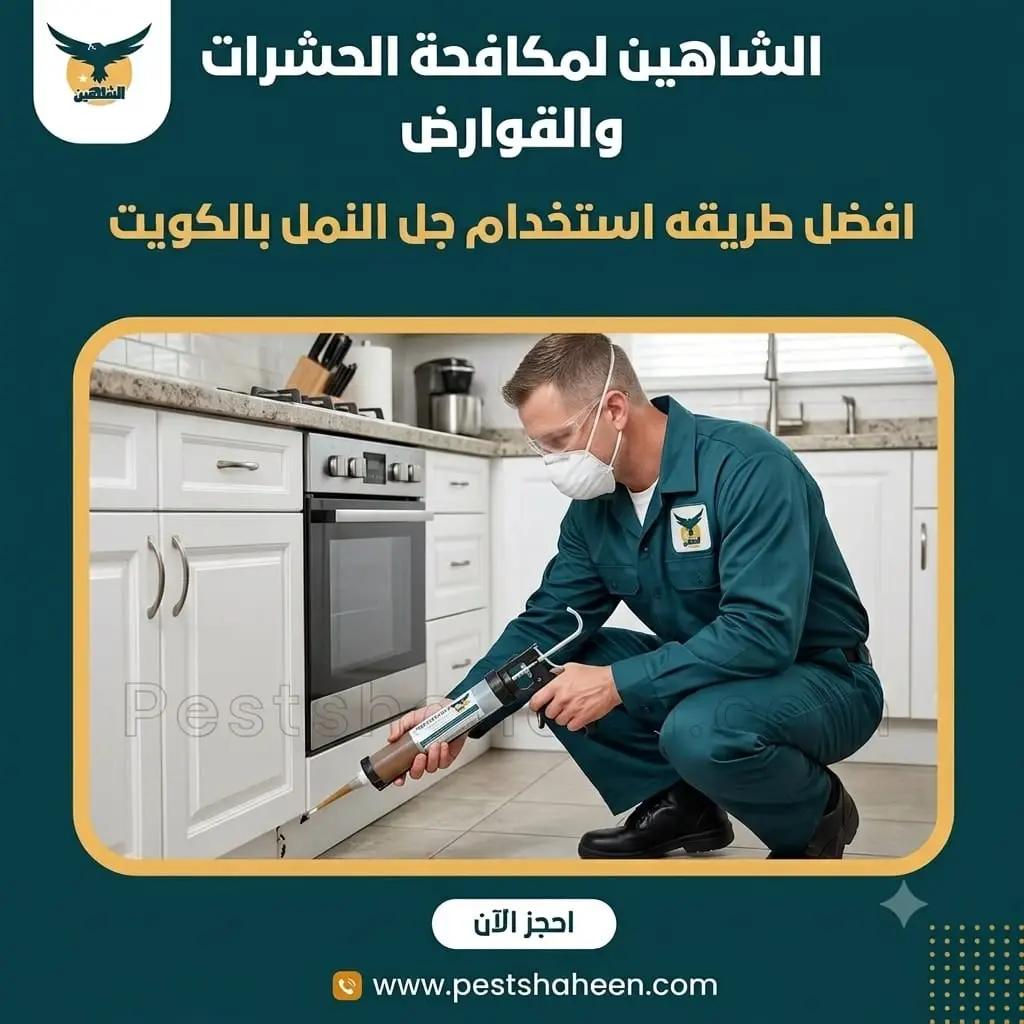
Using ant control gel for kitchens requires extra care because the kitchen is a sensitive environment where every application decision must consider food, preparation surfaces, and utensils. One advantage of gel in certain cases is that it allows treatment to be limited to small targeted points instead of expanding the treatment area unnecessarily. However, this does not mean the gel can be placed anywhere near food.
The first step is to identify the worker trail. If ants are moving behind a kitchen unit or through a protected joint away from preparation surfaces, that location may be suitable depending on the product instructions. If the trail runs across a countertop used every day, the solution is not to place gel directly on that countertop. Instead, the technician should look for a protected point connected to the same route.
Competing food sources also need to be reduced. If sugar is left open or crumbs are easily available around an appliance, workers may choose natural food over the bait and pay little attention to the gel.
After treatment, the customer should know which bait points need to remain untouched and which surfaces should stay clean and dedicated to food use.
-
Gel is placed in protected points linked to ant activity instead of being applied directly onto countertops or other food preparation surfaces
-
Competing food sources are reduced so worker ants are less likely to ignore the bait in favor of easier natural food
-
Food and kitchen utensils are kept outside the treatment area and product instructions are followed at every application point
-
Customers are shown which gel points should remain undisturbed so they do not accidentally remove the bait during routine cleaning and then assume the treatment failed
Ant Gel Price in Kuwait
The ant gel price in Kuwait should not be judged only by the cost of the product or by the amount of gel used. A professional service also includes assessing the infestation, identifying active trails, selecting appropriate treatment points, and monitoring results where necessary.
A simple infestation involving one stable trail is very different from a home with several routes, multiple cabinets, and activity in separate areas. Property type, the suspected colony location, and the number of treatment points can all affect the overall service scope.
Customers sometimes compare a person who places several gel dots quickly with a professional service that begins by inspecting the trail. The real difference is not the number of dots. It is whether those points are placed where worker ants are actually active and whether the treatment is based on a clear understanding of the infestation.
A lower price may not represent better value if bait is placed in inactive locations and the customer needs another treatment soon afterward.
-
Service cost is influenced by the spread of the infestation and the number of active areas more than by the amount of gel alone
-
Inspection adds value because a correctly placed bait point can be more useful than many gel points placed away from worker movement
-
Infestations involving several rooms or multiple levels may require a broader treatment plan than activity limited to one small area
-
The better comparison is between inspection treatment planning and follow-up rather than simply comparing the price of the gel product or the number of application points
Treating an Ant Colony with Gel
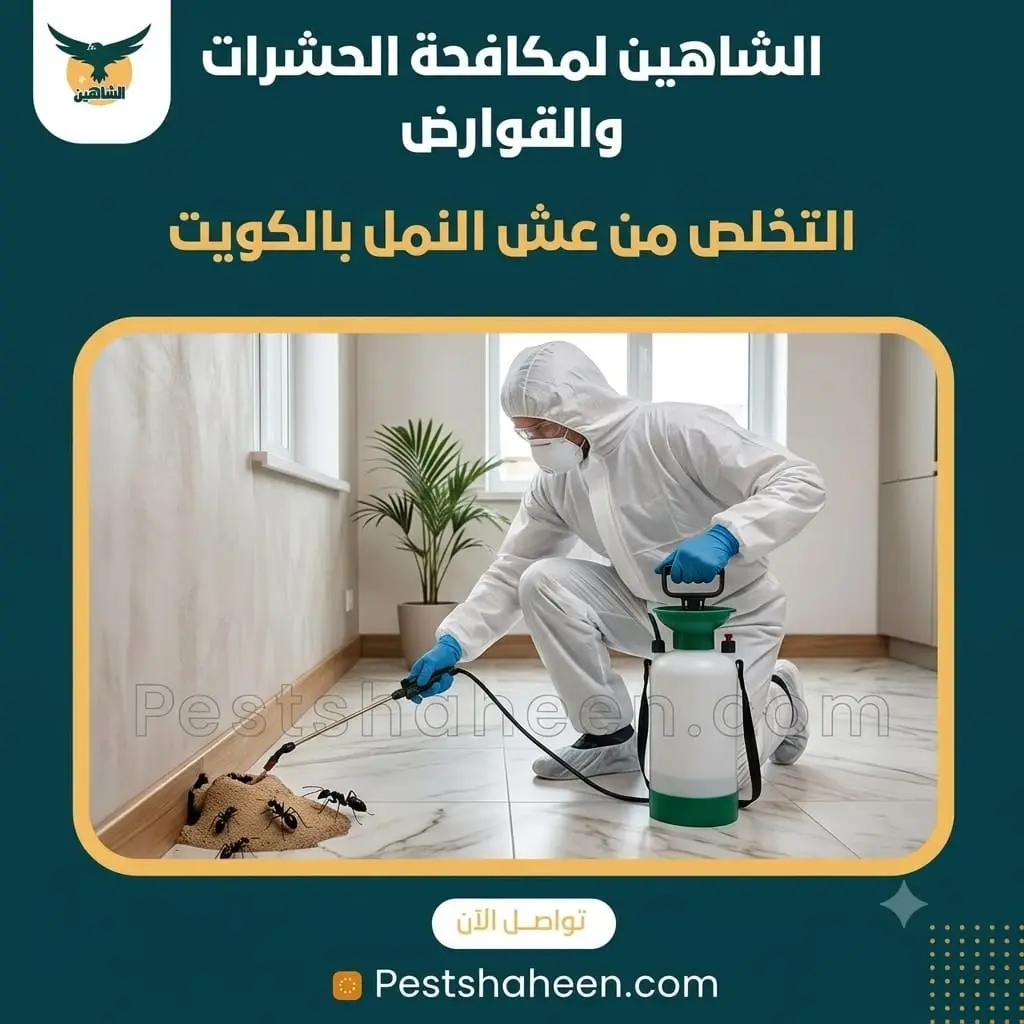
The purpose of treating an ant colony with gel is to influence activity connected to the colony instead of focusing only on the worker ants that are visible. However, this depends on workers accepting the bait and moving in a way that allows the treatment to become part of their normal colony activity.
When the trail is clear and the suspected colony is inside a void that is difficult to reach directly, gel may be a logical option in certain situations. However, if ants are active both indoors and outdoors or have several strong food sources available, the treatment plan may need to extend beyond gel alone.
Trail monitoring remains important after application. A gradual reduction in worker numbers and the disappearance of established routes provide stronger information than seeing a small group of ants die immediately.
The colony should not be judged on the first day only because response time can vary depending on the product, infestation, level of activity, and surrounding conditions.
-
Bait is positioned along active routes so there is a better chance of worker interaction instead of placing it far away from colony-related activity
-
A gradual reduction in movement is monitored rather than expecting an immediate result that does not match the way bait treatment works
-
If trails continue at the same strength food sources entry points and bait placement are reassessed before additional gel is applied
-
Colony treatment is combined with reducing attraction factors so the surrounding environment does not continue supporting activity while gel is being used
Using Ant Gel in Cracks
Professional use of ant gel in cracks starts with understanding that not every crack is a suitable application point. The presence of a gap in a wall does not mean ants are using it. A more suitable point is one connected to a known trail or a location where workers repeatedly disappear and where the product is allowed to be used according to the label.
Protected cracks can sometimes be useful because they reduce the chance of the gel being wiped away or exposed to water. However, they still need to be away from direct food-contact surfaces and placed according to requirements related to children and pets.
One mistake is placing gel inside a crack and then sealing the opening immediately. If the purpose is for workers to reach and feed on the bait, closing the route before the treatment has had a chance to work may block access completely.
Once activity is under control, entry gaps can be addressed as part of a wider prevention plan depending on the condition of the property.
-
Cracks are selected because they are linked to actual ant activity rather than filling every visible gap with gel without evidence
-
Product instructions are followed regarding where the gel may be used and application is avoided on unsuitable surfaces
-
Active routes are not sealed immediately when they form part of a baiting strategy because workers may still need access to the treatment point
-
After control is achieved structural gaps can be sealed where appropriate to reduce the chance of repeated entry through the same route
Best Way to Use Ant Gel
The best way to use ant gel is not one fixed formula that works in every home. The best method starts by diagnosing the activity, selecting a suitable product according to its instructions, placing it along genuine worker routes, and preventing interference from other products.
Before application, competing food sources should be reduced and suitable locations should be chosen where the gel will not be removed by constant cleaning. After application, worker interest and movement changes should be monitored.
The customer also has an important role. If the gel is wiped away, sprayed over, or moved from one place to another, the treatment outcome can change significantly. For this reason, aftercare instructions are part of the treatment rather than an optional extra.
Most importantly, gel should not become an automatic response every time one ant is seen. If the main issue is outdoor entry from a garden or doorway, treating the source may be more useful than continuing to place indoor bait.
-
Effective use starts with the worker trail and continues through monitoring instead of placing a large amount of gel and leaving without assessing what happens afterward
-
Bait points are kept away from direct cleaning according to product instructions so workers have enough opportunity to interact with them
-
Gel is not mixed randomly with repellent sprays or strong cleaning products around the same points because one method may interfere with the other
-
When the infestation does not suit gel treatment an alternative method is selected instead of insisting on gel simply because it worked in another property
Ant Gel Control Company in Kuwait
Choosing an ant gel control company in Kuwait should depend on how well the company understands baiting and ant behavior rather than on promises that gel will eliminate every problem. A professional company knows when gel is appropriate and when spraying, outdoor treatment, or reducing attraction sources may be more important.
At Al Shaheen, we begin by following the trails and asking what products the customer has already used, when the activity is strongest, whether children or pets use the area, and which locations are cleaned frequently. These details help determine whether gel points can remain effective and protected.
After treatment, the customer is told what should remain untouched, what can be cleaned, and what changes in activity should be monitored. If bait acceptance is weak or the trail shifts, the situation is reassessed instead of automatically repeating the same strategy.
The stronger company is not the one that places the largest number of gel dots. It is the one that knows why each point was selected, what response is expected from worker movement, and when the strategy needs to change.
-
A specialized company first decides whether gel actually suits the infestation instead of applying it as a standard service for every ant problem
-
Treatment locations are chosen according to worker movement while food sensitive surfaces and product instructions are carefully considered
-
Aftercare instructions are clearly explained so the bait is not accidentally removed or sprayed with another product that reduces its usefulness
-
The better company is willing to change the treatment plan when ant behavior shows that gel is not the right option instead of continuing with the same method simply because it was initially selected
Conclusion
Ant gel treatment in Kuwait and knowing when it is suitable for an infestation is a more useful question than simply asking whether gel is stronger than spraying. Gel works differently and is most useful when there is an active trail, worker ants that accept the bait, and suitable application points that remain away from exposed food and frequent cleaning.
At Al Shaheen, we do not start with the gel. We start with the infestation. We identify where the ants are moving, review food and moisture sources, ask what products have already been used, and then decide whether bait makes sense or whether another method would be more suitable.
Success is not measured by the number of gel points. One well-placed point along an active trail can be more useful than ten points placed where workers never travel. Likewise, using gel inside a kitchen or crack does not mean it can be applied anywhere. Following the product label and keeping applications within suitable locations are essential parts of professional use.
When gel is selected correctly, worker acceptance, activity changes, and the appearance of new trails are monitored. If the expected result does not develop, the answer is not to add more gel randomly. The infestation needs to be reassessed so the real cause can be identified.
Frequently Asked Questions
Is ant gel always better than spraying?
No. Gel is suitable for some infestations depending on the ant species, worker movement, and likely colony location, while other situations may need localized spraying, exterior treatment, or another control method.
When is ant gel a suitable treatment?
Gel is more useful when there is clear worker activity, a stable trail, a suitable protected placement point, limited disturbance from cleaning, and good bait acceptance by the ants.
Can ant gel be placed directly on a kitchen countertop?
Gel should not be placed on food preparation surfaces unless the specific product label allows that use in a clearly defined location. In most situations, protected points connected to the trail and away from food and utensils are more appropriate.
Why are the ants not eating the gel?
They may have access to a more attractive food source, the bait may not suit the current activity, the trail may have changed after spraying or cleaning, or the gel may have been placed away from the active route.
Should ants disappear on the first day after gel treatment?
Not necessarily. Bait treatment works differently from direct spraying, and worker activity may continue for a period before a clear reduction becomes noticeable depending on the product, infestation, and treatment plan.
Can I spray pesticide while using ant gel?
Using a repellent spray close to gel points can change worker movement and reduce their ability to reach the bait. Different products should not be combined randomly, and the treatment plan and product instructions should be followed.
Can ant gel be used inside cracks?
It may be suitable in certain cracks connected to ant activity if the product instructions permit that use. However, not every crack needs gel and the product should not be placed randomly into every available opening.
What determines the cost of ant gel treatment?
The spread of the infestation, number of active areas, suspected colony location, property size, and the need for follow-up all influence the service cost more than the amount of gel used alone.
Does using more gel produce faster results?
Not necessarily. Treatment success depends more on correct placement, worker bait acceptance, and following the product instructions than on simply increasing the amount applied.
How do I choose an ant gel control company?
Choose a company that inspects the worker trail first, decides whether gel is actually suitable, explains where the bait will be applied, and gives clear aftercare instructions instead of using the same gel treatment for every ant infestation.