Dust Mite Control for Mattresses and Upholstery in Kuwait
Dust mites in mattresses and furnishings are very different from insects that can be seen crawling across a bed or sofa. House dust mites are microscopic organisms that are closely associated with dust, shed skin cells, and warm, humid indoor environments, especially inside mattresses, upholstered furniture, and carpets. This is why dust mite control for mattresses and upholstery in Kuwait should not depend on a quick spray alone. It requires reducing the conditions that allow mites to persist inside the home. At Al Shaheen, we begin by identifying the areas that collect the most dust and the fabrics used most frequently, then review humidity and cleaning habits before creating a practical plan for mattresses, sofas, carpets, and bedrooms without confusing dust mites with bed bugs or clothes moths and without spraying sleeping surfaces with products that are not intended for that use.
Dust Mite Control for Upholstery in Kuwait
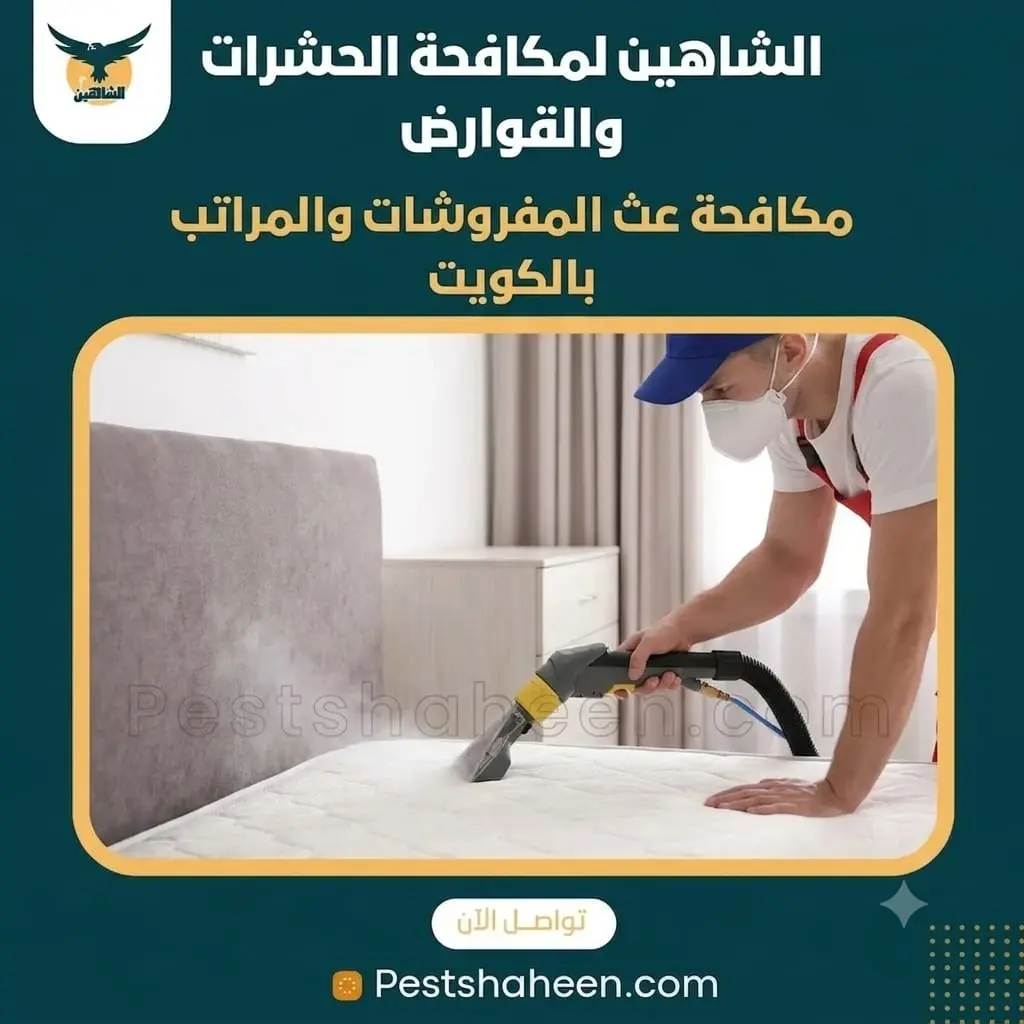
Effective dust mite control for upholstery in Kuwait starts with correct identification because people often use the word “mites” for any small pest associated with beds or furniture, even though house dust mites are completely different from bed bugs and clothes moths. Dust mites are microscopic and are not diagnosed by seeing an insect jumping or crawling across a sofa. They are more closely associated with environments where dust and shed skin cells accumulate, including upholstered furniture, mattresses, and carpets.
When we inspect a home where dust mites are suspected, the first question is not simply “Where is the insect?” The more important questions are: What kind of furniture is present? Is there heavily upholstered seating? Does carpet cover large areas? How is the furniture cleaned? Is the room humid or poorly ventilated? These details help explain why the indoor environment may be supporting dust mite populations.
One common mistake is treating every piece of upholstery as if it automatically needs pesticide application. In reality, reducing dust, controlling humidity, and cleaning washable or vacuumable surfaces regularly are fundamental parts of managing house dust mites. Vacuuming with suitable filtration can help reduce surface dust, but it should not be presented as a method that completely removes every mite or allergen from deep inside upholstered materials.
At Al Shaheen, we prioritize areas according to how heavily they are used and the type of fabric rather than turning every living room and bedroom into one large spraying zone. A sofa used every day requires different attention from a fabric chair in a room that is rarely occupied.
-
Dust mites are distinguished from bed bugs and clothes moths before any plan is created because each pest has a completely different biology and control strategy
-
Frequently used upholstered furniture receives greater attention because it tends to collect more dust and shed skin than items that are rarely used
-
Humidity cleaning practices and fabric type are assessed together instead of searching for one pesticide that is expected to solve the problem regardless of indoor conditions
-
The realistic objective is to reduce dust mite-friendly conditions and lower exposure over time rather than create the false impression that one treatment can make all upholstery permanently mite-free
Dust Mite Control for Mattresses in Kuwait
Dust mite control for mattresses in Kuwait requires special attention because mattresses are used for many hours every day and gradually collect dust, shed skin cells, and microscopic debris that can support house dust mites, especially in warm and humid bedrooms. For this reason, the mattress and the wider sleeping environment are among the most important areas in any dust mite reduction plan.
The first step is not automatically spraying the mattress surface. Instead, the way the mattress is used and maintained should be reviewed. Does it have a washable protective cover? Are sheets changed regularly? Does the bed base collect heavy dust? Is the mattress surrounded by furniture or stored items that make regular cleaning difficult?
One widely recommended approach is the use of tightly woven or allergen-resistant covers designed for mattresses and pillows, together with regular washing of bedding. Medical guidance commonly recommends washing bed linen weekly in hot water, around 54°C or above when the fabric care instructions allow it, because this can help reduce dust mites and their allergens.
Humidity control is another major factor. Keeping indoor relative humidity below approximately 50% makes the environment less favorable for dust mites. In Kuwait, air conditioning can help, but closed bedrooms, persistent moisture, and poor ventilation can still create conditions that support mite activity.
At Al Shaheen, we do not promise that vacuuming or spraying a mattress once will solve the problem completely. We focus on an ongoing plan that combines washing, protective covers, cleaning, and humidity management because these measures work together.
-
The mattress is treated as part of the entire sleeping environment including pillows the bed base bedding and the surrounding floor area
-
Allergen-resistant mattress and pillow covers can form part of the long-term plan because they help reduce direct exposure to material accumulated inside mattresses and pillows
-
Bedding is washed according to the care instructions while using appropriate temperatures when the fabric can tolerate them rather than damaging textiles with unsuitable methods
-
Reducing bedroom humidity is treated as a core part of the control plan because it changes the conditions that allow dust mites to persist instead of focusing only on the mattress surface
Upholstery Dust Mite Control Company
Choosing an upholstery dust mite control company should be based on whether the company understands the problem scientifically rather than on an advertisement promising to spray mattresses and eliminate mites permanently. A professional company should understand that dust mites are different from visible household insects and that controlling them depends heavily on indoor environmental management, regular cleaning, humidity reduction, and minimizing dust accumulation.
One of the first signs of a knowledgeable company is that it asks what the customer is actually experiencing. Has the customer physically seen an insect? If so, the issue may be bed bugs or another pest rather than dust mites. Is the concern mainly related to dusty furnishings, dense fabrics, and humid rooms? That points in a different direction.
The company should also distinguish environmental pest control from medical diagnosis. Dust mites and their waste can be associated with allergic symptoms in sensitive individuals, but a pest control company cannot diagnose allergy or asthma. If someone has ongoing respiratory or allergic symptoms, medical assessment belongs to a physician.
A responsible company also does not automatically apply chemical products to every sofa and mattress. Before any product is used, the label must clearly allow application to the intended surface, and the manufacturer’s care instructions for the furniture should also be considered.
At Al Shaheen, we believe the stronger service is the one that helps the customer understand what needs to change inside the home instead of making them depend on repeated spray visits without addressing the environmental factors behind the problem.
-
A professional company first confirms that the concern is consistent with dust mites rather than bed bugs or another textile-related pest that requires a different strategy
-
Humidity cleaning practices carpets and upholstery are evaluated before chemical application is considered because these factors strongly influence dust mite conditions
-
Allergic or respiratory symptoms are left to medical professionals while the pest control company remains focused on the indoor environment
-
The better company provides a practical long-term management plan instead of selling a single spray application as a permanent solution to a problem driven largely by household conditions
Getting Rid of Dust Mites in Bedding
The phrase getting rid of dust mites in bedding needs to be understood realistically because the practical objective is usually to reduce mite numbers and allergen exposure in the sleeping environment rather than promise that every mite will be completely eliminated from the home. These microscopic organisms are closely associated with household dust and can exist at different levels in many indoor environments.
The process starts with items that remain in close contact with the sleeper for long periods, including sheets, pillowcases, and blankets. Washing these regularly according to the fabric instructions reduces dust buildup and mite-related material instead of allowing the same bedding conditions to continue for weeks or months.
Mattresses and pillows can also be protected with suitable covers when the goal is to reduce exposure over time. Specially designed encasements act as an additional barrier while the external surfaces continue to be cleaned regularly.
Dust beneath and around the bed matters as well. Cleaning only the mattress while leaving the floor, curtains, carpets, and clutter around the bed heavily covered with dust reduces the overall value of the plan.
If a bedroom contains thick carpeting and large amounts of fabric that are difficult to wash, dust management may be more challenging. In some cases, reducing dust-collecting items can make routine cleaning more effective.
-
Bedding pillows blankets and the surrounding bedroom environment are managed as one zone rather than cleaning the mattress while leaving other dust reservoirs unchanged
-
Regular washing of bedding is more effective as an ongoing habit than waiting for a problem and performing one intensive cleaning session
-
Reducing clutter and dust-collecting items around the bed makes routine cleaning easier and prevents inaccessible dust layers from building up
-
The realistic goal is to lower dust mite numbers and exposure consistently rather than promise total permanent elimination that does not reflect the nature of the indoor environment
Spraying Mattresses Against Dust Mites
Spraying mattresses against dust mites requires particular caution because a mattress is a sleeping surface that remains in close contact with skin for many hours. It is not appropriate to apply any household pesticide simply because the label mentions insect control. A product must specifically allow the intended use, and all label directions should be followed exactly.
In many cases, washing bedding, using protective covers, cleaning the bedroom, and lowering humidity are more important than making mattress spraying the center of the treatment plan. These measures are widely recognized as core methods for reducing house dust mites and exposure to their allergens.
If a professional product is suitable for a particular sleeping surface, it should only be used in the locations and manner permitted on its label. The concentration should not be increased, and the mattress should not be soaked under the assumption that more product will create a stronger result.
It is also important to recognize that some customers say they have “mites” when they are actually seeing bed bugs. If a visible insect is present or there are clear signs associated with a visible pest, the diagnosis changes and the treatment plan needs to be reconsidered entirely.
At Al Shaheen, spraying is not the starting point. Correct identification comes first, and only then do we determine whether any product is necessary at all or whether environmental management is the more appropriate approach.
-
No pesticide is applied to a sleeping surface unless the product is specifically intended and labeled for that type of use
-
Using a larger amount of product does not mean better control and can leave unnecessary residues on a surface used for many hours
-
Bedding washing humidity reduction and dust management remain central to the control plan even when a suitable product is used as an additional measure
-
Seeing a visible insect on the mattress requires a fresh diagnosis because house dust mites are microscopic and the problem may actually be bed bugs or another pest
Treating Dust Mites in Sofas
Treating dust mites in sofas starts with understanding how the sofa is constructed. Upholstered furniture contains fabric, padding, seams, spaces between cushions, and hidden sections where dust and shed skin can collect through daily use.
A practical first step is regular vacuuming of the surface, seams, and spaces between cushions using appropriate equipment. Vacuuming helps remove surface dust, but it should not be described as a method that extracts every mite or allergen from deep inside the padding. Specialist guidance generally recognizes that vacuuming is more effective at reducing surface dust than completely removing all mite material from upholstery.
Removable washable covers are easier to manage than permanently attached fabric. If the care instructions allow the covers to be washed, they should be cleaned according to the appropriate method for the material rather than exposed to heat that could cause shrinkage or discoloration.
Moisture introduced during aggressive cleaning also needs attention. Leaving upholstery damp after washing is not desirable because house dust mites prefer humid conditions.
If a sofa is very old and contains heavy dust deep inside the filling, surface cleaning may have limited value on its own. In such cases, the homeowner may need to consider professional upholstery cleaning appropriate for the specific furniture.
-
Seams cushion gaps and heavily used sitting areas are vacuumed carefully because they collect more dust than sections that are rarely touched
-
Washable covers are cleaned according to their care labels so colors sizing and fabric structure are not damaged by unsuitable cleaning
-
Complete drying after any wet cleaning is important because leaving padding damp creates conditions that work against the goal of reducing dust mites
-
Surface cleaning is not presented as a method that removes every mite from deep inside upholstered furniture because successful management depends on continuous dust and humidity control
Dust Mite Control in Carpets
Dust mite control in carpets is different from mattress cleaning because carpets provide a large surface area where dust particles can continuously settle between fibers. Carpets in bedrooms and heavily used areas may retain more dust than hard flooring.
Regular vacuuming with suitable equipment helps reduce surface dust. A vacuum with HEPA filtration or another high-efficiency filtration system can help reduce the amount of fine dust that is redistributed into the air during cleaning.
Washable rugs offer more cleaning options than fixed wall-to-wall carpeting, but they still need to dry completely after washing. A damp rug or moisture trapped underneath it creates conditions that do not support the goal of reducing humidity.
In bedrooms used by people with significant dust mite allergy, medical guidance may sometimes recommend reducing carpeting because hard flooring is generally easier to keep free of dust. This is a decision that depends on the household, the resident’s needs, and the level of dust accumulation rather than a rule that everyone must remove carpeting.
At Al Shaheen, we assess carpets according to their location, level of use, and how easy they are to maintain rather than treating carpet itself as the only cause of the problem.
-
Carpets in bedrooms and frequently used sitting areas receive greater attention than rugs located in spaces that are rarely used
-
Vacuuming with effective filtration helps reduce airborne dust during cleaning but it needs to be part of a regular routine rather than a one-time action
-
Any washed carpet needs to dry completely so the cleaning process itself does not create additional indoor humidity
-
Removing carpeting is not an automatic recommendation for every home and should be weighed according to dust accumulation cleaning difficulty and the needs of the residents
Dust Mites in Upholstered Furniture
Dust mites in upholstered furniture are more closely related to fabric type, internal padding, and daily use than to the age or appearance of the furniture alone. A new chair used for several hours every day may collect more dust and shed skin than an older sofa located in a guest room that is rarely used.
This means frequency of use and ease of cleaning matter greatly. Furniture with removable cushion covers provides more cleaning options than upholstery that is completely fixed. The space beneath and behind the furniture is also part of the plan because those areas often collect dust without being visible during normal cleaning.
One mistake is using large amounts of steam or water on every piece of furniture without checking the manufacturer’s care instructions. Some materials cannot tolerate that approach, while internal padding can retain moisture for a long time.
Fragrances and deodorizing products should not be treated as dust mite control either. The smell of a sofa does not tell you whether dust mites are present, and scented products do not replace dust and humidity management.
If upholstered furniture is creating ongoing concerns for a person with a confirmed allergy, medical advice may help guide exposure-reduction decisions while the pest control company remains focused on environmental management.
-
How frequently furniture is used matters more than age alone because constant contact leads to greater accumulation of shed skin and household dust
-
Areas beneath and behind upholstered furniture are included in cleaning because hidden dust can remain there for years when only visible surfaces are maintained
-
Water and steam are used only when the manufacturer’s instructions allow them so internal padding is not left damp and difficult to dry
-
Fragrances and deodorizers are not treated as mite-control methods because dust mite conditions are linked to humidity and dust rather than the smell of upholstery
Dust Mite Treatment in Bedrooms
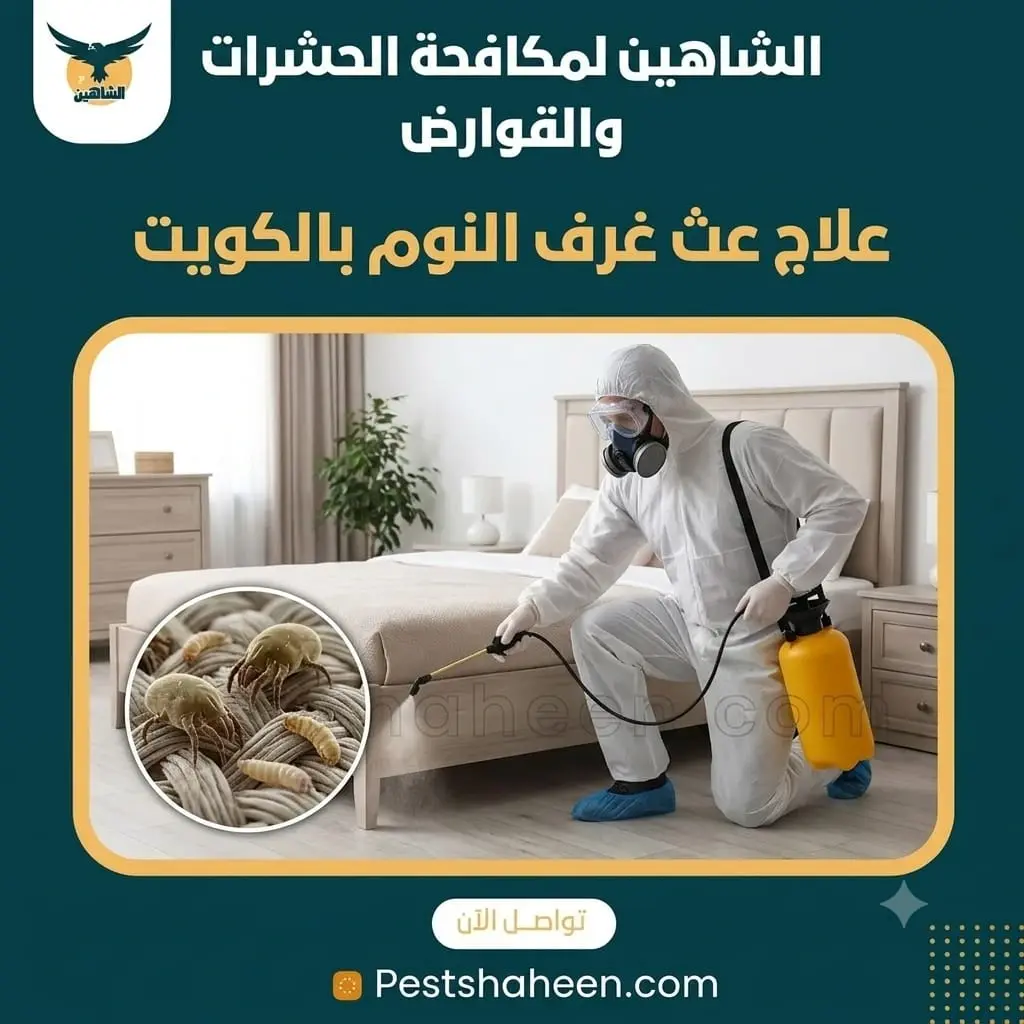
Dust mite treatment in bedrooms is more effective when the entire room is managed rather than concentrating only on the mattress. A bedroom contains pillows, blankets, curtains, carpets, upholstered furniture, and personal belongings, all of which can collect dust to different degrees.
The bed is usually the first priority because it is used for the longest continuous period. After that, the floor, space beneath the bed, bedside tables, curtains, and upholstered furniture should be reviewed. Reducing unnecessary dust-collecting items makes routine cleaning quicker and more effective.
Humidity is especially important. Specialist guidance generally recommends keeping indoor relative humidity below 50% to make conditions less favorable for house dust mites. Air conditioning helps significantly in Kuwait, but closed rooms, persistent dampness, or poor ventilation can still allow humidity to remain elevated.
Using a damp cloth for dusting can help reduce the amount of dust that becomes airborne compared with dry dusting. Cleaning air-conditioning filters according to the appliance manufacturer’s recommendations can also support better dust management in the room.
If a resident has persistent allergic or respiratory symptoms, a pest control company should not diagnose the cause because many different conditions can produce similar symptoms. Medical diagnosis belongs to a physician.
-
The bedroom is managed as a complete environment including the bed floor curtains furniture and surrounding surfaces rather than treating the mattress as the only source
-
Keeping relative humidity at an appropriate lower level is a central part of the plan because warm humid conditions are more favorable for dust mites
-
Damp dusting methods that reduce airborne particles are preferred over dry dusting that simply moves particles around the room
-
Persistent respiratory or allergic symptoms should be medically assessed while the pest control company remains focused on environmental dust and mite reduction
Dust Mite Control Price for Upholstery
The dust mite control price for upholstery depends on the number of mattresses, sofas, carpeted areas, condition of the furnishings, and the exact service required. A home with two mattresses and one sofa is very different from a villa with several bedrooms, multiple living rooms, upholstered seating, and large carpeted areas.
The type of service also changes the cost. Inspection and targeted cleaning differ from a broader service involving several furniture items or specialized cleaning equipment.
Customers should understand exactly what is included. Is the service limited to inspection and assessment? Does it include deep cleaning? Does it cover mattresses only or also sofas and carpets? Is a follow-up visit included?
Pricing should also not be based on promises of permanently eliminating every dust mite because the problem is closely linked to household conditions and can increase again if dust, humidity, and cleaning habits remain unchanged.
The cheapest service may be little more than a quick spray that does not address the home environment, while the highest price is not automatically proof of quality if the company cannot explain what it will actually do.
At Al Shaheen, we connect the cost to the number of items and the real service scope while also explaining what the customer can continue doing after the visit so the benefit does not disappear when the technician leaves.
-
The number of mattresses sofas and carpeted areas directly affects the service scope because every item requires assessment according to its material and condition
-
The exact service needs to be clear because inspection alone is different from cleaning or any additional treatment that may be suitable for specific furnishings
-
A professional quotation identifies the rooms and furniture included rather than simply using a vague phrase such as whole-home dust mite treatment
-
Better value comes from a service that combines professional work with an ongoing household plan for reducing dust and humidity rather than repeated spray visits without changing the underlying conditions
Conclusion
Dust mite control for mattresses and upholstery in Kuwait is not about chasing a visible insect with pesticide. House dust mites are microscopic and are more successful in indoor environments that collect dust, retain suitable organic material, and maintain higher humidity. This is why the stronger strategy starts with understanding the home itself.
At Al Shaheen, we first distinguish house dust mites from bed bugs and clothes moths, then review mattresses, sofas, carpets, bedrooms, dust accumulation, and humidity to identify the areas that deserve the most attention.
Regular bedding washing, suitable mattress and pillow covers, lower indoor humidity, and consistent cleaning of furniture and carpets are all important parts of long-term management. Relying on spraying alone does not address those environmental factors.
If a customer experiences persistent allergy or asthma symptoms, medical diagnosis and treatment remain the responsibility of a physician. The pest control company’s role is to improve the indoor environment and reduce conditions associated with dust mite buildup without making medical promises or applying products to mattresses and furnishings outside their approved instructions.
Frequently Asked Questions
Are mattress dust mites the same as bed bugs?
No. House dust mites are microscopic and extremely difficult to see with the naked eye, while bed bugs are completely different insects that can be seen and require a different control strategy.
Do upholstery dust mites eat fabric like clothes moths?
No. House dust mites mainly feed on microscopic organic material such as shed skin cells and do not create holes in clothing the way clothes moth larvae can.
Is spraying the mattress enough to eliminate dust mites?
No. Spraying alone is not considered the foundation of dust mite management. Bedding cleaning, regular washing, humidity control, and dust reduction are all important, and any product used on a mattress must be specifically intended for that surface.
What indoor humidity level helps reduce dust mites?
Specialist guidance generally recommends keeping indoor relative humidity below 50% where practical because dust mites survive more successfully in warm and humid environments.
Does washing sheets help reduce dust mites?
Yes. Regularly washing bedding can help reduce dust mites and their allergens. Hot-water washing at around 54°C or above may be helpful when the fabric care instructions allow that temperature.
Can a vacuum cleaner completely remove dust mites from upholstery?
No. Vacuuming can reduce surface dust and some mite-related material, but it should not be treated as a method that removes every mite or allergen from deep inside mattresses or upholstered furniture.
Does dust mite activity in carpet mean the carpet must be removed?
Not necessarily. The decision depends on dust accumulation, room use, cleaning difficulty, and the needs of the residents. Hard flooring is generally easier to maintain, but carpet removal is not automatically required in every home.
Is steam suitable for every sofa and mattress?
No. Manufacturer care instructions need to be checked because some fabrics and fillings may be damaged or retain moisture if steam or excessive water is used incorrectly.
What determines the cost of dust mite control for upholstery?
The number of mattresses and sofas, carpet area, condition of furnishings, and the type of inspection, cleaning, or additional treatment required all influence the final price.
How do I choose a dust mite control company?
Choose a company that can distinguish house dust mites from bed bugs, checks humidity, cleaning habits, mattresses, sofas, and carpets before recommending any product, and provides an ongoing environmental management plan instead of presenting pesticide spraying as the only solution.