Hotel Apartment Pest Control in Kuwait Without Guest Disruption
Hotel apartments have a different operating model from traditional hotels because a single unit may include a bedroom, kitchen, bathroom, living area, washing machine, and furniture used by different guests throughout the month. For that reason, pest control for hotel apartments in Kuwait requires careful organization that balances effective treatment with guest comfort and uninterrupted bookings. Not every insect sighting requires spraying the entire unit, and not every treatment requires several apartments to be taken out of service. The correct approach begins by identifying the insect species, where the activity is occurring, and when it was noticed, then selecting an appropriate procedure for the affected unit while making use of periods between bookings whenever possible. Through Shaheen Pest Control, you can inquire about a service suited to furnished accommodation and the operating system of your property.
Pest Control for Hotel Apartments in Kuwait
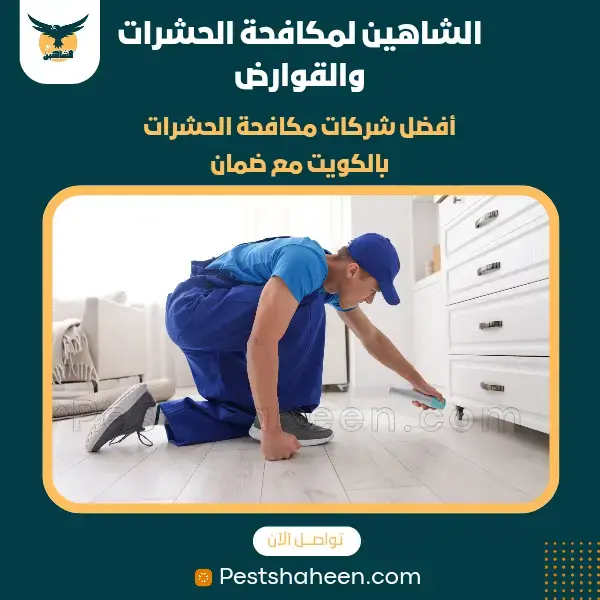
Pest control for hotel apartments in Kuwait requires a different approach from ordinary residential apartments because guests change regularly, bringing luggage and personal belongings with them, while the unit must often be cleaned and prepared within a limited period before the next arrival. This operating cycle makes early inspection particularly important because discovering a small problem while preparing the unit gives management an opportunity to deal with it before the apartment is handed over to another guest.
The first step is to identify where the insect was found instead of treating the entire unit as though every room is affected. If small cockroaches appear inside the kitchen, for example, the area around the refrigerator, sink cabinets, utility openings, and moisture sources should be inspected. If the complaint is associated with the bed, the priorities change, and attention should focus on the mattress, bed frame, headboard, and nearby furniture while confirming the insect species before choosing a treatment.
One advantage of hotel apartments is that management usually knows guest departure and arrival times, which helps organize inspections and treatments during the normal turnover period instead of carrying out disruptive work while a guest is staying in the unit. However, this does not mean that a confirmed problem in an occupied apartment should automatically be delayed until checkout because some situations require earlier action depending on the pest species and the location of the activity.
A common operational example is when a guest reports small insects inside the kitchen while no signs are found elsewhere in the apartment. In that situation, the better decision is not to spray the bedroom and living room as a precaution. The kitchen should be inspected to determine the source of activity, and the treatment scope should then be selected according to the findings so pest control products are not applied in areas that do not need them.
Hotel apartment management should also record the unit number, the exact location of the observation, the date, and the procedure carried out. These records help reveal whether the problem repeatedly occurs in the same apartment or appears across several units because of a shared source such as a utility passage or waste area.
-
Pest control inside hotel apartments should begin by identifying the unit and the exact activity location and the insect species before selecting a treatment method so the intervention addresses the actual problem rather than unnecessarily taking rooms or facilities out of service
-
Using the period between one guest leaving and the next guest arriving provides a better opportunity for inspection and cleaning and treatment when necessary while the required waiting period and ventilation instructions for the product used must still be completed before the unit is assigned again
-
Recording complaints by apartment number and insect location helps property management identify recurring cases and determine whether the problem is limited to one unit or connected to a shared source that requires a broader inspection
Hotel Apartment Spraying Company in Kuwait
Choosing a hotel apartment spraying company in Kuwait should not be based on whether the company can spray the largest number of units in the shortest possible time because this approach is not always appropriate for furnished accommodation. The service should begin with an inspection that identifies the pest species and determines whether the unit actually needs spraying, a localized treatment, cleaning of an infestation source, or another method more suitable for the situation.
Before agreeing to the service, give the company a clear picture of how the property operates. Explain how many units there are, which apartments are currently occupied, whether the problem usually appears after checkout or during a guest stay, and whether complaints repeatedly come from the same units. These details help establish priorities and prevent the use of a general treatment plan across all apartments without a clear reason.
You should also ask what the cleaning team needs to do before the technician arrives. Some treatments may require food products to be removed, kitchen utensils to be covered, or bedding to be handled in a specific way. In other situations, it may be better to leave the area as it is until the inspection takes place so that signs useful for identifying the source are not accidentally removed.
For example, if a property contains fifteen apartments and confirmed insect activity is found in only two of them, it is not automatically reasonable to carry out comprehensive spraying in the remaining thirteen units. The better approach is to assess why the infestation appeared in those two apartments and inspect related locations according to the pest involved before deciding whether the inspection scope needs to be expanded.
It is also important to understand how the company handles occupied units. Can an inspection be carried out with minimal disruption to the guest? If the apartment needs to be temporarily vacated, what procedures must be completed before it can be used again? These details are more important than a quick promise that the insects will disappear immediately because they directly affect guest safety and normal property operations.
You can contact Shaheen Pest Control to inquire about pest control services for hotel apartments in Kuwait and discuss the number of units, the type of complaints being received, and the appropriate inspection scope before agreeing to treatment.
-
A company suitable for hotel apartments should distinguish between a unit that requires active treatment and a unit that only requires monitoring so spraying is not applied throughout the property simply because one complaint has been received
-
Occupied and vacant apartments and guest arrival and departure schedules should be identified before work begins so visits can be organized in a way that reduces the effect of pest control on bookings while protecting the privacy of guests who remain on the premises
-
Before agreeing to the service ask how the company responds when pest activity continues after treatment and how follow-up inspections are handled because evaluating the result requires reviewing new signs rather than simply assuming the problem has ended after several days without a complaint
Bed Bug Control in Hotel Apartments
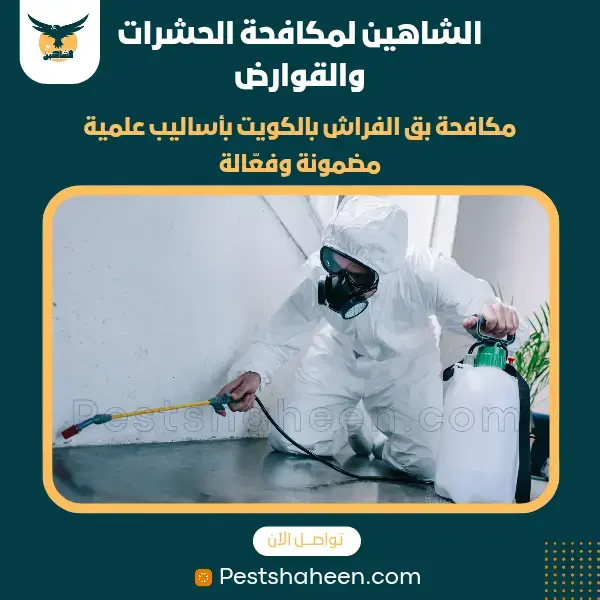
Bed bug control in hotel apartments requires particular attention because these insects are associated with sleeping areas and may travel from one location to another in luggage and clothing. One of the biggest mistakes is for an employee to see an insect on a bed and immediately move the mattress into the corridor or transfer bedding to another unit before the insect has been identified because such actions may expand the problem instead of containing it.
If a guest reports skin marks that they believe are bed bug bites, the infestation should not be confirmed from the appearance of the skin alone. The mattress and its seams, the bed frame, the headboard, and nearby furniture should be inspected for evidence that supports the identification, such as the insect itself or other signs associated with its activity. Verification is important because skin irritation has many possible causes, and a unit should not be closed or treated solely because of a skin complaint.
In a realistic operating situation, a guest may check out and tell the reception team that they noticed small insects during the final night of their stay. Instead of preparing the apartment for the next booking as usual, the unit should be temporarily held from reassignment until it has been inspected. If bed bugs are confirmed, the extent of the infestation should be determined, and bedding, luggage left behind, or other affected belongings should be handled in a way that reduces the possibility of transferring insects to cleaning carts or linen storage areas.
Bedding should not be carried uncovered through corridors when a confirmed infestation is present. Collection and transportation procedures need to be organized so the insects are less likely to spread to other parts of the property, with clear coordination between pest control personnel and housekeeping or the team responsible for preparing the apartments.
The treatment method depends on the extent of the infestation and the nature of the furniture and may involve more than one control approach according to the situation. For that reason, spraying the mattress alone or using a household insecticide is not an adequate plan because bed bugs can hide in narrow spaces and may require a broader treatment program carried out according to appropriate instructions.
After treatment, the apartment should not automatically be returned to the booking system simply because no insects are immediately visible. The required treatment steps must be completed, and the unit should be monitored according to the plan established for that specific infestation.
-
When bed bugs are suspected the unit should temporarily be held from the next booking until an inspection confirms the insect species because rushing to assign the apartment to another guest may expose that guest to a problem that could have been discovered during turnover
-
Bedding from an affected unit should be transported in an organized way that prevents exposed fabrics from being carried between apartments and corridors while suspected linen should not be mixed directly with ordinary laundry before the correct handling procedure has been determined
-
Successful bed bug control depends on inspecting hiding places around the bed and determining the extent of the infestation and completing the required follow-up rather than focusing only on the mattress surface or treating the disappearance of visible insects as final proof that the problem has ended
Cockroach Control in Hotel Apartments
Cockroach control in hotel apartments requires identifying the source of activity inside the unit because seeing cockroaches in a small kitchen or bathroom does not mean that the entire apartment should automatically be sprayed. Furnished apartments commonly contain refrigerators, sinks, cabinets, electrical appliances, drainage pipes, and water lines, and all of these areas may provide hiding places, moisture, or food residues if they are not carefully cleaned and inspected between bookings.
If the cleaning team notices small cockroaches around the sink after a guest checks out, the better approach is not to immediately spray visible surfaces. The cabinet beneath the sink, spaces surrounding pipes, cabinet edges, and the area behind the refrigerator should first be inspected, while checking for leaks or food residues in areas that may not be reached during routine cleaning.
Repeated cockroach activity inside the same apartment is important when evaluating the problem. If a unit has been cleaned and treated but cockroaches later appear again in the same location, the cause may be connected to a utility opening, a shared void between units, or a continuing moisture source. In that situation, reassessing the underlying cause is more useful than repeating exactly the same treatment without changing anything.
Property management should also pay attention to appliances that remain operating for long periods, such as refrigerators and small food preparation appliances, because heat and confined spaces around them may provide hiding conditions for certain cockroach species. However, electrical appliances should not be opened or sprayed internally because equipment needs to be handled in a way that preserves its safety.
Coordination becomes even more important in occupied apartments. If the infestation is limited to the kitchen, it may be possible to treat the affected area in a controlled manner while keeping the guest away according to the requirements of the procedure rather than unnecessarily taking the entire apartment out of service. If activity appears in several sections, the situation requires a broader assessment before deciding when the unit can safely return to normal use.
-
Cockroaches appearing near the sink require inspection of cabinets and utility connections and moisture sources before selecting a treatment method so the location allowing insects to hide is addressed instead of only eliminating the individuals that are visible
-
Repeated activity in the same apartment after cleaning and treatment requires reviewing shared voids and utility routes and the condition of leaks so the same procedure is not repeatedly used while the underlying cause remains unchanged
-
Electrical appliances inside hotel apartments require inspection of the surrounding area without spraying products into their openings or electrical connections because cockroach control must protect the equipment and prevent guests from being unintentionally exposed to pest control materials
Insect Spraying for Furnished Rental Apartments
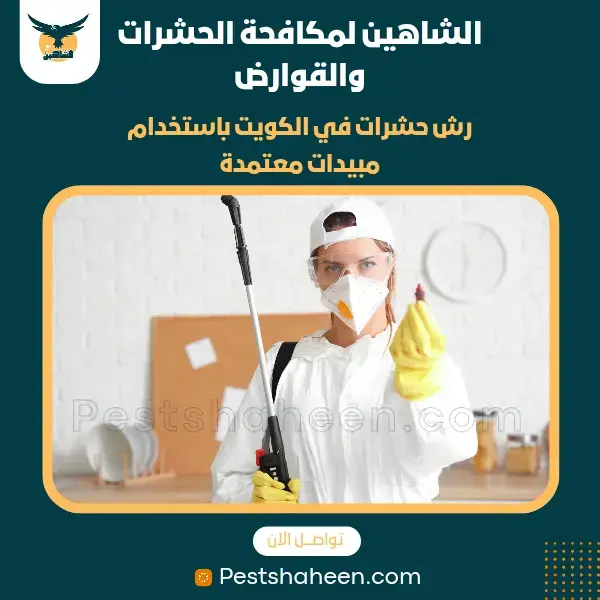
Insect spraying for furnished rental apartments can be part of a pest management plan, but it should not be treated as a standard procedure after every booking or every complaint. The decision to spray depends on the insect species, the location of activity, the inspection findings, and the type of product that is suitable for use inside the furnished unit.
A hotel apartment differs from an empty property because it contains mattresses, sofas, curtains, kitchen facilities, appliances, and items that guests use directly. For that reason, any pesticide application must be limited to locations permitted by the product instructions instead of treating all furniture and surfaces in the same way.
Before spraying, the unit should be prepared according to the treatment being performed. Food may need to be removed or securely closed, while kitchen utensils and personal-use items may need to be moved away from the targeted area. When the apartment is between bookings, the available turnover period must allow enough time for treatment as well as the required ventilation, cleaning, and waiting period before the next guest arrives.
A common mistake is to schedule the next guest arrival first and then attempt to force pest control work into two or three hours without considering the requirements of the product being used. Some procedures may not be suitable for the amount of time available between bookings. In such situations, it is better to reorganize the unit assignment or select another appropriate procedure rather than rushing the apartment back into service.
Not every insect problem requires spraying. Ant activity may require treatment of a particular trail or entry point, some cockroach cases may be better addressed with localized baits or monitoring devices, and flying insects may originate from a window, drain, or waste source. Inspection determines whether spraying offers genuine value or is simply an additional step that does not address the cause.
When the apartment is occupied, instructions to the guest should be clear and specific without unnecessary complexity. The guest should be told which areas must not be used, how long restrictions apply according to the treatment, and what procedures need to be completed before returning to the apartment.
-
Spraying a furnished apartment should only take place after the pest species and targeted location have been identified so mattresses and appliances and surfaces used every day are not exposed to pest control products in areas that do not require treatment
-
Preparing the unit before spraying includes protecting food products and kitchen utensils and belongings that may be affected while ventilation and cleaning instructions must be followed before the next booking is allowed into the apartment
-
If the period between bookings is shorter than the time required to complete treatment safely it is better to arrange a different appointment or allocate another unit to the arriving guest rather than shortening essential safety procedures simply to meet the scheduled check-in time
Pest Control Between Guest Bookings
Pest control between guest bookings is one of the most practical times to organize inspections because the apartment is empty and areas that may be difficult to access during a guest stay are easier to examine. However, using this period effectively requires a clear process that begins immediately after checkout and does not depend on a cleaner reporting a problem only shortly before the next guest arrives.
After a guest leaves, the turnover team may notice signs that were not apparent during the stay, such as insects around the bed, cockroach droppings inside a kitchen cabinet, or ant activity behind appliances. In these situations, having a standard reporting procedure is useful instead of immediately cleaning away the signs without documenting them.
If a problem is discovered, management should determine whether the apartment requires a specialized inspection before full cleaning begins. When bed bugs are suspected, for example, preserving the location of the signs may help a specialist identify the areas of activity rather than having all evidence removed or bedding transferred before the inspection.
If the problem involves cockroaches or ants around the kitchen, the activity location can be documented and the area prepared according to instructions. Once pest control procedures have been completed, cleaning and preparation can continue based on the requirements of the treatment that was used.
Not every apartment needs the same level of inspection after every checkout. Management can establish basic inspection points for all units while carrying out more detailed checks in apartments that have previously had complaints or where a guest reported insects during their stay.
From an operational perspective, this system can reduce disruption to guests because a large part of monitoring is performed during the normal apartment turnover period. However, there still needs to be enough flexibility in the schedule to manage cases requiring longer treatment rather than assuming every unit will be ready immediately after ordinary cleaning has finished.
-
The period between bookings allows sleeping areas and kitchens and bathrooms to be inspected without disturbing a guest while unusual signs can be recorded before evidence useful for identifying the infestation and its source is removed
-
Units with previous pest complaints benefit from more focused inspection during turnover because comparing the current condition with earlier records helps determine whether the problem has returned or remained controlled after the previous treatment
-
Organizing checkout and cleaning and inspection and treatment in a clear sequence reduces the likelihood of discovering a pest problem only minutes before a new guest arrives and gives management time to make an appropriate decision about whether the apartment should be assigned
Mattress Inspection in Hotel Apartments
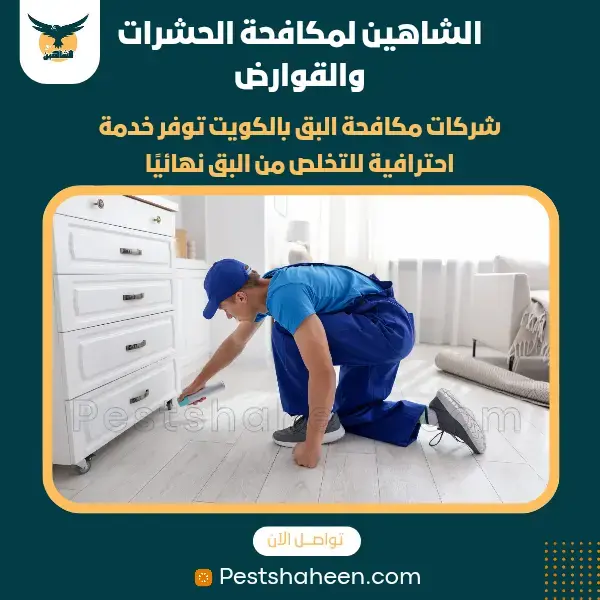
Mattress inspection in hotel apartments does not mean looking only for bed bugs. The mattress is part of the entire sleeping area and should be considered together with the bed frame, headboard, mattress base, and nearby furniture depending on the type of complaint being investigated. Focusing only on the center of the mattress surface may allow important signs to be overlooked.
Inspection begins with examining seams, edges, and folded areas while avoiding damage to the mattress cover or the use of tools that could tear the material. If bed bugs are suspected, the aim is to look for actual evidence supporting the suspicion rather than relying only on a skin mark reported by the guest.
It is particularly important for cleaning staff to understand the difference between observing something suspicious and confirming an infestation. An employee may report a dark spot or a small insect, but identifying the species requires a more careful assessment. The purpose of staff awareness is not to turn the cleaning team into pest control technicians but to help them recognize when apartment preparation should stop and a specialist inspection should be requested.
Mattresses also need to be handled carefully when they are moved. If an apartment is suspected of infestation, the mattress should not simply be dragged through a corridor or placed next to clean mattresses. Uncontrolled movement of bedding may spread the problem throughout the property.
For hotel apartments with frequent bookings throughout the month, it can be useful to include a brief visual check of the sleeping area within the normal turnover process while carrying out a more detailed inspection whenever a complaint or suspicious sign is recorded. This approach is better than waiting for a clear guest complaint after the unit has already been assigned.
An old mark on a mattress does not automatically mean there is an active infestation. The available evidence needs to be considered together, and the presence of recent activity should be established before deciding to take the apartment out of service or discard the mattress.
-
Mattress inspection should include the edges and seams and bed base and nearby parts of the sleeping area according to the type of complaint so evaluation of a possible infestation is not reduced to a quick look at the center of the mattress
-
When a suspicious sign is discovered it should be recorded and appropriately assessed before the mattress is moved between units because uncontrolled movement of bedding may transfer insects from a limited location to several apartments
-
Training cleaning staff to notice basic warning signs helps identify problems while preparing a unit while responsibility for determining the pest species and extent of the infestation remains with a specialist after the available evidence has been examined
Pest Control in Furnished Hotel Units
Pest control in furnished hotel units requires a plan that connects each section of the apartment with how it is used because the bedroom has different conditions from the kitchen, bathroom, and living room. The most effective approach is therefore to direct treatment according to the source of activity instead of applying one procedure to every part of the unit.
Inside the kitchen, attention is given to cabinets, appliances, moisture sources, and food residues. In the bathroom, drains, utility openings, and areas where water collects need to be checked. In the bedroom, inspection depends on the furniture, bedding, and the type of insect suspected.
The living room should not be ignored either. Sofas, carpets, and frequently used furniture may require inspection if the complaint involves an insect associated with upholstered materials. However, every piece of furniture should not automatically be treated as infested simply because an insect was discovered in another room.
One of the major differences in furnished units is the movement of belongings between apartments. Some properties move small appliances, chairs, or bedding from one unit to another according to operational needs. If an item comes from an apartment with a confirmed infestation, it should be assessed before it is transferred to another location.
Furniture storage and linen rooms also require monitoring because placing potentially affected belongings together with clean items may turn a problem limited to one apartment into a broader operational issue. There should therefore be a clear procedure for temporarily isolating suspicious items rather than immediately returning them to shared storage.
A successful plan is not based on spraying every item in the unit. It identifies what needs pest control treatment, what needs cleaning, what needs maintenance, and what can return to ordinary use without any additional procedure.
-
Dividing each apartment into functional areas helps direct inspections toward different pest risks because a problem inside the kitchen requires a different assessment from a complaint near the bed or activity appearing inside the bathroom
-
Furniture and bedding should only be moved between units after the condition of an item has been assessed when it comes from an apartment with a confirmed infestation so the problem is not unintentionally transferred into a unit that was previously pest free
-
Keeping suspicious items separately stored until they are assessed reduces the possibility of transferring insects to clean furniture and linen inside shared storage areas and allows the operations team to make an appropriate decision about each item
Cost of Pest Control for Hotel Apartments

The cost of pest control for hotel apartments does not have one fixed figure that applies to every property because the price is affected by the number of units, pest species, infestation extent, treatment method, and number of visits required. A single apartment with limited cockroach activity is different from a property containing several units that requires a pest monitoring program between bookings.
The type of pest problem also changes the scope of work. Bed bug treatment may require detailed inspection and specialized handling of bedding, while dealing with ants inside a unit kitchen may be limited to a particular trail or entry point when the activity is small and clearly defined.
Another factor is whether the service is needed in an occupied apartment or a vacant unit between bookings. An occupied unit may require additional coordination with the guest and booking management, while an empty apartment provides more flexibility for organizing treatment but still requires consideration of the next scheduled arrival.
Before requesting a price, it is better to prepare information about the number of affected units, the types of complaints, where insects have been observed, and whether the problem is new or recurring. If management is requesting a routine program, the number of apartments, occupancy pattern, and required monitoring method should also be explained.
When comparing quotations, do not compare the final amount alone. Check whether the offer includes the initial inspection, follow-up, reassessment of apartments where activity continues, and any reports needed by management. Some quotations may appear less expensive because they include only one service visit.
An accurate price cannot be determined without evaluating the actual scope of work and reviewing the specific service offer because every property differs in the number and distribution of its apartments and the nature of the infestation.
-
Pest control pricing changes according to the number of units and pest species and activity level and treatment method required so defining the scope of the problem before requesting a quotation is an important step toward receiving a price that reflects the actual service
-
Price comparisons should include the number of visits and inspection scope and follow-up service and the procedure for apartments where pest activity continues because the final amount alone does not explain the level of service included in the agreement
-
If the property needs a continuing program between bookings it is preferable to request a quotation that explains the cost of monitoring the included apartments and how an additional unit can be added to the plan if a new infestation appears during the contract period
Spraying Hotel Apartments After Guests Leave
Spraying hotel apartments after guests leave creates an opportunity to carry out treatment without the guest being present inside the unit, but it should not automatically be repeated after every checkout. The turnover period should preferably begin with a quick inspection that determines whether there are signs requiring treatment or whether the apartment simply needs ordinary cleaning and preparation.
If a decision is made to spray, exposed food products should first be removed, kitchen utensils protected, and belongings that could be affected by the treatment secured. The selected product should then be applied only to the identified areas according to its instructions rather than indiscriminately spraying mattresses, appliances, or food preparation surfaces.
One common mistake is treating the guest's departure as an unlimited treatment window even when the next booking begins shortly afterward. The next guest's arrival time must be compatible with the waiting period, ventilation, and cleaning required for the selected product and application method.
The checkout period can also be used for work that has nothing to do with spraying, such as sealing a gap behind a kitchen cabinet, repairing a minor leak, or cleaning an area that is difficult to access while the apartment is occupied. In some cases, addressing these conditions may be more important than repeatedly applying pesticide.
If a problem appeared during the guest's stay and an initial treatment was performed, the period after checkout provides an opportunity to inspect the unit again without the pressure of an occupied apartment and determine whether signs of activity remain or whether the situation has improved.
For bed bugs in particular, ordinary spraying after checkout should not be treated as an automatic solution because the infestation requires inspection, determination of its extent, and selection of an appropriate treatment method according to the situation.
-
After a guest checks out the apartment should be inspected before deciding to spray because some units need cleaning or maintenance of the problem source while pesticide application may not be necessary throughout all areas
-
Scheduling the next booking must take into account the required waiting and ventilation and cleaning periods after treatment so the unit is not assigned before all procedures needed for appropriate reuse have been completed
-
Using the period when the apartment is empty to repair leaks and close openings and clean concealed areas helps remove conditions that attract pests and keeps the pest control plan focused on the underlying cause rather than depending on spraying alone
Conclusion
Pest control for hotel apartments in Kuwait without disrupting guests requires more organization than repeated spraying. A successful plan begins by detecting the problem inside the unit, identifying the insect species and the location of its activity, and then selecting the appropriate time and treatment method while making use of the periods between bookings whenever possible.
Bed bugs require inspection of the sleeping area and bedding, while cockroaches require closer attention to kitchens, moisture sources, and spaces around appliances. Mattress inspections, complaint records, and organized movement of linen and furniture between units can also reduce the possibility of transferring a pest problem from one apartment to another.
If you manage hotel apartments or furnished accommodation in Kuwait, you can contact Shaheen Pest Control to inquire about a suitable service, the number of units requiring inspection, and how appointments can be organized around booking schedules. The most appropriate plan is one that addresses the actual pest problem while protecting guest comfort, unit safety, and continued property operations without unnecessary disruption.
Frequently Asked Questions
Do hotel apartments need to be sprayed after every guest leaves?
No. Guest checkout alone is not a reason to carry out insecticide spraying. Management should preferably maintain a cleaning and inspection process between bookings, with treatment used when there is an actual reason such as insect activity, signs of infestation, or inspection findings that justify intervention.
Can pest control be carried out while a guest is staying in the apartment?
This depends on the pest species, location of the infestation, and treatment method required. Some inspections can be carried out in coordination with the guest, while certain treatments require the unit or part of it to be temporarily vacated for a specified period according to product instructions and safety procedures.
How should management respond when a guest reports bed bugs?
The complaint should be recorded together with the room and the location where the insect was observed. The sleeping area and nearby furniture should then be inspected rather than confirming a bed bug infestation solely from the appearance of skin bites. If bed bugs are confirmed, the treatment scope should be determined and bedding handled in a way that prevents insects from spreading to other units.
Do neighboring apartments need to be inspected if bed bugs are found in one unit?
That depends on the inspection findings, the layout of the property, and the available signs of activity. Confirming an infestation in one apartment does not automatically mean every neighboring unit is affected, but a specialist may recommend additional inspections when the evidence or arrangement of the units justifies doing so.
Does spraying cockroaches in the kitchen mean the kitchen can immediately be used again?
The time at which the kitchen can be returned to use depends on the product, application method, and areas that were treated. Ventilation, cleaning, and any specified waiting period must be completed before food products and utensils are returned to the area.
What is the best time to inspect a hotel apartment?
The period after a guest leaves and before the next booking arrives is a useful time for inspection because the unit is vacant and mattresses, cabinets, and appliances are easier to access. However, pest complaints that occur during a stay should not automatically be delayed until checkout if the situation requires prompt assessment.
Is checking the mattress alone enough to detect bed bugs?
No. Bed bugs may hide in the bed frame, headboard, nearby furniture, and cracks surrounding the sleeping area. An appropriate inspection examines several locations associated with the bed according to the signs present.
How much does pest control for hotel apartments cost?
There is no fixed price that applies to every situation because the cost depends on the number of units, pest species, infestation level, treatment method, and number of visits required. It is better to request a quotation that clearly explains the service and follow-up scope rather than relying on a general price.
Can moving furniture between apartments spread insects?
Yes, this can happen when an item is removed from an infested apartment and transferred without inspection or suitable precautions. Furniture and bedding suspected of infestation should therefore be assessed before they are introduced into another unit or a shared storage area.
How can hotel apartments reduce booking disruption during pest control?
This can be achieved by recording complaints quickly, making use of the periods between bookings, arranging inspections before the unit is prepared, and allowing enough time for treatment, ventilation, and cleaning when required. Having alternative units available may also help management reassign bookings when a particular apartment requires a longer period before it can return to service.
 Contact Us on WhatsApp