Professional Pest Control Company for Bakeries in Kuwait
Bakeries require particularly careful pest management because flour, sugar, yeast, dry ingredients, heat generated by ovens, and the constant movement of incoming supplies create conditions that are different from those found in restaurants or coffee shops. For that reason, choosing a pest control company for bakeries in Kuwait should be based on inspecting storage areas, production lines, mixing zones, cooling areas, and spaces surrounding equipment before considering any spraying procedure. The problem is not limited to the insect an employee can see on the floor because some pests may be associated with a bag of flour, a crack behind equipment, or a storage area where materials are not moved frequently. The correct plan protects raw materials and finished products while identifying the source of pest activity and selecting a treatment suitable for a food facility without using pesticides indiscriminately.
Pest Control Company for Bakeries in Kuwait
Choosing a pest control company for bakeries in Kuwait requires focusing on its ability to work inside a food production environment rather than only on how quickly it can arrive. A bakery is not one open space that can simply be sprayed and considered finished because it may contain a flour storage room, weighing and mixing areas, dough mixers, ovens, preparation tables, cooling areas, packaging sections, and waste handling points. Each section has different operating conditions and may attract a different type of pest.
Before the service begins, the company needs to understand the bakery's production process, the number of storage areas, the types of raw materials present, where insects have been observed, and when the activity usually appears. If insects are appearing around flour bags, the inspection should begin with the shipment, storage methods, shelving, and spaces beneath stored materials. However, if cockroaches are appearing near mixers or refrigeration units, priority should be given to examining moisture, dough residues, and areas that are difficult to reach during normal cleaning.
It is also important for the company to distinguish between an insect that has entered from outside and a pest associated with a stored product. Materials such as flour, grains, nuts, and other dry ingredients may be affected by stored-product pests, which means examining ingredients and packaging is an important part of understanding the problem rather than focusing only on the bakery floor.
A practical example would be when employees repeatedly notice small insects around one particular storage shelf. The solution is not for the technician to spray the shelf and leave. The delivery date of the bags stored there should be reviewed, packaging should be inspected, and surrounding products should be checked to determine whether the problem began within the stock itself or developed because of conditions inside the storage area.
You can contact Shaheen Pest Control to inquire about pest control services for bakeries in Kuwait and explain the nature of the business and the areas where pest activity has appeared before determining an appropriate scope of work.
• A suitable pest control company for bakeries begins by inspecting raw materials and storage areas and production lines and spaces surrounding equipment so treatment decisions are based on the actual source of pest activity rather than applying a general spray throughout every section of the bakery
• If insects appear near flour or sugar or nuts the condition of packaging and delivery dates and storage methods should be reviewed so the premises are not treated while the affected product remains inside the storage area
• A clear agreement with the pest control company should identify the work areas and the procedures bakery management must complete before treatment and the method of follow-up after treatment so the responsibilities of both parties are understood before work begins
Bakery Pest Control in Kuwait
Bakery pest control in Kuwait begins with understanding the daily production cycle because the source of a problem may be connected to receiving supplies, storage, preparation, or activities taking place after production has ended. A bakery that receives bags of flour and sugar continuously requires a different level of stock monitoring from a small shop using limited quantities because greater material movement increases the importance of inspecting supplies, rotating stock, and preventing older bags from remaining hidden behind new deliveries.
The first step is to identify the insect species rather than grouping every case under one general pest category. A cockroach appearing beneath a machine is not treated in the same way as a stored-product pest found inside a dry ingredient. Flying insects entering through an open door also require a different approach from pest activity beginning within the storage area. Making this distinction prevents the use of a treatment method that does not match the problem and reduces unnecessary pesticide application.
Another important issue in bakeries is access to areas that are difficult to clean. Small amounts of flour or dough may accumulate beneath equipment, along floor edges, or behind storage units when daily cleaning cannot easily reach these locations. This does not necessarily mean the bakery is poorly maintained because even a well-organized facility may have concealed areas that need a different level of attention from routine cleaning.
Entrances, doors, and goods loading areas also need to be considered because pest prevention in food facilities includes reducing opportunities for insects and rodents to enter. Flying insect control devices also need to be positioned in a way that does not create a contamination risk over food or clean equipment.
A practical example would be a bakery where insects are noticed mainly near the end of the working day. Instead of spraying the entire premises, management can review the timing of cleaning, the movement of waste, and the condition of doors after employee activity decreases and then compare these factors with the location where insects are appearing. This provides useful information about the source of the problem instead of treating only the visible symptom.
• Pest control inside a bakery should distinguish between activity associated with stored food and insects entering from outside and pests hiding around equipment because each situation requires a different approach and should not be treated as though every pest problem is identical
• Reviewing locations that ordinary daily cleaning cannot easily reach helps identify flour residues and dough remains and moisture that may provide favorable conditions for pests even when the visible production areas appear clean and properly maintained
• Protecting doors and utility openings and reviewing the movement of supplies and waste helps reduce opportunities for pests to enter and makes the pest control plan part of the bakery's operating process rather than relying on spraying as the only solution
Insect Spraying Company for Bakeries in Kuwait

Searching for an insect spraying company for bakeries in Kuwait does not mean that spraying must be the solution every time an insect appears. A bakery is a food production facility containing surfaces that come into contact with dough, production tools, equipment, raw material bags, and finished products ready for sale. Any pesticide use therefore needs to be targeted, controlled, and consistent with the product instructions and the locations where its use is permitted.
Before spraying takes place, the area that actually requires treatment needs to be identified. If the problem involves cockroaches hiding inside cracks beside a utility area, the treatment may be directed toward these locations rather than spraying preparation tables or bread production areas. If insects are associated with contaminated flour bags, spraying around the storage room alone does not remove the source because the affected product itself needs to be isolated and evaluated before it continues through production.
One mistake bakeries should avoid is spraying pesticides while uncovered dough, open raw materials, or finished products are present on work surfaces. Liquids should also not be applied indiscriminately inside electrical equipment or around parts of machines that come into contact with food. The targeted locations should be defined in advance, prepared before treatment, and then managed according to the ventilation, cleaning, and waiting instructions associated with the product used.
If the problem is inside a production area, it is better to schedule treatment at a time when the targeted section can be stopped without rushing to restart operations. However, carrying out treatment after the bakery closes does not automatically mean the area will be ready at the beginning of the next shift because return-to-use requirements depend on the product and its application method.
A practical example would be cockroach activity discovered behind a refrigeration unit. Spraying the entire bakery floor provides little additional value when the real issue is connected to moisture or food residues behind the appliance. A better approach is to inspect the location, address the underlying condition, use a treatment suitable for that specific area, and then review the result.
• A suitable spraying company for bakeries identifies the insect species and activity location before applying pesticide so treatment can be directed toward the required area while protecting flour and dough and finished products from unnecessary exposure to pest control materials
• Open food ingredients and production tools and surfaces that come into contact with bread need to be protected before treatment while the cleaning and ventilation and return-to-use instructions for the selected product must be followed
• If insects continue to appear after spraying the source of the infestation should be reassessed and moisture and cracks and stored ingredients and equipment conditions should be reviewed instead of repeating the same application as though using more pesticide will solve the underlying problem
Cockroach Control in Bakeries
Cockroach control in bakeries requires inspecting locations that combine warmth, moisture, and food residues because these factors may create suitable hiding conditions even when daily cleaning is carried out properly. Cockroaches may frequently be found around mixers, refrigeration equipment, storage cabinets, water connections, and corners that are difficult to reach while production is busy.
If an employee notices small cockroaches near a mixer, the response should not end with spraying the floor around the equipment. The surrounding area, spaces underneath the machine, and rear sections need to be inspected while checking for dough residues, moisture, or cracks that insects may be using as shelter. If the equipment is fixed and should not be moved without a maintenance technician, coordination with an appropriate specialist is preferable to attempting to move the machine in a way that could damage connections or interrupt production.
The location where a cockroach appears provides useful information. Repeated activity around a floor drain may indicate that the surrounding area and moisture sources deserve closer inspection. However, insects appearing inside a cabinet holding packaging materials require examination of cracks, gaps, and how the contents are arranged rather than automatically assuming the problem is related to water.
One mistake is repeatedly using household insect sprays during operating hours because this may push cockroaches deeper into concealed locations and expose raw materials or production surfaces to inappropriate substances. A more suitable approach is to select a treatment appropriate for the location according to its instructions while protecting all food materials.
Accumulated cardboard boxes and packaging left in storage for long periods may also provide additional hiding areas. Removing unnecessary packaging and organizing receiving and storage areas so they can be inspected and cleaned more easily can help reduce these opportunities.
After treatment, the location where activity was found should continue to be monitored rather than treating the disappearance of cockroaches for a few days as final proof that the problem has ended. Follow-up inspection helps determine whether activity has decreased, moved to another area, or continues because the underlying cause remains.
• Repeated cockroach activity around the same machine requires inspection of rear spaces and moisture sources and dough residues instead of spraying only the visible area because insects may be hiding in locations ordinary cleaning cannot easily reach
• Heavy equipment or machines connected to electricity and water should not be opened or moved indiscriminately during pest control work and coordination with a maintenance technician is preferable whenever access to the rear area requires dismantling or moving part of the equipment
• Successful cockroach control inside a bakery requires continued monitoring of activity locations and review of cleaning and storage and crack conditions after treatment so the result can be evaluated instead of relying on a short period without visible insects
Pest Control in Bread Bakeries

Pest control in bread bakeries is directly connected to the production cycle from receiving flour until bread or another finished product leaves the facility. Every stage presents different points requiring attention, so the strongest pest management plan follows the movement of raw materials, equipment, proofing areas, cooling, and packaging rather than focusing only on the floor.
At the beginning of the process, flour bags and other dry ingredients should be checked when they are received and the condition of packaging should be reviewed before materials enter storage. Bags that are damaged or display unusual signs should preferably be isolated temporarily and evaluated instead of being immediately mixed with unaffected stock.
The next stage involves weighing and mixing, where small quantities of flour or dough may accumulate around equipment bases or behind work units. These residues may not be obvious during busy production hours, but over time they can provide a continuing food source for some pests if they are not included in deeper cleaning procedures.
Proofing areas require a different level of attention because heat and moisture may be higher than in other parts of the bakery. This does not mean that every insect appearing there is caused by the proofing process itself, but the surrounding conditions deserve closer examination if the same problem keeps returning.
After baking, cooling and packaging areas need protection from flying insects and from pest activity near windows, doors, or lighting. Finished products may remain uncovered for a period while cooling, which makes reducing opportunities for insect entry particularly important in these areas.
A useful example would be a bakery where the problem is not inside the production line itself but around the door used to load bread into delivery vehicles. If the door remains open for long periods, insects may enter from outside. In that case, the solution requires reviewing the movement of the door and how the entrance is protected rather than spraying the internal production area without a clear reason.
• Inspecting a bread bakery is more effective when the process follows the product from receiving and storage through mixing and proofing and cooling and packaging because every stage has different exposure points and the entire premises should not be treated as one identical section
• Flour and dough accumulating around equipment bases need a cleaning program that reaches concealed locations because small quantities collecting every day may eventually become a continuing food source for pests
• Cooling and packaging areas and product loading entrances need particular protection from flying insects so open doors and exposed cooling products do not become weak points within the pest control plan
Pest Control for Pastry Bakeries
Pest control for pastry bakeries requires a different angle because ingredients often include sugar, chocolate, nuts, dried fruit, and other sweet materials that may attract different pests if they are not stored properly. In this type of bakery, attention should not be limited to flour because the source of a problem may be another ingredient stored in the same area.
If small insects appear around containers of nuts, for example, the packaging, delivery date, storage conditions, and surrounding ingredients should all be inspected. Certain stored-product pests may spread from one dry ingredient to another when conditions allow, which makes isolating a suspicious package useful before it is mixed with unaffected stock.
Pastry decorating areas also require detailed cleaning because sugar, chocolate, cream, and similar ingredients may leave small residues around table edges, inside drawers, or around equipment bases. Even when the visible worktop appears clean, this does not necessarily mean the lower surfaces and concealed areas are free from food residues.
Leaving ingredient containers open for long periods during production is another issue, particularly when large quantities are used across several shifts. Unused ingredients are better returned to suitable closed containers with clear identification that helps employees recognize the batch and date.
Dessert display areas also need to be reviewed because flies or flying insects around finished products require investigation of entry sources, door conditions, and the way the products are protected rather than depending only on electric insect devices or airborne spraying near food.
Pastry bakeries that use fresh fruit also need careful waste management because fruit residues and moisture can attract small flying insects when they remain in waste containers for extended periods.
• Pest control in pastry bakeries needs to include sugar and nuts and chocolate and other dry ingredients instead of focusing only on flour because an infestation may begin in one ingredient and later affect stored materials nearby
• Decorating and preparation areas require cleaning that reaches drawers and table edges and spaces beneath equipment so sugar or chocolate residues do not remain in concealed locations and become a continuing source of attraction for pests
• Display areas and finished pastry sections need protection from flying insects while entry sources and fruit waste management are reviewed instead of using methods that may expose ready-to-eat products to contamination
Pest Control in Bakery Flour Storage Areas
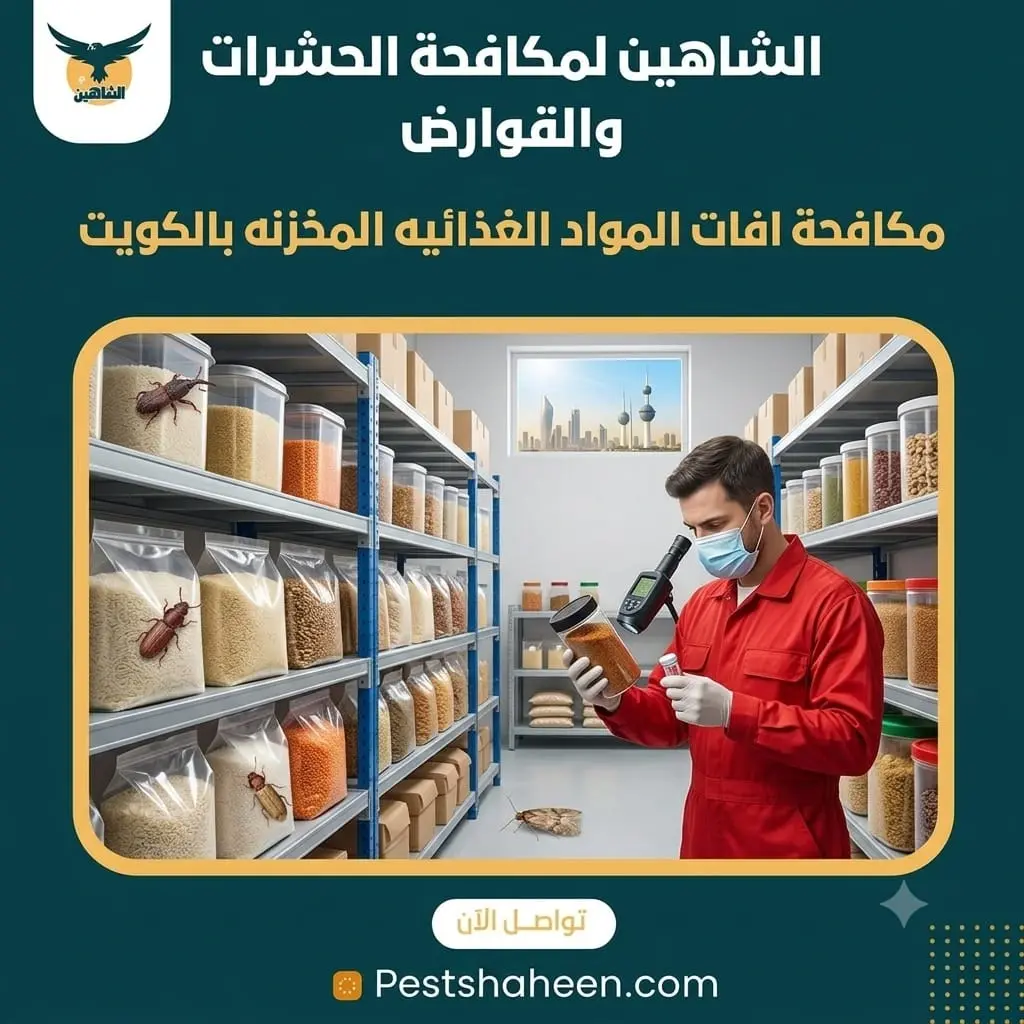
Pest control in bakery flour storage areas depends heavily on organized storage before any treatment is considered because an overcrowded storage room with bags pressed against walls becomes difficult to inspect, clean, and monitor for early signs of pest activity.
Flour bags should preferably be arranged in a way that allows the floor and sides of the storage area to remain visible and accessible when necessary. Avoiding direct placement of bags on the floor also makes inspection and cleaning easier and reduces their exposure to moisture from the floor or cleaning activities.
Stock rotation is equally important. Older deliveries should be used before newer ones according to the bakery's stock system so older bags do not remain hidden behind new shipments for long periods. Extended storage can make infestation more difficult to notice when routine inspections are not carried out.
If a bag shows holes, small insect gatherings, or another unusual sign, it should not be opened in the middle of the storage area. It is better to isolate it from unaffected stock until its condition has been evaluated and the surrounding bags from the same delivery have been checked.
Spilled flour should also be removed promptly, especially beneath pallets, between shelving units, and around corners because accumulated powder can hide signs of pest activity and make inspection more difficult.
Flour storage areas also require attention to temperature, moisture, and ventilation conditions according to the characteristics of the premises because poor storage conditions can affect product quality and make the environment more suitable for certain pest problems.
• Arranging flour bags so the sides and lower parts of storage areas can be inspected helps identify early warning signs and prevents large quantities of stock from becoming difficult to access when a pest problem is discovered
• Isolating a suspicious bag as soon as holes or insects or unusual signs are noticed reduces the possibility of mixing affected material with the rest of the flour and gives management an opportunity to inspect the shipment before continuing to use it
• Cleaning spilled flour and rotating stock and reviewing storage conditions should all form part of the pest control plan because spraying alone does not correct a problem caused by poor storage organization or an affected delivery
Flour Weevil Control in Bakeries
Flour weevil control in bakeries should begin by confirming the insect involved because the term "weevil" is sometimes used generally for any small insect found in flour or other dry products even though stored-product pests include different species with different behavior and sources.
If an employee notices small insects inside a flour bag, the bag should not simply be sifted and then returned to production as though the problem has been removed. Finding insects within the ingredient itself requires isolating the package, evaluating other bags from the same delivery, and examining nearby stored products.
An infestation may have begun inside a stored product before it arrived at the bakery or developed within the storage area when conditions were suitable. Recording the supplier, delivery date, and batch information when available can therefore help management determine whether the problem is connected to a particular shipment.
Cleaning after an infestation is discovered should also go beyond removing the visibly affected bag. Flour residues around shelves and corners should be removed, while old products and nearby open packages should be checked for similar signs of activity.
Not every infestation requires immediate pesticide spraying throughout the storage area. When the source is within a food product, correct handling of affected stock, isolation of materials, and review of the surrounding environment may be more important than applying insecticide around the bags.
Most importantly, ingredients suspected of infestation should not enter production until their suitability has been evaluated according to the bakery's food safety procedures. The purpose is not simply to kill insects but to protect the finished product from being manufactured with compromised raw materials.
• When insects are found inside flour the package should be isolated and the delivery and surrounding products reviewed instead of simply sifting out the visible insects because the source of the infestation may be within the ingredient itself
• Recording shipment information and delivery dates helps trace recurring cases and determine whether the problem is connected to a particular supplier or batch or whether it developed because of storage conditions inside the bakery
• Stored-product pest control is stronger when inspection of stock and cleaning of the storage area and removal of old materials and review of storage conditions are combined rather than relying on pesticide application around flour bags as a separate measure
Bakery Pest Control Prices in Kuwait
Bakery pest control prices in Kuwait vary according to the size of the premises, the number of production and storage areas, the pest species involved, the extent of the infestation, and the type of treatment required. A small bakery with one limited storage room will not necessarily have the same service cost as a large production bakery with several lines, storage areas, packaging sections, and loading zones.
The type of pest also affects the scope of work. A limited cockroach problem around a utility area is different from an infestation associated with a large stock of flour or dry ingredients because the second situation may require examination of more products, isolation of stock, and broader follow-up.
The number of visits also influences the cost. Some cases may require an assessment visit, treatment, and follow-up, while another facility may need an ongoing contract that includes regular inspections and monitoring of sensitive areas.
When requesting a quotation, it is better to provide information about the size of the bakery, the number of storage rooms, the type of production, the location of pest activity, and whether the problem is new or recurring. The clearer the information is, the closer the proposed service can be to the actual work required.
Price comparisons should not be based only on the final amount. Review whether the quotation includes the initial inspection, follow-up, reports, outdoor areas, storage rooms, and whether stored-product pest management is included or requires a separate arrangement.
A fixed price cannot reasonably apply to every bakery without evaluating the premises and the scope of the infestation because there may be major differences between facilities even when they produce the same type of bread.
• Bakery pest control pricing is affected by production area size and the number of storage rooms and the pest species and the number of visits required so describing the problem accurately before requesting a quotation is more useful than relying on a general price for an undefined service
• Comparing company quotations requires reviewing included details such as inspection and follow-up and reports and storage areas and loading zones so an apparently cheaper offer is not selected simply because it excludes important parts of the service
• If the bakery experiences recurring infestations it may be useful to compare the cost of repeated individual visits with an organized routine contract rather than continuing to pay for emergency treatment whenever the problem returns
Pest Control Contracts for Bakeries
Pest control contracts for bakeries are suitable for facilities that require continued monitoring instead of waiting for a visible infestation and then requesting a separate service visit. A useful contract should not simply specify a fixed number of visits but should establish sensitive areas, inspection procedures, documentation requirements, and the response to pest activity appearing between scheduled appointments.
Before signing the agreement, all covered areas should be identified, including flour storage rooms, mixing zones, ovens, cooling and packaging areas, waste handling locations, and goods receiving entrances. If the bakery has an outdoor yard or separate storage facility, the agreement should clearly state whether these areas are included.
The types of pests covered by the contract should also be defined. Some agreements may include cockroaches, ants, and flying insects, while stored-product pests may require separate assessment or different procedures. It is better for these details to be documented clearly from the beginning.
Reports are an important part of the contract. Each visit should identify the areas inspected, observations made, procedures completed, and recommendations bakery management needs to implement. If a leak, suspicious bag, or opening requiring maintenance is discovered, it should be documented so management can follow up.
The contract should also explain what happens when significant pest activity appears between scheduled visits. Management needs to know whether an additional visit is included in the agreement, whether it has a separate cost, and which situations are considered urgent.
Contract results should be reviewed periodically. If the same area continues to record pest activity every month, the correct response is not simply to repeat the same treatment indefinitely. The cause should be reassessed and the plan adjusted.
• A suitable bakery pest control contract identifies every area included in the service and every pest category covered by the agreement so bakery management understands exactly what is inspected and treated throughout the contract period
• Regular reports help connect pest observations with production and storage areas and clearly identify recommendations assigned to cleaning or maintenance teams so important information is not lost between one service visit and the next
• If pest activity repeatedly returns in the same location during the contract period the plan should be adjusted and the underlying cause reassessed instead of repeating the same treatment because the purpose of follow-up is to reduce recurrence rather than simply record the number of visits
Conclusion
Choosing a pest control company for bakeries in Kuwait requires understanding the nature of the facility rather than simply requesting quick spraying. A bakery combines raw materials, stored ingredients, equipment, heat, moisture, and production lines, so every pest problem needs to be connected to its source and location before the treatment method is selected.
Cockroach activity requires attention to equipment surroundings and moisture sources, while pests associated with flour require evaluation of stock, deliveries, and storage methods. Pastry bakeries also need additional attention to sugar, nuts, sweet ingredients, and fruit waste.
You can contact Shaheen Pest Control to inquire about a service suitable for bakeries in Kuwait and explain the size of the premises, the type of production, and where pest activity has been observed. The strongest plan is one that combines inspection, treatment, cleaning, storage management, and follow-up without exposing raw ingredients or finished products to indiscriminate pesticide use.
Frequently Asked Questions
Does seeing one insect inside a bakery mean there is a major infestation?
Not necessarily because an insect may have entered from outside or may be connected to a limited source. However, an insect appearing inside a food production facility should be identified and its location reviewed, particularly if it is found close to flour, dough, or finished products.
Does the entire bakery need to be sprayed if cockroaches are found?
No. The treatment scope should be determined according to where the activity is occurring and what the inspection finds. The problem may be limited to a moisture source or a concealed area behind one piece of equipment, in which case targeted treatment is more appropriate than spraying every production section without a clear reason.
How can we tell whether the insects came from the flour itself?
The bags and surrounding products should be inspected while reviewing the delivery date and checking for insects, holes, or other unusual signs inside or around the packaging. If clear signs are found, the suspicious material should be isolated and the rest of the delivery examined.
Can flour be used after the visible weevils are removed?
Finding stored-product pests inside flour requires the product to be isolated and its suitability evaluated according to the bakery's food safety procedures rather than simply removing the visible insects or sifting the flour and automatically returning it to production.
Which areas inside a bakery need the most inspection?
Raw material storage rooms, areas surrounding mixers, spaces behind refrigeration equipment, cooling and packaging sections, drains, goods receiving entrances, and waste handling areas are all locations that may require attention depending on the type of pest problem present.
Can pest control be carried out after the production shift ends?
Yes. Certain pest control procedures can be scheduled outside production hours, but the closure period must be long enough to complete the treatment requirements, ventilation, cleaning, and any necessary waiting period before production begins again.
Does a flour storage room need monitoring even when no insects are visible?
It is useful to maintain inspection and stock monitoring because some stored-product pests may begin inside packaging or in areas that are not obvious during a quick visual check. Good organization, cleaning, and stock rotation can help identify a problem earlier.
Are bakery pest control prices fixed?
No. The cost depends on the size of the premises, number of production and storage areas, pest species, extent of the problem, and number of visits required. A more accurate quotation needs to reflect the actual scope of service.
What is the benefit of a pest control contract for a bakery?
A contract organizes inspection, follow-up, documentation, and response to pest reports over a specified period. It helps management monitor sensitive locations instead of waiting until an infestation becomes more extensive and then requesting emergency treatment.
Is pest control enough without changing storage and cleaning practices?
No. Continuing food residues, old stock, moisture, or open entry points may allow pest activity to return even after treatment. The strongest result comes from combining pest control with organized storage, effective cleaning, maintenance, and continued monitoring.
 Contact Us on WhatsApp