Pest Control for Non-Food Warehouses in Kuwait When Pests Appear
Non-food goods warehouses face pest problems that differ from those found in food storage facilities because infestations may remain hidden for some time between cartons, clothing, furniture, or textiles without being obvious during normal daily movement. For that reason, pest control for non-food goods warehouses in Kuwait when an infestation appears should not consist of simply spraying the aisles. The correct starting point is to identify the insect species, determine where it was first noticed, inspect nearby goods, review carton arrangement, and examine walls, doors, and receiving areas. The next step is to determine whether the problem is limited to one corner or has extended across several storage rows. A precise approach protects goods from unnecessary treatment and ensures that the spraying decision reflects the actual extent of the infestation rather than a single insect sighting.
Pest Spraying for Non-Food Goods Warehouses in Kuwait
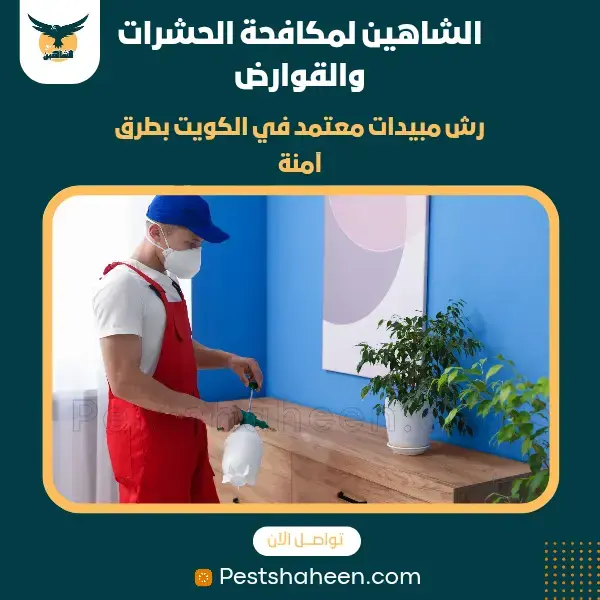
Pest spraying for non-food goods warehouses in Kuwait requires an actual inspection before defining the treatment scope because the presence of insects among stored goods does not mean the entire warehouse requires the same procedure. A warehouse may contain sealed cartons, exposed products, metal shelving, wood, textiles, and loading areas, and each section needs to be handled differently according to the insect species and the location of its activity.
If several cockroaches appear near a rear door or loading zone, priority should be given to inspecting edges, gaps, the door surroundings, and nearby cartons instead of spraying every storage row. If insects appear inside textile goods or particular packages, the goods themselves need to be assessed to determine whether the infestation is connected to the shipment or developed inside the warehouse after arrival.
One mistake is for a worker to see an insect and directly spray commercial products over cartons or clothing without knowing whether the substance is suitable for those surfaces. Some goods may be affected by stains, moisture, or odors, so treatment should be directed toward approved locations while protecting products from unnecessary exposure.
In a realistic situation, a warehouse manager may notice insects for the first time while moving an older row of cartons. Instead of immediately transferring those cartons to another section, the suspected group should be separated and the area beneath and around it inspected to determine whether the insects are hiding within the cardboard itself or entering through a crack in the wall.
Warehouse organization also makes a major difference. Clear aisles and enough space to inspect storage edges and lower sections make it easier to define infestation boundaries than in a warehouse where goods are tightly packed and rear rows cannot be accessed.
• When an infestation appears the first location where insects were observed should be identified and the surrounding goods inspected before spraying is expanded so unaffected areas of the warehouse are not treated unnecessarily
• Goods that may be affected by moisture or odors or chemical products need protection before any spraying takes place and treatment should follow product instructions rather than being directed over stored stock
• Organizing aisles and maintaining access to row edges and areas beneath storage helps reveal concealed locations and allows the extent of the infestation to be evaluated more accurately before goods are moved or additional areas are treated
Warehouse Spraying Company for Clothing in Kuwait
Choosing a warehouse spraying company for clothing in Kuwait requires attention to the type of goods before deciding on a control method because clothing and textiles are different from the hard surfaces found in other warehouses. The objective should not be to bring in a company that sprays every shelf indiscriminately, but to use a service that first identifies the pest and determines whether activity is around cartons, inside particular items, or near walls and receiving areas.
Clothing warehouses may contain insects that have nothing to do with the clothing itself, such as cockroaches or insects entering with shipping cartons and through loading zones. In other situations, the suspected activity may involve insects that feed on certain fibers or materials present on textiles. For that reason, identifying the pest is extremely important before deciding whether the warehouse should be sprayed or whether a particular shipment should be removed for further inspection.
If an employee notices a small damaged area on a garment, it should not immediately be assumed that insects caused it. Damage may result from storage conditions, friction, or another factor. The item and nearby products should be inspected for evidence supporting insect activity before treating the entire warehouse as affected.
A practical scenario would be a clothing company receiving a new shipment and then noticing small insects around only a few specific cartons several days later. The important information is that the activity is linked to a particular area and shipment. The suspicious cartons should be separated and the area inspected before they are mixed with older stock rather than spraying the whole warehouse and removing evidence that could help identify the source.
Before any treatment is performed, the pest control company should know the type of fabrics, how they are packaged, and whether the products are stored in cartons, bags, or on hanging racks. These details help protect the clothing and identify locations that genuinely require intervention.
You can contact Shaheen Pest Control to inquire about services for clothing warehouses in Kuwait and explain the type of goods, where insects have appeared, and the storage arrangement before determining an appropriate treatment scope.
• A suitable pest control company should first identify the insect species and determine whether it is actually associated with clothing or shipping cartons so every pest inside the warehouse is not incorrectly treated as a textile infestation
• If signs are concentrated around a new shipment separating suspicious cartons and inspecting the surrounding area is more useful than mixing them with existing stock and trying to identify the source after the goods have been distributed throughout the warehouse
• Understanding fabric types and packaging and stock arrangement before spraying helps select a treatment that protects goods from direct exposure and reduces the possibility of stains or unwanted effects on products
Pest Control in Furniture Warehouses
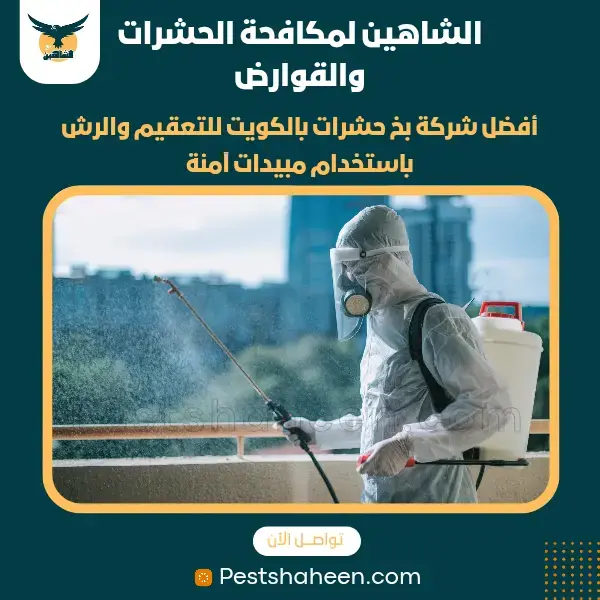
Pest control in furniture warehouses requires understanding the furniture types and materials present because a warehouse may contain wood, fabrics, foam, cartons, and wrapping materials, and each material provides different hiding possibilities. For that reason, seeing an insect beneath a sofa does not automatically mean the furniture itself is internally infested.
The first step is to inspect the floor beneath the item, the rear wall, packaging materials, and nearby cartons, and then examine the furniture according to the signs found. If the activity involves cockroaches, the cause may be a dark space between items or an area close to a loading door. If there is visible damage to wood, the situation requires more precise diagnosis because holes or wood dust should not be interpreted randomly without identifying the insect involved.
One mistake is immediately moving a suspicious piece of furniture to another row simply to clean the original area. If insects are hiding inside the wrapping or furniture itself, moving it may expand the problem. It is better to identify the item and place it in a suitable area for inspection or temporarily isolate it according to the situation before rearranging the remaining stock.
For example, pest activity may appear around a group of sofas positioned at the edge of a warehouse near the loading door while items in the center show no signs. In that case, door movement, incoming cartons, and the rear area should be reviewed instead of deciding to spray all furniture in the same way.
Furniture wrapped in plastic also needs to be inspected in accessible areas without unnecessarily damaging the wrapping. Opening every item without a clear reason is not appropriate because the goal is to define infestation boundaries with the least possible disturbance.
Furniture warehouse treatment is stronger when inspection is combined with spacing, removal of unused packaging, cleaning of concealed areas, and review of possible entry points instead of relying on pesticide alone.
• Furniture suspected of infestation should not be moved randomly between warehouse rows before evaluation because transferring an item that contains insects or affected wrapping materials may move the problem into an area that was previously free of activity
• Finding an insect beneath a piece of furniture does not prove that the item itself is internally infested so the floor and wall and wrapping materials and surrounding areas should be inspected before furniture is treated directly
• Maintaining spaces that allow the sides of furniture to be inspected and removing unused cartons and wrapping materials reduces hiding areas and allows new activity to be detected faster than tightly packed storage that conceals rear sections
Pest Control in Carton Warehouses
Pest control in carton warehouses requires attention to how packages are arranged and how shipments move because cardboard creates narrow spaces and dark areas where some insects may hide, especially when boxes remain in the same location for long periods. The issue is not the cardboard material alone but the accumulation of boxes, restricted access to rear areas and between rows, and the buildup of dust or moisture beneath stored items.
If insects appear among cartons in one particular row, those cartons should not immediately be dispersed throughout the warehouse simply to make cleaning easier. The suspected group should first be identified, and the outside of the cartons, the areas touching them, the floor, and the nearby wall should all be inspected. This helps determine whether the activity is linked to particular boxes or to the storage location itself.
The source of the cartons should also be considered. Shipments arriving from different suppliers or external storage facilities may carry insects hidden between layers or inside gaps. Inspecting a shipment when it arrives is much easier than trying to identify the source after hundreds of cartons have been distributed throughout the warehouse.
One mistake is keeping empty cartons unnecessarily for long periods. Old and damaged boxes may increase clutter and create spaces that are not moved or cleaned easily. Removing unused cardboard and organizing a separate disposal area makes the warehouse clearer and easier to monitor.
Moisture must also be part of the assessment. If there is a nearby leak or water has reached some cartons, the underlying cause should be addressed first because dampness may damage packaging and make it more difficult to maintain an organized storage environment.
If some cartons contain goods that are sensitive to spraying, the selected pest control method should protect the contents rather than depending on saturating the outside of the boxes with pesticide.
• Cartons showing surrounding pest activity should be identified and the floor and wall and nearby area inspected before they are moved so insects are not transferred to other rows while the warehouse is being reorganized
• Inspecting shipments when they arrive reduces the possibility of introducing cartons carrying pest activity into the main storage area and makes it easier to isolate a suspicious group before it mixes with existing stock
• Removing empty and damaged cartons regularly reduces clutter and neglected spaces and makes aisles and floors easier to access during inspection and cleaning and follow-up
Cockroach Control in Goods Warehouses

Cockroach control in goods warehouses begins by identifying locations that provide shelter rather than simply searching for the cockroach moving through an aisle. Warehouses contain shelving, cartons, loading pallets, utility rooms, rear doors, and low-traffic areas, and each may require a different type of inspection depending on where activity is being observed.
If cockroaches repeatedly appear near a utility room or employee bathroom, priority should be given to reviewing moisture, drains, and openings around utility connections. If activity appears between storage rows, cartons, areas beneath pallets, and gaps along walls should be examined to determine whether insects are using those locations as hiding places.
In large warehouses, cockroach activity may be more obvious at night or after employee movement has stopped. Recording the time when insects are observed therefore provides useful information rather than depending on a single inspection during busy daytime hours.
One mistake is allowing workers to use household insect sprays every time a cockroach is seen between stored goods. This approach may cause activity to disperse into other locations and expose products to substances not selected for the nature of the warehouse. The better approach is to record the location and leave treatment to a defined pest control plan.
Goods stacked directly on the floor or tightly against walls also make inspection more difficult. Organizing storage so floors and edges can be seen and rear areas reached makes it easier to detect signs and monitor points where cockroach activity was previously recorded.
If activity returns after treatment, the source should be reviewed. There may be a small leak, crack, door that does not close properly, or cartons arriving from another area. Repeating the same spraying procedure without reassessing the cause provides little new information.
• Cockroaches appearing near utility rooms or moisture sources require inspection of drains and service connections and openings before treatment is selected because the cause may be outside the storage rows themselves
• Recording the time when cockroaches appear and the nearby aisle or shelf helps create a clearer picture of movement patterns and identifies the locations that need monitoring instead of spraying the entire warehouse generally
• Storing goods in a way that allows floors and walls to be inspected reduces hidden areas and makes treatment results easier to evaluate than tightly packed stock that prevents access to rear points
Eliminating Insects Between Storage Cartons
Eliminating insects between storage cartons requires an organized approach because randomly moving boxes may spread the problem instead of solving it. The first step is to identify the cartons around which insects appeared and review how close they are to a wall, door, or utility opening, followed by inspection of neighboring boxes before the row is rearranged.
If insects are present only on the outside of the cartons, the surrounding environment should be examined for the source. If they are found inside the package or between wrapping layers, the goods themselves need to be assessed to determine whether the case is connected to the shipment. This distinction is important because treating the floor will not be enough when the activity source is inside packaging.
It is also useful to review how old the cartons are and when they entered the warehouse. If the problem is concentrated in an older shipment stored for a long period while newer deliveries remain unaffected, stock arrangement or storage duration may be contributing factors.
When suspicious cartons are moved, they should not be placed directly beside unaffected stock. A suitable area should be allocated for inspection and temporary isolation according to the warehouse setup until the required action has been determined.
Cleaning the area after cartons are lifted is also important because areas beneath storage may contain dead insects, residues, or dust that conceal new activity. The objective is to return the area to a condition where fresh signs can be noticed easily after treatment.
If an infestation has spread across more than one row, the solution is not to empty the entire warehouse at once without a plan. It is better to divide the work into defined sections so suspicious goods remain separate from areas where no activity has been recorded.
• Suspicious cartons should be separated from unaffected stock during inspection so the movement process itself does not transfer insects from one limited row into a larger part of the warehouse
• Determining whether an insect is present on the carton surface or inside the packaging helps establish whether the problem comes from the storage environment or the goods and shipment themselves and changes the response completely
• Cleaning the floor and wall after cartons are lifted provides a fresh monitoring surface and prevents old dust and residues from hiding the signs that show whether pest activity has returned after treatment
Treating Pest Infestations in Commercial Warehouses
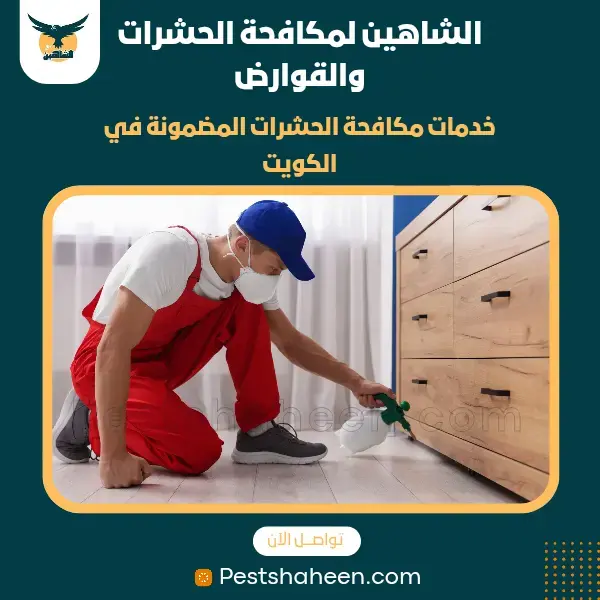
Treating pest infestations in commercial warehouses begins by defining what widespread activity actually means. Insects appearing at several nearby points are different from the same species appearing in widely separated sections of the warehouse. The first situation may have one local source while the second requires broader review of goods movement, doors, loading operations, and utility areas.
If the infestation is clearly present in more than one aisle, the affected locations should be mapped before comprehensive spraying begins. Shelves or rows should be recorded, and the type of goods in each location and their arrival dates should be compared. Sometimes this reveals that all affected locations contain goods from the same source, which changes the entire direction of the inspection.
Cleaning and storage patterns should also be reviewed. A commercial warehouse with rapidly moving stock has different risk conditions from a storage facility where products remain untouched for long periods. Older goods and low-traffic areas need additional attention because they are not exposed to daily observation like major loading routes.
Stored goods should be protected before any large-scale treatment. Not every product can tolerate the same application method, and some may be sensitive to moisture, odors, or chemicals. The warehouse should therefore be divided into sections and the treatment method selected according to the nature of the products in each area.
If insects are entering from outside, doors, gaps, and receiving areas need to be part of the treatment plan. If infestation is associated with incoming goods, priority should shift toward inspection and isolation before new shipments enter storage.
After the infestation is brought under control, a separate monitoring stage begins. Areas that previously showed the highest activity should be inspected and compared with unaffected sections to determine whether the problem is actually decreasing or has simply moved elsewhere.
• Pest activity across several aisles requires a clear map of observation locations and goods types and shipment dates so a common factor can be identified instead of treating each point as a completely separate infestation
• Dividing the warehouse into treatment zones protects unaffected goods and allows the procedure to be adjusted to the nature of each product instead of applying the same spraying method across all stock
• Follow-up after controlling a widespread infestation is essential because it shows whether activity has disappeared from previous locations or moved into new rows and allows the plan to be adjusted before the problem becomes large again
Pest Inspection in Stored Goods
Pest inspection in stored goods does not mean opening every box in the warehouse because that approach is impractical and may create damage or disorder without providing useful information. Inspection begins with clear indicators such as where insects were observed, the condition of packaging, the type of goods, shipment date, and any unusual signs around the storage row.
Torn or open cartons and packages with visible damage need greater attention than intact packaging. Goods stored close to a cracked wall, loading door, or location where pest activity was previously recorded should also receive higher priority.
In clothing and textile warehouses, areas where insects may gather between folds or inside packaging should be examined according to the suspected pest without randomly opening every individual item. Furniture should be checked around wrapping, lower surfaces, and nearby gaps before deciding that the item itself is infested.
It is important to distinguish between old evidence and current activity. Finding a dead insect or old damage does not by itself prove that the infestation is still active. New signs should be sought and compared with earlier records when available.
Shipment data can also be extremely useful. Knowing the receiving date, supplier, and original storage location allows management to identify whether one particular group deserves broader inspection.
If an insect is found inside a sealed product, the unit should be isolated and related samples from the same batch examined according to the nature of the goods rather than immediately assuming the entire warehouse is infested.
• Inspection of stored goods should be directed according to signs and location and shipment date so attention is focused on products with the highest likelihood of being affected instead of opening and dismantling the entire stock without a clear reason
• Distinguishing between old evidence and new activity prevents excessive decisions such as isolating large quantities of goods based on a sign that does not prove the infestation is currently active
• Recording the supplier and shipment entry date and storage location helps trace recurring cases and allows decisions about expanding the inspection to be based on real information about goods movement
Cost of Spraying a Goods Warehouse Against Insects
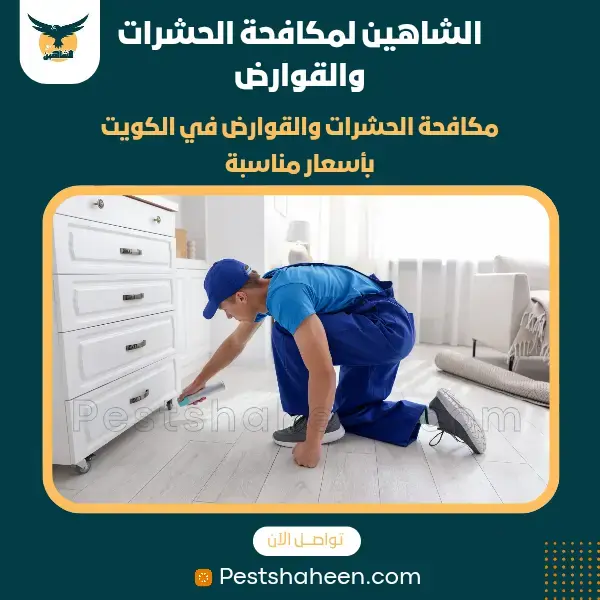
The cost of spraying a goods warehouse against insects varies according to warehouse size, the nature of stored products, the pest species, the size of the affected area, and the treatment method required. A small warehouse with limited activity near a loading door is not the same as a large facility where infestation appears across several rows and among different types of goods.
The type of products also affects the scope of work. Clothing and textiles require different precautions from furniture, spare parts, or plastic boxes because goods need to be protected differently according to material and packaging.
The amount of stock is another factor affecting the price. A large but nearly empty warehouse may be easier to access than a smaller facility crowded with goods and lacking aisles that allow walls and storage edges to be inspected.
If an infestation requires more than one visit or follow-up after treatment, this also becomes part of the service scope. Some cases are limited and may require treatment of one section, while more widespread activity may require work to be divided into stages and results reviewed over time.
Before requesting a price, it is better to provide clear information about warehouse size, the type of goods, the number of rows or shelves, where insects were observed, and whether the problem appeared after a particular shipment. These details allow the service proposal to reflect the actual situation.
When comparing quotations, the final figure should not be the only consideration. It is better to know whether the price includes inspection, follow-up, external or loading areas, and whether moving or covering certain goods is the client's responsibility or included in the work.
• Service cost is determined by warehouse size and goods type and infestation scope and the difficulty of accessing affected locations so accurate pricing requires a realistic description of warehouse conditions rather than only the total floor area
• A crowded warehouse may require more inspection and preparation time than a larger but well-organized facility which means stock arrangement is a practical factor when defining the required scope of work
• Comparing quotations should include inspection and follow-up and covered areas and goods preparation requirements so the cheapest offer does not exclude an essential service that later creates additional costs
Pest Control in Textile Warehouses in Kuwait
Pest control in textile warehouses in Kuwait requires attention to the material type and storage method because textiles may be stored in rolls, bags, cartons, or open shelving, and each arrangement conceals insects differently. For that reason, the warehouse should not be treated as simply a space where floors and walls need to be sprayed.
If damage appears on certain textiles, the first step is to confirm that insects are actually responsible. Holes or deterioration may result from friction, poor storage, or moisture, so the item and its surroundings need to be inspected for insects, larvae, or residues that support the diagnosis.
If activity is concentrated in older fabric rolls stored at the rear of the warehouse, storage duration and surrounding goods movement should be reviewed rather than assuming all textiles are affected. Stock that remains untouched for long periods requires a different inspection approach because it receives less daily observation.
Keeping the area dry and preventing leaks is also important because moisture may damage the textiles themselves and create poor storage conditions even when it is not the direct cause of insect activity.
Outer cartons and bags also need inspection because they may be the point through which insects entered rather than the fabric itself. If a new shipment is received and pest activity appears afterward, separating and reviewing its packaging becomes an important step.
Directly spraying fabrics should not be an automatic decision because the product type, textile color, and packaging method may be affected. Treatment should be selected according to the pest species and activity location and applied according to product instructions while protecting goods from unnecessary exposure.
After treatment, it is useful to rearrange rolls or cartons in a way that allows future inspection and avoids leaving stock tightly packed for long periods without access.
• Holes or damage in textiles are not sufficient evidence of insect infestation and the item and surrounding area should be inspected for actual signs before deciding to spray or isolate a large quantity of stock
• Fabric rolls and older cartons that remain undisturbed for long periods need routine inspection because they receive less daily movement and may conceal pest activity longer than fast-moving goods
• Protecting textiles from unsuitable direct pesticide application is essential and treatment should be selected according to the insect species and its location and the way fabrics are packaged so the goods are not damaged during infestation treatment
Conclusion
Pest control for non-food goods warehouses in Kuwait when an infestation appears requires diagnosis and organization before any large-scale treatment. The type of goods, the first location where the insect was noticed, storage arrangement, and shipment movement all help determine whether the problem is limited to one group of cartons, connected to one area of the warehouse, or requires broader inspection.
Clothing and textile warehouses require protection of materials from unsuitable treatment, while furniture warehouses need inspection of wrapping, lower surfaces, and areas surrounding stored pieces. Carton warehouses require better organization to reduce clutter and maintain access to rows and walls.
You can contact Shaheen Pest Control to inquire about services for commercial warehouses in Kuwait and explain the type of goods, warehouse size, and where the infestation has appeared. The strongest plan is one that treats the actual source, protects the stored goods, and monitors affected points instead of spraying all stock indiscriminately.
Frequently Asked Questions
Does seeing one insect inside a goods warehouse mean the entire warehouse needs spraying?
No. The insect may have entered through a loading door or may be associated with a particular carton or shipment. The better approach is to identify where it was seen and inspect the surrounding area and nearby goods before deciding on the treatment scope.
Can clothing and textiles be sprayed directly with pesticide?
Not indiscriminately because certain materials may be affected by staining, moisture, or ingredients in the product being used. The insect and its location should first be identified and an appropriate treatment selected according to the product instructions while protecting the goods.
Do cartons attract insects?
Accumulated cartons provide narrow spaces and low-traffic areas that some insects may use as shelter, particularly when the boxes remain in place for long periods or when the storage area is crowded and difficult to clean.
What should we do if insects appear after a new shipment arrives?
The suspicious shipment should be separated from unaffected stock, its packaging and surrounding area inspected, and shipment details recorded before the goods are distributed throughout the warehouse.
Does moving infested goods to another area solve the problem?
No. It may transfer insects to a new part of the warehouse. Suspected goods should be isolated in an organized way and inspected before they are redistributed.
How can we tell whether furniture itself is infested or insects are only around it?
The area beneath the item, wrapping materials, nearby wall, and surrounding floor should be inspected first, followed by examination of the furniture itself according to the signs present before deciding that the infestation is inside the item.
Are cockroaches in a warehouse always caused by poor cleanliness?
Not necessarily. Moisture, openings, doors, utility areas, and incoming cartons may all contribute even when the warehouse is cleaned regularly.
How much does it cost to spray a goods warehouse against insects?
There is no fixed price because cost varies according to warehouse size, type of goods, infestation extent, accessibility, number of required visits, and the service scope.
Does the entire warehouse have to be emptied before spraying?
Not in every case. This depends on the pest species, treatment method, and the nature of the stored goods. Some situations may require only certain sections to be moved or covered rather than completely emptying the warehouse.
When should the warehouse be inspected again after treatment?
Follow-up timing depends on the pest species and the treatment method, but affected points should be reviewed and compared with their previous condition to confirm that activity is decreasing and has not moved into other areas.
 Contact Us on WhatsApp